
How To
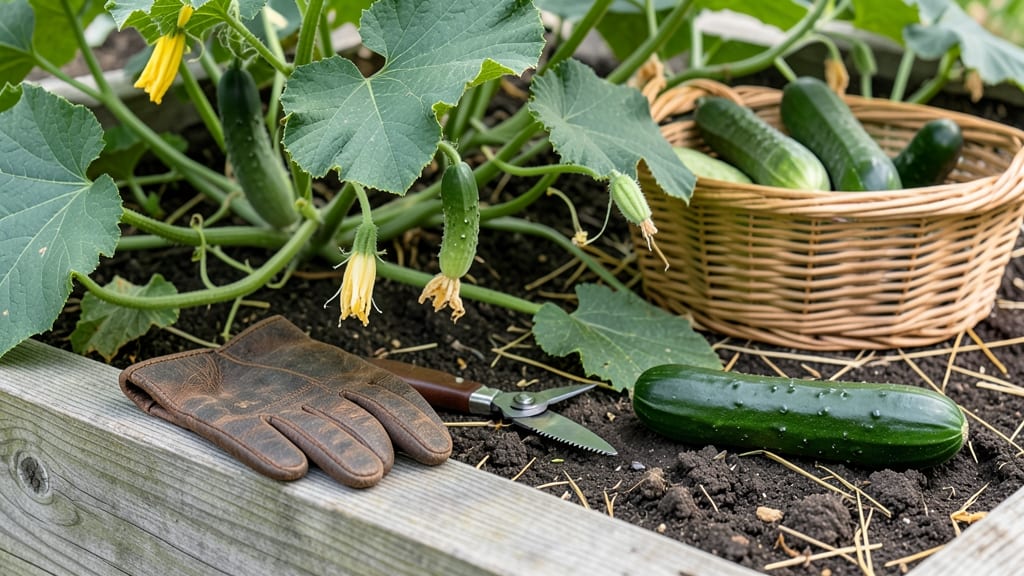
How to know when a cucumber is ready to pick can mean the difference between a garden full of crisp, flavorful 🥒 and bitter, overripe disappointments. One wrong move, and you might end up with cucumbers that are either too small and seedy or tough and flavorless.
I’ve made that mistake more times than I’d like to admit—until I learned the 3 simple checks that take the guesswork out of harvesting. Whether you’re growing slicing cucumbers for salads or pickling varieties for jars, these visual cues will help you pick at the perfect moment.
From size and color clues to texture tests, I’ll walk you through exactly what to look for so you never miss the window again. No more second-guessing—just confidently plucking cucumbers when they’re at their peak.
Ready to turn your garden into a steady supply of fresh, homegrown 🥒? Let’s dive into the signs that tell you it’s time to harvest—and how to keep your plants producing all season long.
3 Key visual cues to identify perfectly ripe cucumbers
Mastering the art of picking cucumbers at their peak means paying close attention to three simple but critical visual cues: size, color, and texture.
These indicators vary slightly depending on whether you're growing slicing cucumbers or pickling varieties, so let's break down what to look for in each category.
For slicing cucumbers, the ideal size typically falls between 6 to 8 inches in length. These cucumbers should feel firm but not rock-hard when gently squeezed, with a smooth, even surface. The skin should have developed its full mature color, whether that's green, yellow, or another variety-specific hue.
Many gardeners make the mistake of waiting too long, thinking bigger means better. But overripe cucumbers often develop a mealy texture and bitter flavor. The key is to harvest them just before they reach their maximum size for the variety—this ensures the best balance of sweetness and crunch.
Now let's look at what to watch for across different cucumber types, because pickling cucumbers and slicing cucumbers have distinct readiness markers. The comparison table below will help you visualize these differences at a glance.
The stem test is one of my favorite tricks for determining ripeness. When you're ready to pick, gently twist the cucumber at the stem. If it snaps cleanly from the vine, that's your cue to harvest.
This separation indicates the cucumber has reached its ideal maturity and won't continue to grow once picked.
Another pro tip: check the blossom end (the end opposite the stem). For perfectly ripe cucumbers, this area should be smooth and free of bumps. If you notice small yellow flowers or bumps forming, the cucumber has passed its prime and is starting to overripen.
Don't forget about aroma—a ripe cucumber should have a fresh, slightly sweet scent near the stem. If it smells dull or musty, it's time to pass on that cucumber. This sensory cue is often overlooked but can be a game-changer for identifying perfectly ripe specimens.
One common mistake I see in gardens is harvesting cucumbers based solely on size. While size is important, it's not the only factor. A 7-inch cucumber that's pale and firm might still be underripe, while a 5-inch cucumber with deep color and slight softness could be perfect for eating.
For yellow cucumbers like the 'Lemon Cucumber' variety, look for a bright, golden hue rather than green. These varieties are typically harvested when they reach about 4 to 6 inches in length and develop their characteristic yellow color. The skin should be smooth and slightly waxy to the touch.
Remember that pickling cucumbers should be harvested smaller and firmer than slicing varieties. Their skin should be thin and tender, making them ideal for preserving. If you wait too long, their texture becomes too tough for proper pickling.
By mastering these three visual cues—size, color, and texture—you'll be able to pick cucumbers at their peak flavor and quality every time, ensuring a bountiful harvest all season long. 🥒
3 Key visual cues to identify perfectly ripe cucumbers
Mastering the art of picking cucumbers at peak ripeness starts with understanding three essential visual cues: size, color, and texture. Each cue varies slightly depending on whether you're growing slicing varieties (like Marketmore) or pickling types (like Boston Pickling).
Ignoring these signals often leads to harvesting too early—resulting in bland flavor—or too late, when cucumbers become seedy and bitter.
For slicing cucumbers, aim for a length of 6-8 inches with a diameter of about 2 inches. These varieties develop a deep green skin that feels firm but yields slightly when pressed.
The skin should also show a smooth, even texture without bumps or soft spots, which indicate overripeness or pest damage.
| Cue | Slicing Varieties | Pickling Varieties |
|---|---|---|
| Size | 6-8" long, 2" diameter | 2-3" long, 1" diameter |
| Color | Deep, glossy green | Bright green, sometimes yellow |
| Texture | Firm with slight give | Crisp, no soft spots |
| Stem | Separates cleanly | Pulls away easily |
One common mistake is harvesting cucumbers based on color alone. While ripe cucumbers should be uniformly deep green, pale or yellowing spots signal overripeness.
Pay attention to the stem end—it should separate cleanly from the vine, indicating the cucumber is ready. If it resists, wait another day or two.
For pickling cucumbers, timing is even more critical. These varieties should be harvested when they're 2-3 inches long and still firm. Their skin may appear slightly shinier and brighter than slicing types, and they often develop a sweet, fresh aroma near the stem.
Waiting too long turns them bitter and unsuitable for pickling.
Pro tip: Check your cucumbers every 2-3 days during peak production. Morning is the best time to harvest, as the cool temperatures help preserve their crispness. Use a sharp knife or pruners to avoid damaging the vine, which can reduce future yields.
If you miss the window and end up with cucumbers that are too large or soft, don’t toss them! These can still be used in cooked dishes or fermented for pickles. The key is to act quickly—ripe cucumbers spoil faster than underripe ones.