
How To
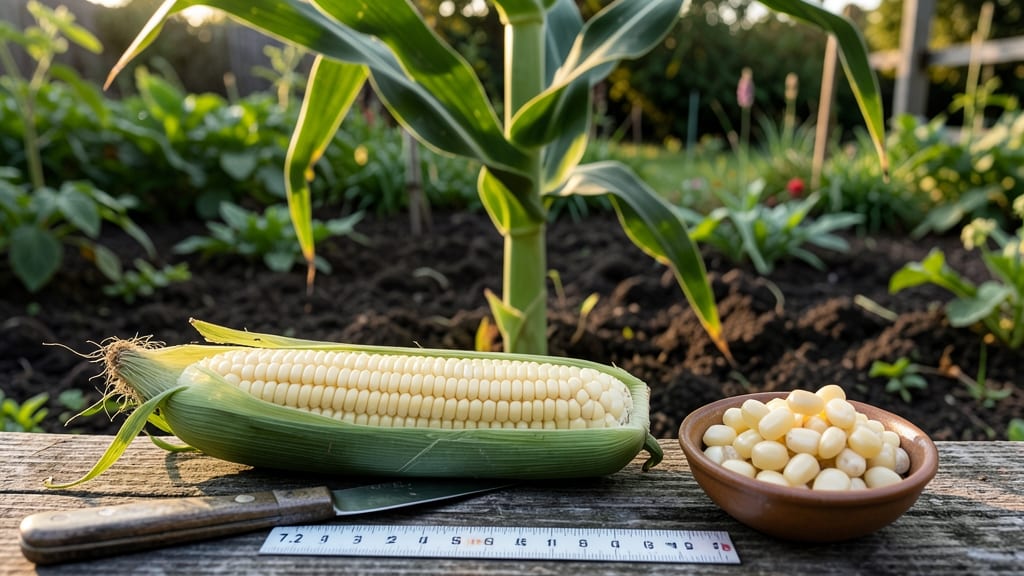
How to know when sweet corn is ready to harvest can turn a disappointing mouthful into a burst of summer sweetness—but most gardeners miss the window by days. The difference between buttery perfection and tough, starchy disappointment often comes down to timing, and I’ve learned the 3 simple tests that never fail me.
Picture this: you’ve waited all season, and now your corn plants are towering over your garden. But how do you know if those ears are ready to pick? The answer lies in subtle clues—drying silks, plump kernels, and that perfect firmness when you squeeze.
I’ll walk you through each step so you can confidently harvest at peak flavor, no guesswork required.
Whether you’re a first-time grower or a seasoned pro, these methods work for USDA Zone 6a gardens and beyond. From the milk stage to avoiding the dreaded "doughy" phase, you’ll learn exactly what to look for and when to act.
Let’s make sure your harvest is as sweet as the effort you’ve put in.
Ready to go from uncertain to confident? By the end, you’ll be picking corn at the perfect moment—every time. Your taste buds (and dinner guests) will thank you.

3 Proven tests to determine sweet corn ripeness
Sweet corn reaches its peak flavor at a very specific moment—missing it by even a day can turn that sweet, buttery goodness into tough, starchy disappointment. The good news?
Three simple tests will tell you exactly when to harvest for maximum sweetness. I’ve used these methods for years in my garden, and they never fail.
First, let’s talk about the silk color. When the silks (those long, thread-like strands) emerge, they’re bright green and moist. But as the corn matures, they dry out and turn brown and crispy.
This change signals the corn is nearing readiness—but don’t rush just yet. Wait until the silks are completely dry and brittle before proceeding.
🌽 Numbered Highlights Visual Element 🌽
- 🌿 Silk Test: Silks should be dry, brown, and brittle—not green or moist. Snap a silk between your fingers; if it breaks easily, it’s ready.
- 🌽 Kernel Milk Test: Pierce a kernel with your thumbnail. If it releases milky white liquid (not clear or yellow), it’s at peak sweetness. Clear = underripe; yellow = overripe.
- ✂️ Thumb Pressure Test: Gently squeeze the ear near the tip. It should feel firm but not hard. A soft or mushy ear means it’s past its prime.
The kernel milk test is my favorite trick because it gives you an instant answer. Cut open an ear lengthwise and check the kernels: they should be plump, milky white, and slightly translucent at the edges.
If they’re still clear or hard, give them a few more days. But if they’ve turned yellow or hard, you’ve waited too long.
Don’t overlook the thumb pressure test, either. A ripe ear of corn should feel firm but not rock-hard when you gently squeeze it. If it’s soft or mushy, it’s overripe. This test is especially useful in hot weather, when corn can ripen quickly and become starchy faster than usual.
One common mistake I see in home gardens is relying solely on the days-to-maturity label on seed packets. While these labels give you a general timeline (usually 60–90 days for most varieties), they’re not foolproof.
Weather, soil quality, and even your local microclimate can shift that window by weeks. That’s why combining these three tests is the best approach.
For supersweet varieties (like Ambrosia or Peaches & Cream), the kernel test is even more critical. These types contain higher natural sugars, so they can go from perfect to overly sweet in just 24–48 hours.
If you’re growing them, check the kernels daily during the final week of ripening.
Finally, pay attention to the husk. A ripe ear’s husk should pull back easily, revealing fully developed kernels. If the husk resists or the kernels are still small, the corn needs more time.
And here’s a little secret: the ear at the bottom of the plant (closest to the ground) often ripens first, so start checking there first.
Mastering these tests takes practice, but once you get the hang of it, you’ll always know exactly when to pick your sweet corn for that perfect, buttery texture and sweet flavor we all love. Trust me, your taste buds will thank you!
3 Proven tests to determine sweet corn ripeness
Sweet corn reaches peak flavor when harvested at the right moment—too early, and it’s underdeveloped; too late, and it turns starchy. The key is knowing three telltale signs that reveal when your ears are ready.
First, focus on the silks: they should turn from bright green to tan or brown, signaling pollination success. This usually happens 12-18 days after tasseling, but weather can shift that window.
Next, check the husks. When ripe, they’ll pull back easily from the ear, revealing fully formed kernels. If they resist or feel loose, the corn isn’t ready yet. This simple test saves you from cutting into unripe ears—no one wants hard, pale kernels that lack sweetness.
Pair this with the kernel milk test, the most reliable indicator of ripeness.
🌽 3 Tests for Perfect Sweet Corn
The kernel milk test is your secret weapon. Pierce a kernel with your thumbnail—if a milky white liquid oozes out, you’ve hit the sweet spot. This stage, called the milk stage, is when sugars peak.
If the kernel is clear or hard, it’s past its prime and starting to starch. Pro tip: Test multiple ears since ripeness varies by plant.
Finally, use the thumb pressure test for a quick sanity check. Gently squeeze the ear: it should feel firm but slightly yielding, like a ripe avocado. If it’s rock-hard, it’s underripe; if it’s soft or mushy, it’s overripe.
This tactile cue works even when you’re harvesting in low light or wearing gloves—no tools required.
Timing matters too. Harvest in the morning after a cool night to lock in sweetness. Heat during the day can convert sugars to starch, so avoid picking mid-afternoon.
And if you’re growing supersweet varieties, act fast—their sugars degrade even quicker than standard corn. Once you master these tests, you’ll never guess again!
For consistency, mark your planting date and track days to maturity. Most sweet corn varieties take 60-90 days to harvest, but supersweets often ripen in 70-80 days. Combine this with the silk, kernel, and thumb tests, and you’ll enjoy homegrown sweetness every time. 🌽