
How To
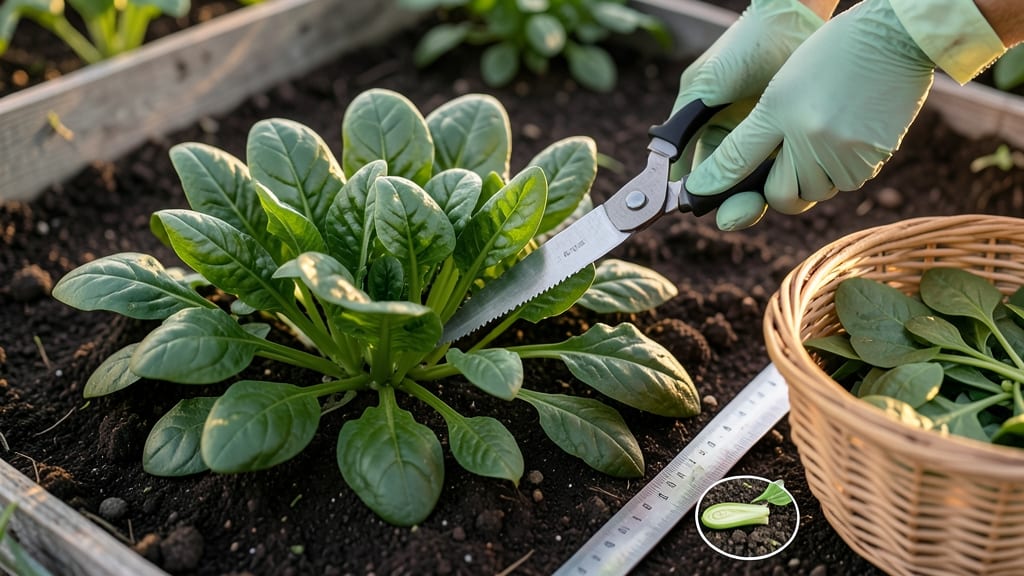
Knowing how to know when to harvest spinach can mean the difference between tender, vibrant greens and bitter, tough leaves that ruin your meal. That perfect moment—when your 🍃 spinach is ready—is easier to spot than you think, and missing it means sacrificing flavor and texture.
Most gardeners overlook the subtle cues that signal harvest time, like leaf size or crispness. I’ve learned that waiting too long turns your spinach into a sad, woody mess, while picking too early leaves you with tiny, underdeveloped leaves.
The key is balancing these factors with seasonal timing, especially in USDA Zone 6a, where spring and fall harvests demand extra attention.
Ready to master the art of harvesting? You’ll discover how to check leaf firmness, spot the ideal size, and even taste-test for bitterness before cutting. These simple tricks will ensure your spinach stays fresh, flavorful, and ready for your next salad or stir-fry.
Whether you’re a beginner or a seasoned gardener, these insights will help you avoid common mistakes and keep your spinach thriving. Let’s dive into the exact signs that tell you it’s time to harvest—before your crop bolts or turns to mush.

Spinach leaf size and growth stage indicators for optimal harvest
Harvesting spinach at the right time ensures tender leaves with peak flavor and nutritional value. The key lies in understanding your spinach’s growth stages and leaf development.
Unlike many vegetables, spinach offers a rolling harvest window, meaning you can pick leaves as they mature without waiting for the entire plant to ripen.
Young spinach leaves, often called baby leaves, are the most tender and delicate. These can be harvested just 30 days after planting, when they reach about 2-3 inches long.
Baby leaves are perfect for salads and garnishes, offering a mild, sweet flavor that’s less bitter than mature leaves. If you’re growing spinach for smoothies or cooking, you’ll want to wait slightly longer.
For full-sized spinach, aim to harvest when the outer leaves reach 4-6 inches in length. At this stage, the leaves should be fully unfurled and deep green in color. The plant’s height will typically range between 6-12 inches tall, depending on the variety.
This is the ideal window for harvesting mature leaves, which are thicker and heartier, perfect for sautéing or blending into soups.
Here’s a quick visual guide to help you gauge readiness:
| Growth Stage | Leaf Size | Plant Height | Harvest Tip |
|---|---|---|---|
| Baby Leaves | 2-3 inches | 3-6 inches | Harvest outer leaves first; regrowth continues. |
| Mature Leaves | 4-6 inches | 6-12 inches | Cut entire outer leaves; leave inner leaves to grow. |
| Overmature | 6+ inches, tough | 12+ inches | Avoid; leaves become bitter and woody. |
One of the most critical harvesting cues is the plant’s growth habit. Spinach grows in a rosette pattern, meaning the outer leaves mature first while the inner leaves remain tender.
This allows for a continuous harvest—simply snip the outer leaves and leave the inner growth to develop. This method encourages the plant to produce more leaves, extending your harvest season.
Pay attention to the color and texture of the leaves. Ready-to-harvest spinach should have a vibrant green hue with no signs of yellowing or browning. The leaves should feel crisp and firm to the touch, not limp or rubbery.
If you notice yellowing edges or wrinkled leaves, it may be a sign of overmaturity or stress, which can make the spinach bitter or tough.
Seasonal timing also plays a role in determining harvest readiness. In spring and fall, when temperatures are cooler, spinach grows more slowly, and leaves may take slightly longer to reach harvest size.
Conversely, in late summer or early autumn, warmer temperatures can accelerate growth, so monitor your plants closely to avoid bolting (when the plant sends up a flower stalk). Bolting spinach becomes bitter and stringy, making it unsuitable for fresh eating.
For baby spinach varieties, such as Baby’s Leaf Hybrid or Tinda, you can start harvesting as early as 25-30 days after sowing. These varieties are bred specifically for quick turnover and tender leaves, making them ideal for cut-and-come-again harvesting.
Simply snip the leaves with a clean pair of scissors or your fingers, leaving at least 1-2 inches of growth to encourage regrowth.
If you’re growing larger varieties, like Bloomsdale Long Standing or Giant Winter, wait until the leaves are fully unfurled and deep green. These varieties are better suited for cooking or freezing due to their thicker texture.
Harvest these leaves when they reach 5-7 inches in length, cutting them at the base of the stem to allow the plant to produce more leaves.
Remember, harvesting frequency affects regrowth. If you harvest too aggressively, you risk stunting the plant or causing it to bolt prematurely. Aim to harvest no more than one-third of the plant at a time, and always leave the central growth point intact.
This ensures your spinach continues to produce tender, flavorful leaves for weeks to come.
Spinach leaf size and growth stage indicators for optimal harvest
Harvesting spinach at the right time ensures tender, flavorful leaves instead of tough, bitter ones. The key is watching for leaf size and growth stage cues that signal readiness.
Baby spinach leaves, often 2-4 inches long, are perfect for early harvests, while mature leaves reach 4-6 inches—the ideal size for full flavor.
For baby leaf spinach, you can start harvesting as early as 30 days after planting when leaves are just a few inches tall. These young leaves are delicate and sweet, perfect for salads.
If you're growing mature spinach varieties, wait until leaves are fully developed—typically between 45-60 days—for a more robust texture.
| Stage | Leaf Size | Days to Harvest | Best For |
|---|---|---|---|
| Baby Leaf | 2-4 inches | 30-40 days | Salads, microgreens |
| Mature Leaf | 4-6 inches | 45-60 days | Cooking, sautéing |
| Overmature | 6+ inches, tough | 60+ days | Avoid (bitter, woody) |
Another critical sign is the plant's height. When spinach reaches about 6-12 inches tall, it’s often ready for harvest. Check the outer leaves first—they should be fully unfurled and crisp.
If the plant starts sending up a flower stalk (bolting), it’s past its prime for leaf harvests, though you can still pick leaves before it fully flowers.
Seasonal timing matters too. In spring and fall, when temperatures are cooler, spinach grows slower, giving you more time to harvest before bolting. During hot summers, spinach bolts quickly, so harvest young leaves aggressively to avoid bitterness.
Always harvest in the morning when leaves are crispest and most flavorful.
To encourage continuous harvests, never remove more than 1/3 of the plant at once. This leaves enough energy for regrowth. Use clean, sharp scissors or pruners to cut leaves at the base, leaving the crown intact. This method promotes bushier growth and extends your harvest season.
Watch for color changes too. Vibrant deep green leaves indicate peak freshness, while yellowing or pale leaves signal stress or overmaturity. If leaves develop a reddish tint, it’s often a sign of cold stress or nutrient deficiency—harvest these promptly to avoid bitterness.