
How To
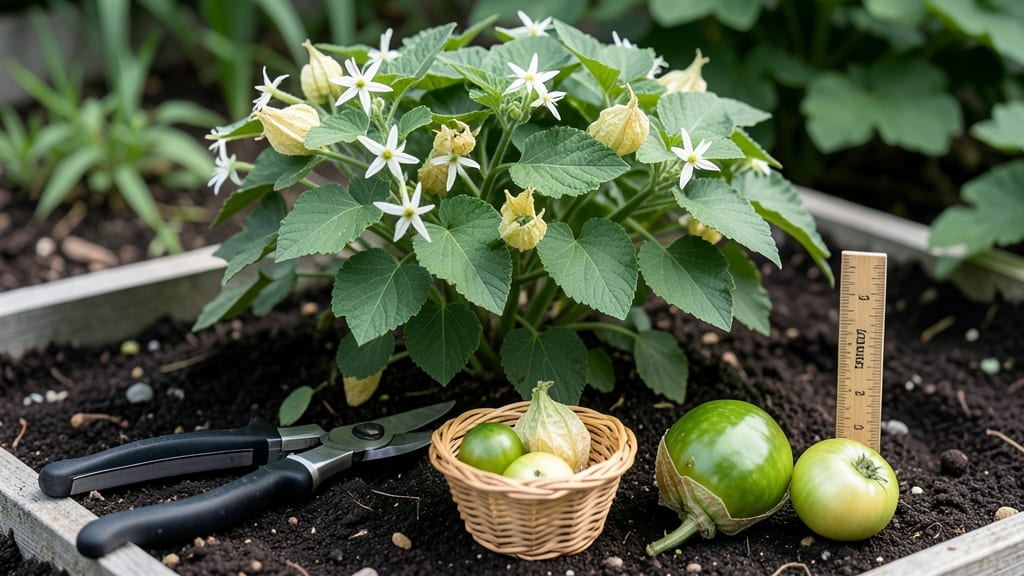
How to know when to harvest tomatillos can turn a bitter batch of salsa verde into a tangy masterpiece—or ruin your whole crop. These little green gems 🍅 don’t give off obvious ripeness signals like tomatoes, so missing the window means mealy, underripe flavors instead of that perfect balance of tart and sweet.
I’ve learned the hard way that timing is everything with tomatillos—especially in Zone 6a, where summer heat can speed up ripening. The key lies in three simple visual cues: size, color, and texture.
Once you spot these signs, you’ll never second-guess your harvest again, and your dishes will thank you.
But here’s the catch: even experienced gardeners sometimes pick too early or too late. I’ll walk you through exactly what to look for—from the papery skin that signals readiness to the firmness that tells you it’s time to act.
Plus, I’ll share my pro tips for storing your harvest so those flavors stay fresh until you’re ready to cook.
Ready to go from guessing to perfect? Let’s break down the foolproof way to tell when your tomatillos are at their peak—so you can enjoy that bright, zesty flavor in every bite.

3 Visual cues to identify perfectly ripe tomatillos
Tomatillos are ready to harvest when they reach peak ripeness, but many gardeners struggle to spot the exact moment. Unlike tomatoes, these tangy green fruits don’t ripen on the vine in the traditional sense—they need to be picked at the right size and texture for the best flavor.
I’ve learned that focusing on three key visual cues makes all the difference between a perfect harvest and a disappointing one.
First, pay attention to the size of the tomatillos. When they reach 1 to 2 inches in diameter, they’re typically ready for picking. Smaller ones are usually too tart and underdeveloped, while larger ones can become mealy and bland.
Think of them like green apples—firm and fully grown, not shriveled or oversized.
Next, examine the color and texture of the husk. A ripe tomatillo’s husk should be matte and slightly papery, not shiny or waxy. The skin beneath should be a uniform green, though some varieties like purple tomatillos will have a deeper hue.
If the husk feels slimy or the skin looks uneven, it’s not ready yet.
Don’t overlook the stem base—this is where many gardeners miss the mark. When ripe, the base where the tomatillo attaches to the plant will turn a yellowish-green color.
This subtle shift signals that the fruit is fully mature and packed with flavor. If the base stays purely green, give it another week or two.
- 📏 Size: 1-2 inches in diameter (like a golf ball)
- 🧻 Texture: Matte, papery husk (not shiny or slimy)
- 🟡 Base: Yellowish-green stem attachment (not pure green)
One common mistake I see is confusing green color with ripeness. While unripe tomatillos are green, they’re also hard and bitter. Ripe ones might look similar but feel firm yet slightly soft when gently squeezed.
If you’re unsure, check the flower production—when your plants stop blooming, it’s a sign that existing tomatillos are nearing harvest time.
Climate plays a role too. In hotter regions, tomatillos may ripen faster, while cooler areas might need extra time. I’ve found that harvesting in the morning after dew has dried gives the most accurate read on ripeness, as the fruits are less prone to moisture-related texture changes.
For green varieties, aim for a bright, even green with no brown spots. Purple tomatillos should have a deep, consistent hue with no streaks. If you see yellowing or wrinkling, you’ve waited too long—they’ll taste bland or even fermented. Timing is everything!
Once you’ve mastered these visual cues, harvesting becomes second nature. Grab a basket and pick gently to avoid damaging the plant. Store them in a paper bag in the fridge for up to a week, or use them fresh in your next batch of salsa verde—you’ll taste the difference!
🌿
3 Visual cues to identify perfectly ripe tomatillos
Tomatillos are ready to harvest when they hit the sweet spot between firmness and maturity. Unlike tomatoes, they don’t ripen after picking, so timing is everything. The three key visual cues—size, color, and texture—will tell you exactly when to harvest for that perfect tangy flavor.
First, check the size of the tomatillos. At peak ripeness, they should measure between 1 to 2 inches in diameter. Smaller ones are still hard and underdeveloped, while oversized ones may become mealy. Think of them like green apples—neither too small nor too large.
The color shift is your next clue. Ripe tomatillos turn from a bright, shiny green to a dull, matte green. If they’re still glossy, they need more time on the vine. For purple varieties, look for a deep, even hue—no streaks or fading.
Finally, examine the texture and stem base. A ripe tomatillo’s skin feels slightly papery, almost like a thin onion skin. The stem base should turn a yellowish-green, indicating the fruit is fully mature. If the base stays green or turns brown, it’s a sign of overripeness.
Pro tip: Harvest in the morning when temps are coolest. This preserves their crispness and prevents the skins from splitting in hot afternoon sun. Once picked, store them in a paper bag in the fridge for up to a week—just like green tomatoes!
Now that you’ve mastered the visual cues, your next step is testing ripeness with the squeeze method—but that’s a story for the next section. For now, keep an eye on those 1-2 inch green balls hanging on your plants!