
How To
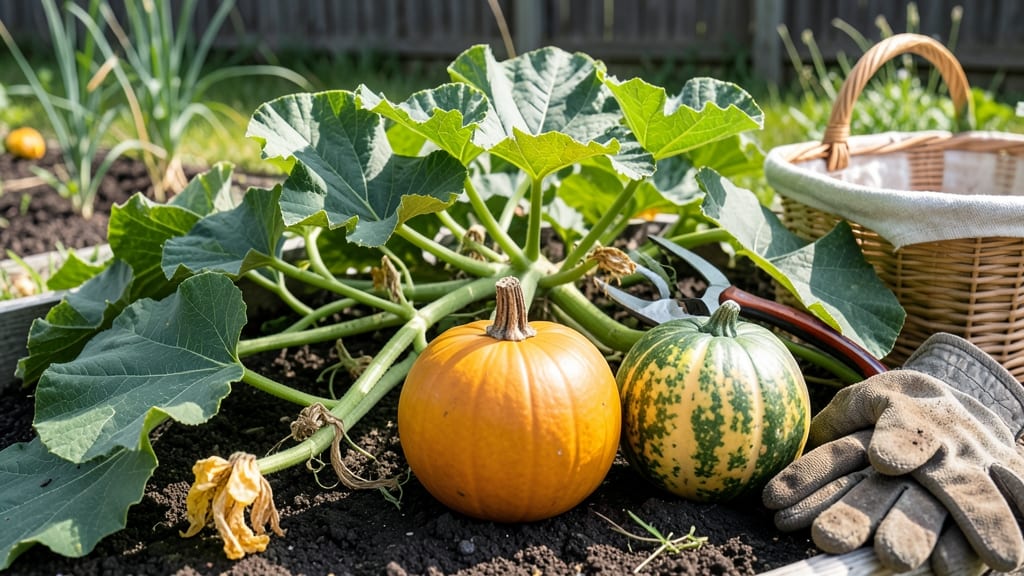
How to know when to pick acorn squash can mean the difference between sweet, flavorful harvests and tough, bland disappointments. The right timing depends on subtle visual cues that many gardeners overlook—like skin color shifts or stem changes—that signal peak ripeness.
I’ve learned the hard way that harvesting too early means waiting weeks for better results, while picking too late can ruin the squash’s texture. Luckily, there are three foolproof signs to watch for, and once you spot them, you’ll never second-guess your harvest timing again.
From the moment your acorn squash starts turning a deep, matte hue to the way the stem hardens like wood, these clues are your roadmap to perfect ripeness.
Whether you’re in USDA Zone 6a or another climate, these tips will help you time your harvest just right—so you can enjoy that ideal balance of sweetness and firmness.
Let’s break down the exact visual and physical cues to look for, plus what happens if you miss the window. By the end, you’ll be confidently picking your acorn squash at the perfect moment every season.
3 Visual cues to identify perfectly ripe acorn squash
When my acorn squash plants start producing fruit, I always get excited—but I know better than to rush the harvest. Ripe acorn squash has distinct visual cues that tell you exactly when to pick.
Ignoring these signs can lead to underripe squash with tough flesh or overripe ones that spoil quickly. Let's break down the three foolproof indicators I use every season.
First, pay attention to the skin color transformation. Unlike butternut squash, acorn squash doesn't turn orange uniformly. Instead, look for a deep, consistent matte green or tan color that covers the entire surface.
The skin should also feel hard and difficult to puncture with your fingernail—a good test for ripeness.
Here's where many gardeners make mistakes: they pick squash based on size alone. But size doesn't equal ripeness. A squash might reach its full 4-6 inch diameter while still being underripe. That's why I always check the other two cues before making my final decision.
Look for deep, matte green or tan color with no yellowing. The rind should be hard to puncture with your fingernail.
The stem should be brown and dry at the base where it attaches to the squash. If it's still green or moist, wait a few more days.
A ripe squash feels heavy for its size. When you tap it, it should sound hollow and deep—like knocking on a drum.
The stem condition is another critical clue I never overlook. When acorn squash is ready to harvest, the stem at the attachment point should be completely brown and dry.
This indicates the squash has stopped drawing nutrients from the vine. If you see any green or moist areas, give it another week to mature.
Here's a pro tip: I always harvest acorn squash in the morning after a dry spell. Wet conditions can make the skin slippery and increase the risk of disease.
After cutting the stem with pruning shears, I let the squash cure in a warm, dry place for 3-5 days before storing it.
One common mistake I see is picking squash based on the vine's health alone. While dying back vines can indicate ripeness, don't rely solely on this sign.
Some varieties keep producing new growth even after the squash is ripe. That's why I always combine vine condition with the other two visual cues.
For storage, I recommend keeping ripe acorn squash in a cool, dark place with good air circulation. Properly cured and stored squash can last 2-3 months in ideal conditions. If you notice any soft spots or mold during storage, use those squash first—they won't keep much longer.
Remember, acorn squash ripens from the inside out. Even if the skin looks perfect, the flesh might still be stringy and underdeveloped if picked too early. That's why I always do the fingernail test—it's the most reliable way to check internal ripeness without cutting into the squash.
With these three visual cues mastered, you'll never second-guess your acorn squash harvest again. The key is patience—waiting for all three signs to align guarantees the sweetest, most flavorful squash you've ever grown. Happy harvesting! 🎃
3 Visual cues to identify perfectly ripe acorn squash
Acorn squash reaches peak ripeness when its skin color, stem condition, and weight all align perfectly. Unlike butternut squash, acorn varieties develop a deep, matte finish—think of a rich golden-brown or tan hue, depending on the cultivar.
The transformation from pale green to this warm tone signals sugar development inside.
Don’t rely solely on color, though. The stem end is your second clue: it should harden and turn dry brown. Gently press your thumbnail against it—if it doesn’t dent easily, that’s a hardness test passed. A soft or green stem means your squash needs more time on the vine.
Here’s the definitive guide to spotting ripe acorn squash, broken down into three foolproof cues:
- 1 Skin Color: Deep, matte golden-brown (not shiny). Pale green = underripe; dull tan = perfect.
- 2 Stem Condition: Dry, brown, and hard to the touch. Press your thumbnail—no dent = ready to harvest.
- 3 Weight & Size: 4–6 inches in diameter and surprisingly heavy for its size. Lift it—ripe squash feels dense.
Pro tip: Tap the squash gently with your knuckles. A hollow, deep sound means it’s ripe; a dull thud suggests it’s still filling out. This acoustic test works best in the morning when temperatures are cooler and the squash’s moisture content is stable.
One common mistake? Harvesting when the vines start dying back. While this signals ripeness, wait another 3–5 days for full sugar development. Overripe squash loses flavor and stores poorly, so timing is everything.
If your acorn squash meets all three cues, it’s time to harvest! Use a sharp knife or pruners, leaving a 1-inch stem to extend shelf life. Store in a cool, dry place (50–55°F) for up to 3 months—just like a natural pantry staple.