
How To
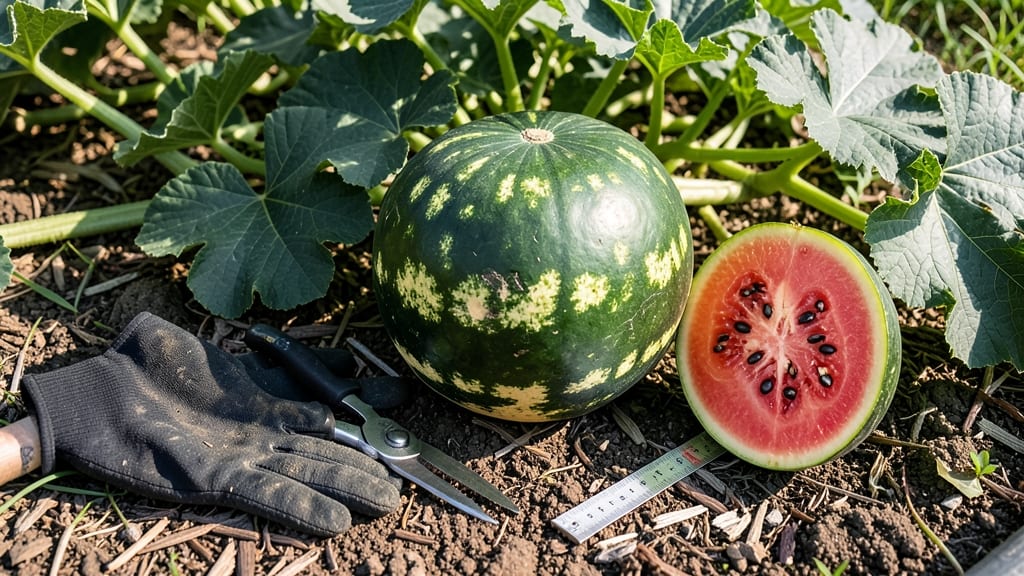
5 Visual and physical signs your watermelon is perfectly ripe
Watermelons are tricky—one day they're hard as a rock, and the next, they're overripe and mushy. But with these 5 foolproof signs, you'll never miss the perfect harvest window again. Start by checking the underside of the fruit, where the watermelon rested on the ground.
A creamy yellow or white patch signals ripeness, while a green spot means it needs more time.
Next, examine the stem near the fruit. A ripe watermelon will have a dry, brown stem that snaps easily when pulled. If the stem is still green and flexible, your melon isn’t ready yet. This is one of the most reliable physical ripeness tests gardeners swear by.
Don’t overlook the rind texture—it should feel thick and tough to the touch, almost impossible to puncture with your fingernail. If you can press a dent into the skin, the fruit is underripe.
Pro tip: Compare the rind color to a ripe watermelon at the store—your garden fruit should match that deep, matte finish.
Here’s where things get fun: the thump test. Give the watermelon a firm knock with your knuckles. A ripe one will sound deep and hollow, like a drum.
If it sounds dull or flat, it’s not ready. I’ve learned this the hard way—overripe melons taste bland and watery, while underripe ones are tough and seedy.
Finally, check the tendrils near the stem. When your watermelon is ripe, the small tendrils closest to the fruit will turn brown and dry out. The larger vine tendrils farther away stay green. This is your final visual cue before harvesting.
🍉 5 Signs Your Watermelon Is Ripe
- 1. Creamy Spot: Yellow/white patch on the ground-side of the rind.
- 2. Dry Stem: Stem turns brown and brittle near the fruit.
- 3. Thick Rind: Skin is hard and tough—no dent with fingernail.
- 4. Hollow Sound: Thump test produces a deep, resonant "thud".
- 5. Brown Tendrils: Small tendrils near stem dry out and turn brown.
Now, let’s talk common mistakes that can lead to disappointment. Many gardeners pick watermelons based on size alone, but a big melon isn’t always ripe. Some varieties, like seedless watermelons, may never reach the same size as heirloom types, so focus on the visual and tactile cues instead.
Another pitfall? Harvesting in extreme heat. Watermelons taste best when picked in the early morning, when temperatures are cooler. If you must pick later in the day, store them in a shady, cool spot for a few hours before eating to let their sugars settle.
Pro tip: Cut one open if you’re unsure—look for bright red flesh with small, dark seeds (or no seeds for seedless types). If the inside is pale or greenish, give it more time.
This is the ultimate ripeness confirmation, but it’s a destructive test, so save it for your last melon of the season!
Remember, patience is key. Watermelons ripen on the vine, and rushing the harvest can ruin your hard work. Keep an eye on these signs, and you’ll enjoy juicy, sweet watermelons straight from your garden all summer long. 🌱
How to test watermelon ripeness beyond the basics: advanced techniques
If you’ve mastered the basics—like checking the rind color and thump test—it’s time to elevate your watermelon-picking game. Advanced techniques can help you avoid overripe or underripe fruit with near-perfect accuracy. These methods go beyond the surface, giving you insights into the fruit’s internal sweetness and structural integrity.
One of the first advanced cues to watch is the stem scar, the area where the fruit attached to the vine. When ripe, this spot should turn from white or green to a creamy yellow.
A dull, slightly sunken scar is another sign of ripeness, while a shiny or raised scar means the fruit needs more time. This is a critical indicator for heirloom varieties, where external color can be misleading.
Don’t confuse a dry stem scar with ripeness! If the stem snaps off easily and leaves a dry, brown scar, the melon is likely overripe. A green or moist scar means it’s still maturing. Always check the color and texture together for accuracy.
The knife test is a game-changer for determining internal sweetness. Use a sharp knife to cut a small slice near the stem end (the sweetest part). A ripe watermelon will have bright red or orange flesh, depending on the variety.
If the flesh is pale or greenish near the rind, it’s not ready. Pro tip: The seeds should be fully developed and dark—if they’re still white or translucent, wait a few more days.
Weight and sound are often overlooked but reliable indicators. A ripe watermelon feels heavy for its size, almost like it’s too heavy to lift easily. When you tap it with your knuckles, it should produce a deep, hollow sound.
A dull thud suggests the fruit is underripe, while a high-pitched ring means it’s overripe. This test works best when comparing melons side by side.
For seedless varieties, focus on the rind’s texture and the field spot (the cream-colored area where the melon rested on the ground). A ripe seedless watermelon’s rind should be tough and hard to puncture with your fingernail.
If it gives slightly, it’s not ready. The field spot should also darken and soften—a sure sign of ripeness. These varieties often ripen faster than traditional types, so don’t wait too long!
Timing matters too! Watermelons typically reach ripeness 75-90 days after planting, but this varies by variety and climate. In hotter regions, they may ripen faster, while cooler climates can slow the process.
Keep a harvest journal to track your plants’ progress—note the first flower date and count days to ripeness for future reference. This helps you predict harvest windows more accurately each season.