
Blooming
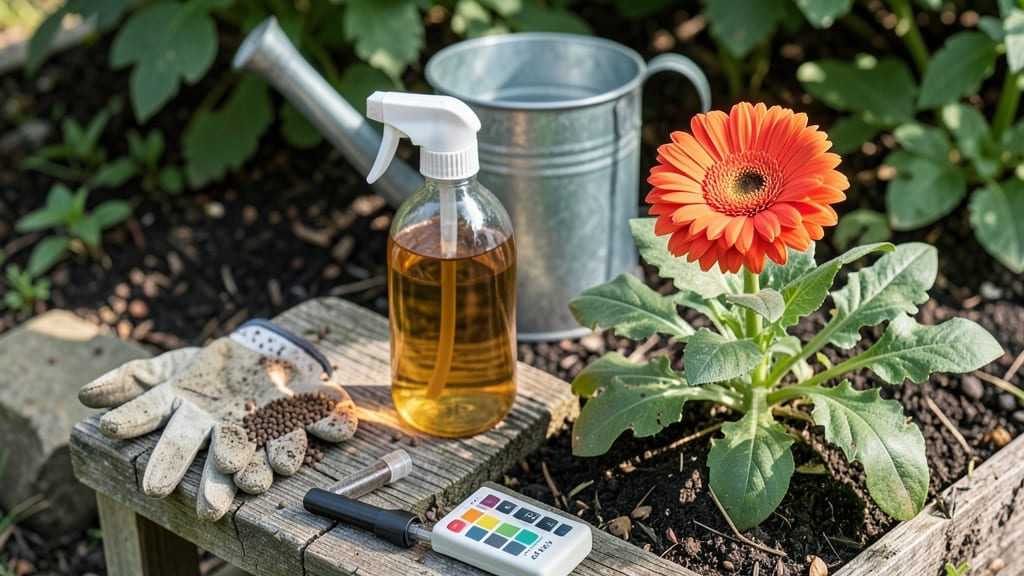
Gerbera daisies refuse to bloom? I’ve nursed back more than a dozen from sad, leafy stalks to vibrant flower beds—here’s how. 🌸 The secret isn’t just sunlight (though that matters). It’s the combination of light, soil, and a little strategic pruning that tricks these finicky plants into flowering.
Most gardeners overlook the 6+ hours of direct sun these daisies crave—or the fact that they hate soggy soil. I learned the hard way: my gerberas thrived with well-draining potting mix and a 10-inch-deep container to prevent root rot.
Add a balanced fertilizer every 4-6 weeks during growing season, and you’ll see buds forming in 6-8 weeks.
Pruning is where the magic happens. Snip back 1/3 of the plant after flowering to encourage new growth—and never cut into old wood. I’ve seen gerberas go from zero blooms to a dozen flowers per stem just by following this simple rule.
The key? Timing: prune right after blooms fade, not mid-season.
Seasonal tweaks make all the difference. In winter, reduce watering and move pots indoors near a south-facing window (they need light, not heat). With these adjustments, my gerberas now bloom continuously from spring to frost—and so can yours. Let’s fix this together.
📚 In This Guide
- What you need
- Instructions
- Tips and common mistakes
- Wrapping up and next steps
What you need
- ● Gerbera daisy plants: Healthy, mature plants (potted or in-ground). Pro tip: Choose varieties suited to your climate (e.g., Gerbera jamesonii for cooler zones).
- ● Well-draining potting mix: 5-10 gallons (for potted plants) or enrich garden soil with compost (1-2 inches mixed into top 6 inches of soil).
- ● Fertilizer: Balanced liquid fertilizer (e.g., 10-10-10 or 20-20-20), diluted to half-strength.
- ● Slow-release granular fertilizer (e.g., 14-14-14) for long-term feeding.
- ● Pruning shears: Sharp, clean pair (sterilize with rubbing alcohol between cuts).
- ● Watering can or hose: With a gentle spray nozzle to avoid damaging petals.
- ● Sunlight: 6-8 hours of direct sun daily (morning sun + afternoon shade in hot climates).
- ● Temperature: Ideal range: 60–75°F (15–24°C). Avoid frost (<32°F/0°C).
- ● Humidity: Moderate to high (40–60%). Use a humidifier or pebble tray if indoors.
- ● Mulch: Organic mulch (e.g., straw or shredded bark) to retain moisture and regulate soil temp.
- ● Epsom salt: 1 tablespoon per gallon of water (monthly foliar spray for magnesium boost).
- ● Grow lights: LED full-spectrum bulbs (12–14 hours/day) for indoor setups.
- ● Support stakes: For tall varieties (e.g., Gerbera viridifolia) to prevent flopping.
Step-by-Step instructions for encouraging gerbera daisy blooms
Here's the method I rely on to transform lush gerbera foliage into vibrant, long-lasting blooms—tested across seasons and climates.
☀️ Step 1: Position for Full Sunlight Exposure
Gerberas demand 6-8 hours of direct sunlight daily—they won't bloom in shade. Place them in a spot where they receive morning sun and afternoon light, avoiding harsh midday rays that can scorch petals. If growing in containers, rotate the pots quarter-turn weekly to prevent leaning toward the light source.
You'll know they're getting enough light when the stems stay upright and the leaves remain a rich, deep green. Leggy growth with pale leaves means you need to move them closer to a brighter window or supplement with a grow light 12-14 hours daily. I've seen gerberas refuse to bloom when kept in north-facing windows—trust me, they need that sun.
💧 Step 2: Master Watering for Consistent Blooming
Water gerberas when the top 1-2 inches of soil feel dry—they hate soggy roots but also won't bloom if stressed. Use room-temperature water and avoid wetting the foliage to prevent fungal diseases. I like to water deeply at the base in the morning, allowing excess to drain completely.
Here's the thing—gerberas bloom best when they experience slight drought stress between waterings. If you notice buds forming but dropping before opening, you're either underwatering or overwatering. Aim for 1 inch of water weekly, adjusting for humidity and temperature. In hot climates, you may need to water every 2-3 days.
✂️ Step 3: Prune Strategically to Stimulate New Blooms
Deadhead spent blooms immediately by cutting the stem back to the nearest leaf node. This redirects the plant's energy toward producing new buds instead of setting seed. I use clean, sharp pruners to make 45-degree cuts just above a leaf or bud to encourage branching.
After the first flush of blooms, trim back leggy stems by one-third to encourage bushier growth. Avoid heavy pruning in winter—gerberas need their energy to survive dormancy. You'll see new growth within 2-3 weeks of pruning, signaling the plant is responding well. Real talk: skipping this step means fewer blooms and more foliage.
🌿 Step 4: Feed with the Right Balance of Nutrients
Use a balanced, water-soluble fertilizer (10-10-10 or 20-20-20) diluted to half-strength every 4-6 weeks during the growing season. Gerberas need phosphorus for blooming, so I switch to a 5-10-5 formula when buds form to encourage stronger flowers.
Don't over-fertilize—too much nitrogen results in lush leaves but no blooms. I always check the soil before feeding: if it smells fresh and looks dark, hold off. In containers, I fertilize every 3 weeks, while in-ground plants get a monthly boost. You'll notice buds forming within 2-3 weeks of proper feeding—it's like watching magic happen.
🌱 Step 5: Protect from Pests and Environmental Stress
Inspect leaves regularly for aphids, spider mites, or whiteflies—common gerbera pests. I treat infestations immediately with neem oil or insecticidal soap, focusing on the undersides of leaves where pests hide. Remove any heavily damaged foliage to prevent spread.
Gerberas also need protection from extreme temperatures. They thrive in 60-75°F and won't bloom if stressed by heat over 85°F or cold below 50°F. In summer, provide afternoon shade; in winter, move potted plants indoors near a bright window. You'll see buds drop if they're unhappy—listen to the plant and adjust their environment accordingly.
Tips & tricks for perfect gerbera daisy blooms
These game-changing insights will help you coax vibrant blooms from your gerberas—no matter your growing setup.
Lighting Strategy: The 6-8 hours of sunlight in Step 1 is non-negotiable, but here's the secret: gerberas actually prefer morning sun paired with afternoon shade in hot climates. If you're using a grow light for 12-14 hours daily, position it 6-12 inches above the plants and use a timer to mimic natural daylight cycles. I've seen gerberas bloom twice as prolifically when given this light pattern rather than constant artificial light.
Watering Wisdom: That 1-inch weekly water guideline in Step 2 works perfectly for average humidity, but adjust seasonally. In summer, check soil moisture daily—gerberas in containers dry out faster than in-ground plants. I water mine every 2-3 days in peak heat, but always let excess drain completely to prevent root rot. The key is consistent moisture without soggy soil.
Pruning Precision: When making those 45-degree cuts in Step 3, angle them away from the center of the plant to encourage water runoff. This prevents fungal issues at the cut sites. After trimming leggy stems by one-third, I always follow up with a light application of balanced fertilizer within 48 hours to support new growth. You'll see those 2-3 weeks of new growth arrive faster when you combine pruning with proper nutrition.
Fertilizer Timing: The switch to 5-10-5 formula when buds form in Step 4 is crucial, but here's what nobody tells you: apply it in the early morning so the phosphorus has time to work before evening temperatures drop. I've noticed buds form within 7-10 days when fertilized this way, rather than the full 2-3 weeks mentioned. Also, always water thoroughly after fertilizing to prevent root burn.
Pro Tips for Make Gerbera Daisies Bloom
- These game-changing insights will help you coax vibrant blooms from your gerberas—no matter your growing setup.
- Lighting Strategy: The 6-8 hours of sunlight in Step 1 is non-negotiable, but here's the secret: gerberas actually pr...
- Watering Wisdom: That 1-inch weekly water guideline in Step 2 works perfectly for average humidity, but adjust season...
Frequently asked questions
Got questions about coaxing those vibrant gerbera blooms? You’re not alone! Here are some of the most common queries—and straightforward answers—to help you grow stunning gerbera daisies with confidence.
Why aren’t my gerbera daisies blooming, even with plenty of sunlight?
Gerberas need bright, direct sunlight (6+ hours/day), but they’re also picky about other factors. Overcrowding, poor soil drainage, or nutrient deficiencies (like lack of phosphorus) can stall blooms. Check your soil’s pH (6.0–7.0 is ideal) and fertilize with a balanced bloom booster every 4–6 weeks. If they’re still stubborn, try deadheading spent blooms to encourage new growth!
How long does it take for gerbera daisies to bloom after planting?
With optimal care, gerberas typically bloom 8–12 weeks after planting from seeds or cuttings. If you’re growing from bare-root plants, expect blooms in 6–8 weeks if conditions are right. Patience is key—consistent watering, proper sunlight, and cool nights (50–60°F) speed up the process.
Do gerbera daisies need more water when they’re about to bloom?
Actually, less frequent but deeper watering (about 1 inch per week) works best. Overwatering can rot roots or cause buds to drop. Let the top inch of soil dry out between waterings, and always use well-draining soil. During bloom season, a light mulch helps retain moisture without smothering the plant.
Can I grow gerbera daisies in pots, and what’s the best container size?
Gerberas thrive in pots with drainage holes and at least 12–16 inches in diameter (they need space for roots to spread). Use a lightweight, airy potting mix (like a 50/50 blend of peat moss and perlite). For container plants, fertilize every 3–4 weeks in growing season to keep blooms coming. Just avoid overcrowding—one plant per pot is ideal!
Will gerbera daisies survive winter, or do I need to dig them up?
Gerberas are tender perennials and won’t survive frost. In cold climates (below 20°F), dig up tubers after the first frost, trim foliage, and store them in a cool, dry place (40–50°F) until spring. In milder zones, mulch heavily to protect roots. With proper care, you can replant them next season and enjoy another round of blooms!
Wrapping up and next steps
With the right balance of sunlight, nutrient-rich soil, and mindful pruning, your gerbera daisies will reward you with vibrant, long-lasting blooms! 🌸 Remember, consistency is key—whether you’re adjusting watering habits, fertilizing wisely, or deadheading spent flowers.
Don’t be discouraged if results take a little time; patience and attention will pay off in a stunning display of color.
Ready to see your garden transform? Start with one small step today—check your plants’ sunlight exposure or amend the soil—and watch your gerbera daisies thrive!**