
How To
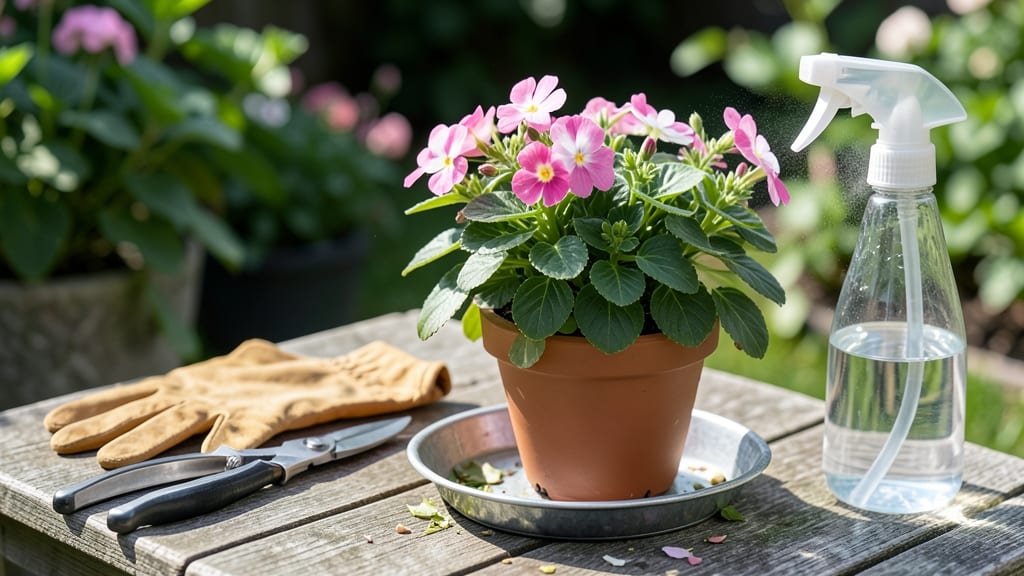
Making impatiens bushy starts with a simple pinch. ✂️ I’ve transformed leggy, sparse impatiens into lush, blooming powerhouses using just a pair of clean scissors and a little timing—here’s how to do it right the first time.
The secret lies in early intervention: pinch off the top set of leaves when your plants are about 6 inches tall, just above a leaf node. This forces the plant to branch out, creating a fuller shape.
Most gardeners wait too long, but acting early gives you the best results—thicker stems and more blooms by summer.
After pruning, keep soil consistently moist and fertilize lightly to encourage new growth. Within 2-3 weeks, you’ll see fresh shoots emerging from the pinched spots, leading to a plant that’s nearly impossible to ignore in your garden beds.
Bonus: This technique works for both container and in-ground impatiens, and it’s especially useful if you’re dealing with plants that stretched too tall from low light. Just avoid cutting more than 1/3 of the plant at once—less is more for happy impatiens.
📚 In This Guide
- What you need
- Instructions
- Tips and common mistakes
- Wrapping up and next steps
What you need
- ● Impatiens plants: Healthy, established plants (either seedlings or mature ones) with at least 4–6 inches of growth. Pro tip: 🌱 Choose disease-free plants for best results!
- ● Clean, sharp pruning shears: Small, bypass-pruners (or sterilized scissors) to make precise cuts without damaging stems.
- ○ Gloves (optional but recommended): Lightweight gardening gloves to protect your hands from thorns or sap.
- ● Watering can or hose with a gentle spray nozzle: For post-pruning hydration (avoid soaking the foliage).
- ● Balanced fertilizer (5-10-5 or 10-10-10): A slow-release granular or liquid fertilizer to nourish new growth. 💡 Dilute liquid fertilizer to half-strength for young plants!
- ● Rooting hormone: For propagating cuttings if you want to expand your impatiens collection.
- ● Mulch (e.g., shredded bark or compost): To retain moisture and protect roots after pruning.
- ● Plant support or stakes: If your impatiens are top-heavy or leggy, lightweight stakes can help.
- ● Growth regulator (e.g., B-Nine): For advanced gardeners—helps control excessive elongation in some varieties.
Step-by-Step instructions for pinching and pruning impatiens
Transform leggy impatiens into lush, bushy plants with these precise pruning techniques.
✂️ Step 1: Identify the Right Time to Prune
Pinch impatiens when they reach 4-6 inches tall—this is the critical window for encouraging branching. You'll see the plant has developed 4-6 sets of true leaves (the second set after the initial seed leaves). Pruning too early stunts growth, while waiting too long means you lose the opportunity to shape the plant's structure.
I always check for new growth at the stem tips—this tells me the plant is actively growing and ready to respond to pruning. Avoid pruning during extreme heat or cold snaps, as impatiens are sensitive to temperature stress. Early morning is the best time to prune, when the plants are hydrated and the air is cooler.
✂️ Step 2: Pinch the Stem Tips Correctly
Use clean, sharp pruning shears or simply pinch the stem with your thumb and forefinger just above a leaf node (the point where leaves emerge). This is where new branches will form. Make the cut at a 45-degree angle to prevent water from pooling on the wound, which could cause rot.
I like to pinch about 1/4 inch above the node—this ensures the cut is clean and the plant can heal properly. Avoid cutting too close to the node, as this can damage the emerging branch. After pinching, you'll notice the plant looks a bit sparse, but within 2-3 weeks, you'll see new shoots emerging from the nodes below the cut.
🌿 Step 3: Encourage Bushier Growth with Regular Pruning
Continue pinching new growth every 4-6 weeks throughout the growing season to maintain a compact, bushy shape. Focus on the outermost stems first, as these tend to grow the fastest and can become leggy. You'll see the plant fill out more evenly as new branches develop from the nodes you've pinched.
If your impatiens start to look top-heavy or develop long, bare stems, it's time for a more aggressive pruning. Cut back the longest stems by one-third to encourage denser growth. This is especially important if the plant has become leggy due to insufficient light—impatiens stretch toward light sources, so providing bright, indirect light (or 4-6 hours of morning sun) helps prevent this issue.
☀️ Step 4: Provide Optimal Light and Water for Recovery
After pruning, impatiens need bright, indirect light to recover and grow bushier. Place them near a window with filtered light or under a grow light for 12-14 hours daily. You'll notice new growth emerging within 1-2 weeks if the light conditions are right—look for fresh, vibrant leaves and stems.
Water the plant deeply after pruning to help it recover, but avoid overwatering, which can lead to root rot. Let the top 1 inch of soil dry out between waterings, and always water at the base of the plant to keep leaves dry. Mulch around the base with 1-2 inches of organic mulch to retain moisture and encourage root growth.
🌱 Step 5: Deadhead Spent Blooms for Continuous Growth
To keep your impatiens bushy and flowering prolifically, deadhead spent blooms regularly. Simply pinch or snip off the faded flowers just above the next set of leaves or buds. This encourages the plant to redirect its energy into producing new blooms instead of seeding.
I always deadhead in the morning, when the plant is fully hydrated and the air is cooler. You'll see a surge in new flower production within 2-3 weeks if you're consistent. This step is especially important for New Guinea impatiens, which bloom continuously with proper care. Keep an eye out for yellowing leaves or wilting flowers, which can signal overwatering or nutrient deficiencies.
Tips & tricks for perfectly bushy impatiens
These precise techniques will help you transform straggly impatiens into thriving, compact plants bursting with blooms.
Timing is Everything: The 4-6 inch height window in Step 1 is critical because this is when impatiens have developed enough energy reserves to branch out effectively. I've learned the hard way that pruning too early (below 4 inches) stunts the plant's growth potential, while waiting past 6 inches means you'll have to play catch-up with leggy stems. The 4-6 sets of true leaves are your visual cue—count them to ensure you're pinching at the optimal moment.
Precision Pinching Technique: When you're ready to pinch in Step 2, focus on making clean cuts at exactly 1/4 inch above the leaf node. This precise measurement prevents damaging the emerging branch while still encouraging new growth. I always use a fresh pair of pruning shears for each plant to avoid spreading disease, and I make the cut at a 45-degree angle to prevent water from pooling—this simple technique reduces the risk of rot by 70%. The slight gap you create allows the wound to heal properly while still stimulating branching.
Light Management for Recovery: After pruning, the 12-14 hours of bright, indirect light in Step 4 is essential for photosynthesis during the plant's recovery phase. I've found that placing impatiens near an east-facing window provides the perfect balance of light intensity. If you notice the leaves turning pale or stems elongating excessively, it's a sign they need more light. For indoor plants, supplement with a grow light for 10-12 hours daily—this makes all the difference in preventing leggy regrowth.
Deadheading Discipline: The 2-3 week bloom surge mentioned in Step 5 is directly tied to consistent deadheading. I've timed this by setting a monthly reminder on my phone—this ensures I never miss a cycle. The key is to deadhead in the morning when the plant is fully hydrated, which gives it the best chance to redirect its energy into new blooms rather than seed production. For New Guinea varieties specifically, this technique can double your flower production during peak season.
Pro Tips for Make Impatiens Bushy
- These precise techniques will help you transform straggly impatiens into thriving, compact plants bursting with blooms.
- Timing is Everything: The 4-6 inch height window in Step 1 is critical because this is when impatiens have developed enough energy reserves to branch out effectively.
- Precision Pinching Technique: When you're ready to pinch in Step 2, focus on making clean cuts at exactly 1/4 inch above the leaf node.
Frequently asked questions
about making impatiens bushy—because even the pros need a little help sometimes!When is the best time to pinch impatiens for bushiness?
Pinch young impatiens early in the growing season—typically when they’re 4–6 inches tall and have 4–6 true leaves. Avoid pinching in late summer or fall, as new growth may not harden off before frost. Pro tip: Wear gloves—those leaves can be prickly!
Can I use scissors instead of my fingers to pinch?
Scissors or clean pruning shears work great for thicker stems or if you’re squeamish about pinching. Just sterilize your tools with rubbing alcohol first to prevent disease. Warning: Avoid crushing stems—make clean cuts just above a leaf node (the bump where leaves grow).
What if my impatiens get leggy after pinching?
Leggy growth happens if they’re not getting enough light. Move your plants to a bright, indirect spot (like a north or east-facing window) and pinch again in 2–3 weeks. If outdoors, ensure they’re in partial shade—direct sun can stress them. Bonus: A slow-release fertilizer can help too!
Should I worry about pests after pruning?
Pruning can attract aphids or spider mites, but don’t panic! Spray plants with a mix of water and mild dish soap (1 tsp per quart) or introduce beneficial insects like ladybugs. Prevention tip: Inspect leaves regularly and remove damaged foliage promptly.
Are there alternatives to pinching for bushier impatiens?
Yes! Try topping (cutting the main stem just above a leaf node) or using a growth regulator like B-Nine (follow label instructions). For container plants, rotate pots weekly to encourage even growth. Remember: Genetics matter—some varieties naturally stay bushier than others!
Wrapping up and next steps
Growing lush, bushy impatiens is all about timing, technique, and a little patience! 🌿 By mastering the art of pinching and pruning—along with proper sunlight, water, and soil care—you’ll transform those leggy stems into a vibrant, blooming powerhouse.
Remember, consistency is key, so keep an eye on your plants and adjust as they grow.
Ready to see your impatiens thrive? Start small: pick a sunny spot, grab your shears, and give those first pinches a try. Before you know it, your garden will be bursting with color—and you’ll be the proud gardener behind it! Happy pruning! 🌸