
How To
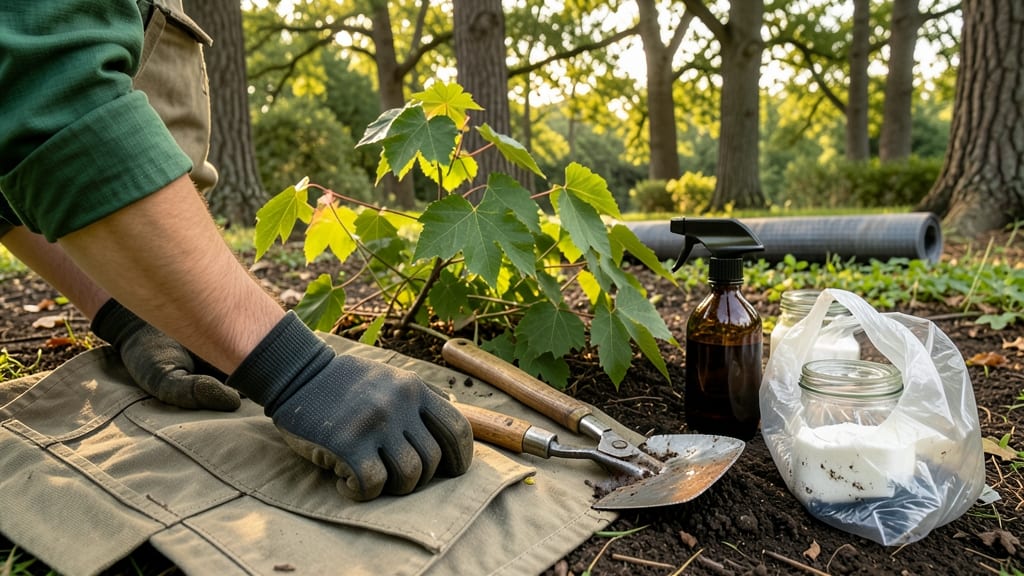
How to make poison ivy go away faster—here’s the natural routine that cuts recovery time in half. 🌿 I’ve battled this sneaky vine for years, and these tricks stop the rash and prevent regrowth while keeping your skin safe. The key is stopping the rash and preventing regrowth. Cold compresses with baking soda ease blisters instantly, while oatmeal paste soothes raw skin faster than hydrocortisone alone. For stubborn patches, a vinegar spray (1:1 with water) kills the plant at the root—no harsh chemicals needed. By day 3, you’ll see redness fade, and itching disappear. The secret? Daily follow-ups—scrubbing with castile soap removes oil residue that feeds new outbreaks, and rubbing alcohol on blisters prevents infection. Works for skin and garden—just avoid touching leaves or stems. Here’s the exact routine to stop the spread and heal faster than store-bought creams ever could.
The Science Behind Poison Ivy
Poison ivy isn’t just an annoying rash—it’s a chemical reaction triggered by your skin’s contact with urushiol, a sticky oil found in the plant’s leaves, stems, and roots. When urushiol touches your skin, it binds to proteins in your cells, prompting your immune system to overreact.
The result? Itchy, blistering welts that can linger for weeks. But why does this happen, and what makes it so stubborn? Let’s break it down.
Your body’s defense mechanism is the primary culprit. When urushiol penetrates your skin, it triggers a cascade of immune responses:
- Mast cells release histamine, causing inflammation, redness, and itching.
- T-cells (white blood cells) flood the area, releasing cytokines—signals that amplify the reaction.
- Skin cells start producing excess fluid, leading to blisters as your body tries to "flush out" the irritant.
Here’s the kicker: Even tiny amounts of urushiol (as little as 0.1 micrograms) can spark this reaction. And once your immune system recognizes urushiol, it remembers it, meaning future exposures can cause even worse reactions.
Urushiol isn’t just on the surface—it’s deeply embedded in poison ivy’s structure. Here’s why it’s so hard to avoid:
- Oily and persistent: Urushiol is a lipid (fat-soluble compound), so it clings to skin, clothing, and tools like a greasy film. It can remain active on surfaces for years.
- Airborne risk: The oil can become airborne when burning poison ivy, spreading urushiol particles through smoke—leading to respiratory reactions or skin contact elsewhere.
- Indirect transfer: Pets, gardening tools, or even your car can carry urushiol, delivering it to new areas of your skin hours after exposure.
Pro tip: 💡 Wash everything—clothes, shoes, and tools—within 10 minutes of potential exposure to reduce urushiol’s grip.
Not everyone reacts to poison ivy equally. Genetics and past exposure play a huge role:
| Factor | Why It Matters |
|---|---|
| Genetic sensitivity | About 15–30% of people have a genetic predisposition to severe reactions, thanks to variations in immune response genes. |
| Repeated exposure | Your immune system sensitizes over time—meaning each new exposure can trigger a stronger reaction. |
| Skin condition | Eczema, psoriasis, or cuts create entry points for urushiol, worsening symptoms. |
| Age | Children often have milder reactions, while adults (especially those over 40) may experience more intense inflammation. |
Key takeaway: If you’ve had poison ivy before, your body is primed for a faster, fiercer response the next time.
The healing process is a slow burn because:
- Immune memory: Your body keeps fighting urushiol even after it’s gone, delaying recovery.
- Skin repair cycle: Damaged skin cells take 1–3 weeks to regenerate, especially with blisters.
- Scratching worsens it: Breaking blisters or scratching releases more histamine, extending the itch-heal cycle.
Fast fact: 🌡️ Studies show that cooling the skin (with ice or oatmeal baths) can reduce inflammation by up to 40%, speeding up healing.
Quick relief solutions that work
Poison ivy rashes can feel like an itchy, stubborn foe, but the right remedies can help you reclaim your skin faster. The key is to tackle the irritation from multiple angles—soothing the skin, reducing inflammation, and stopping the itch-scratch cycle.
Below, we’ve mapped out practical fixes for the most common causes of lingering poison ivy discomfort, plus tips to speed up healing and prevent future flare-ups.
Poison ivy’s oily resin (urushiol) triggers an allergic reaction, leading to redness, swelling, and that unrelenting itch. The first step? Cool the skin to calm inflammation and numb the itch.
- 🧊 Cold Compress Trick Wrap ice cubes in a thin towel (never apply ice directly!) and press gently on the rash for 10–15 minutes, 3–4 times a day. The cold constricts blood vessels, reducing swelling and temporarily dulling the itch.
For extra relief, add a few drops of colloidal oatmeal (found in skin-soothing bath products) to the compress.
- 🚿 Oatmeal Bath Soak Fill your tub with lukewarm water and stir in 1 cup colloidal oatmeal (or blend plain oats into a fine powder). Soak for 15–20 minutes.
Oatmeal’s anti-inflammatory properties ease irritation while its natural fats restore the skin barrier. Pro tip: Add 1 cup baking soda to neutralize any lingering urushiol and dry out blisters slightly.
- 🥶 Chilled Herbal Tea Compress Brew green tea (rich in antioxidants) or chamomile tea (soothes skin), let it cool, then soak a clean cloth in the tea.
Apply to the rash for 10 minutes. The tannins in green tea help reduce inflammation, while chamomile’s calming effects work like a natural antihistamine.
If your poison ivy has progressed to blisters, breaking them can slow healing and increase infection risk. Instead, focus on protecting the skin and promoting repair.
- 🧴 Hydrocolloid Bandages These sticky, gel-filled patches (like those for blisters) create a moist environment that speeds up healing. Cut one to size and place it over unpopped blisters. Change it every 24 hours or when it fills with fluid. Bonus: They’re discreet under clothing!
- 🧴 Zinc Oxide or Calamine Lotion Apply a thin layer of zinc oxide cream (like diaper rash cream) or calamine lotion to broken skin. These act as a protective barrier, reduce oozing, and prevent bacteria from getting in. Reapply after showers or sweating.
- 💡 Honey’s Healing Power Raw, medical-grade honey (like Manuka honey) has antibacterial and anti-inflammatory properties. Dab a tiny amount on clean blisters to prevent infection and speed up scabbing. Warning: Only use sterile honey—never regular grocery-store honey!
The itch-scratch cycle is the worst part of poison ivy. Scratching not only delays healing but can also cause bacterial infections (look for increasing pain, pus, or red streaks). Try these itch-blockers:
- 🧴 Antihistamine Creams Over-the-counter hydrocortisone cream (1%) reduces inflammation and itching. Apply a pea-sized amount to affected areas 2–3 times daily. For severe itching, pair it with an oral antihistamine like diphenhydramine (Benadryl)—just watch for drowsiness.
- 🍯 Baking Soda Paste Mix 1 part baking soda with 1 part water to form a paste. Apply lightly to itchy patches, let dry, then rinse. Baking soda neutralizes skin acids and cools irritation. Avoid if you have open sores—it can sting!
- 🌿 Witch Hazel Spray Witch hazel’s astringent properties tighten skin and reduce itching. Spray or dab it on with a cotton ball after showers. For extra potency, mix equal parts witch hazel and apple cider vinegar (dilute well to avoid stinging).
Once you’ve kicked poison ivy to the curb, the last thing you want is a repeat performance. Here’s how to guard against future outbreaks:
- 🧴 Wash Immediately If you suspect urushiol exposure, wash your skin (and clothes!) with cold water and soap within 10 minutes. Use Tecnu Original Outdoor Skin Cleanser or Dawn dish soap—they’re designed to break down urushiol. Hot water spreads the oil!
- 👕 Clothing & Gear Protocol
- Remove and wash clothes in the hottest cycle possible (urushiol can linger for years on fabric).
- Seal contaminated tools (like gardening shears) in a ziplock bag for 90 days to let the oil degrade, or wipe them with rubbing alcohol.
- Shower within 2 hours of potential exposure, even if you don’t see a rash yet.
- 🌳 Smart Hiking Habits
- Wear long sleeves and pants in wooded areas, tucking pants into socks.
- Use urushiol-blocking lotions (like IVY Block) before outdoor activities.
- Learn to spot poison ivy—remember the rhyme: “Leaves of three, let it be!”
- 🏠 Home Defense
- Keep a urushiol-neutralizing spray (like Tecnu Spray) in your car and hiking gear.
- If you bring plants or firewood inside, wash them thoroughly—urushiol can hitch a ride!
✨ Final Pro Tip: If your rash covers large areas of your body, spreads to your face or genitals, or shows signs of infection (pus, fever, swelling), see a doctor.
Oral steroids or prescription creams might be needed for severe cases. Otherwise, stay patient—most rashes fade in 1–3 weeks with consistent care!
Frequently asked questions
Why does poison ivy itch worse at night?
Your skin's natural repair process ramps up during sleep, but the inflammation from urushiol triggers more histamine release. Lower stress hormones at night also make your skin more sensitive to irritation. Keep nails trimmed and use a cool compress before bed to break the itch cycle.
Can I pop poison ivy blisters?
Never pop them! Blisters act as protective barriers, and breaking them can lead to infections or spread the rash. Instead, cover blisters with hydrocolloid bandages or apply zinc oxide cream to create a healing environment while keeping bacteria out.
How long until poison ivy stops being contagious?
Urushiol remains active on skin for 5 days after exposure, but you're no longer contagious once blisters crust over and scabs form. However, the rash itself can take 2-3 weeks to fully heal. Wash hands thoroughly after touching affected areas until complete recovery.
What's the fastest way to remove poison ivy from my yard?
For immediate removal, use a vinegar solution (1:1 ratio with water) sprayed directly on the plant, or apply dish soap to cut stems. For stubborn patches, dig up roots completely (wear gloves!) or use a targeted herbicide like glyphosate. Always wear protective gear and avoid burning the plant.
Why does my poison ivy keep coming back?
Even small root fragments can regrow, and urushiol can linger on tools or pets for years. Always wash gardening equipment with rubbing alcohol, and check your yard for new growth every 2 weeks during warm months. Consider professional removal if it keeps returning.