
How To
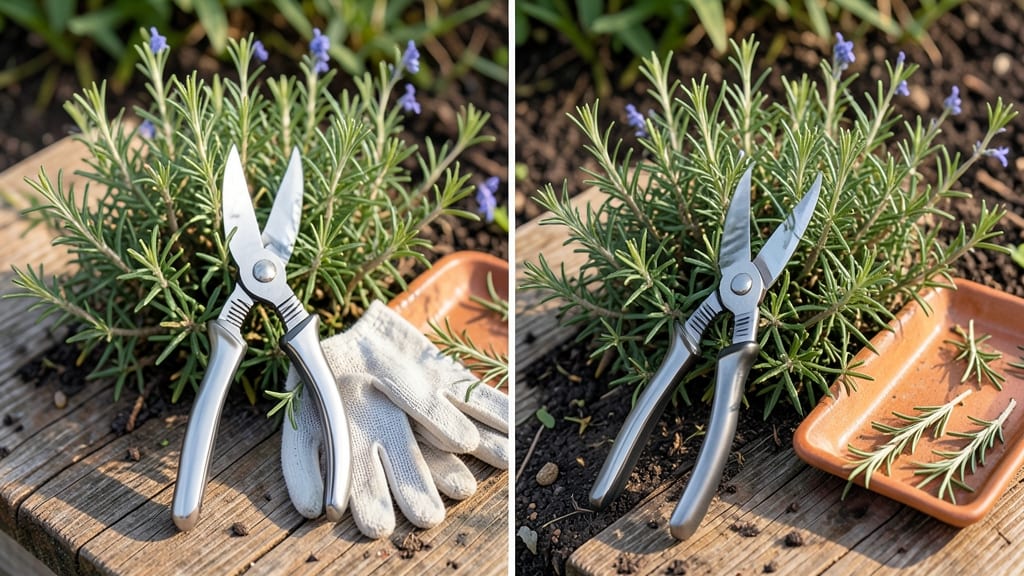
Your rosemary looks more like a twig than a bush—until you learn how to make rosemary bushier. 🌿 The secret to fuller growth isn’t just water or fertilizer; it’s how you prune and when.
I’ve turned my leggy rosemary into a dense, fragrant shrub in just two seasons using these simple tricks.
Start by cutting back one-third of the longest stems in early spring, always just above a leaf node. This forces the plant to branch out instead of growing tall.
Avoid heavy pruning in fall—rosemary needs time to harden off before winter. For extra bushiness, pinch off flower buds (deadheading) before they open, redirecting energy to foliage.
Feed lightly with balanced fertilizer (10-10-10) in spring, but don’t overdo it—rosemary prefers lean soil. Water deeply but infrequently; soggy roots stunt growth. Within weeks, you’ll see new shoots forming where you pruned, and your plant will fill out like a lush, aromatic cloud.
This method works for both upright and trailing varieties, whether you’re growing in pots or the ground. The key? Consistency—prune regularly, avoid overwatering, and your rosemary will go from sparse to stunning in no time. Let’s get those branches branching!
📚 In This Guide
- What you need
- Instructions
- Tips and common mistakes
- Wrapping up and next steps
What you need
- ● Pruning shears or sharp bypass pruners – Choose sterilized, sharp tools (1 pair) to avoid damaging the plant or spreading disease.
- ○ Gloves (optional but recommended) – A pair of gardening gloves to protect your hands from thorns and sap.
- ● Well-draining potting mix or garden soil – If repotting, use a mix with sand or perlite (50% potting soil, 50% amendment).
- ● Balanced, slow-release fertilizer – Look for a 10-10-10 or 20-20-20 NPK ratio (1-2 tbsp per plant).
- ● Watering can or hose with a gentle spray nozzle – Avoid overwatering; rosemary hates soggy roots!
- ○ Mulch (optional but helpful) – Use gravel, pine bark, or straw (1-2 inches) to retain moisture and deter weeds.
- ● Rooting hormone – Speeds up propagation if you’re taking cuttings (gel or powder form).
- ● Compost or worm castings – Boosts soil fertility naturally (½ cup per plant).
- ● Spray bottle with water – Keeps newly pruned areas hydrated without overwatering.
- ● Plant support stakes (for leggy rosemary) – Helps train new growth upright (1-2 stakes per plant).
Step-by-Step instructions for encouraging bushier rosemary growth
Here's how I transform leggy rosemary into a full, fragrant bush—no fancy tools required.
🌿 Step 1: Prune for Shape and Airflow
Use clean, sharp pruning shears to trim back 1/3 of the plant's height in early spring. Focus on cutting just above leaf nodes where new growth will emerge. This isn't about size reduction—it's about encouraging the plant to branch out. I always start with the oldest stems first, as they've had time to develop more buds.
Make cuts at a 45-degree angle about 1/4 inch above a leaf node. This prevents water from pooling on the stem and causing rot. You'll see the plant look sparse right after, but within weeks, new shoots will burst from those nodes. If your rosemary has woody stems, cut those back to just a few inches above the base—they won't regrow but will make room for younger, more productive growth.
💧 Step 2: Water and Fertilize for Recovery
After pruning, water deeply until moisture reaches 6-8 inches down—rosemary has deep roots and needs proper hydration to recover. I use a soaker hose to avoid wetting the foliage, which can invite fungal issues. Let the top 2 inches of soil dry out between waterings, but never let it become bone dry. This balance prevents stress while encouraging root growth.
Feed with a balanced 10-10-10 fertilizer diluted to half strength two weeks after pruning. Rosemary doesn't need much, but this gives it the push to produce those bushy new shoots. I always fertilize in the morning so any excess water evaporates during the day. You'll notice fresh, vibrant new growth within 3-4 weeks—that's your sign it's working.
✂️ Step 3: Deadhead and Encourage Branching
As flowers appear, snip them off immediately with your fingers or shears. This might seem counterintuitive—rosemary flowers are pretty!—but deadheading redirects the plant's energy from seed production to leaf growth. I do this every 2-3 weeks during the growing season to keep the plant focused on bushiness. Cut just above the leaf node where the flower stem meets the branch.
If you notice long, bare stems with no leaves, pinch back the tips to encourage side branching. This is where rosemary gets its bushy shape. You'll see tiny leaf buds form along the stem within 10-14 days. For severely leggy plants, cut back to 1/2 inch above a leaf node—yes, even if it looks drastic. The plant will respond by sending out multiple new shoots from that point.
☀️ Step 4: Optimize Light and Space
Rosemary thrives in full sun (6-8 hours daily), but if your plant is struggling, it might need more light. Move it to the sunniest spot in your garden or patio. If indoors, place it within 1 foot of a south-facing window. You'll know it's getting enough light when the leaves are deep green and the stems are firm—not rubbery or stretching.
Give the plant room to spread—crowding stresses rosemary and leads to weak growth. If you're growing multiple plants, space them 2-3 feet apart. Prune any branches that rub against each other, as this can cause damage. In 6-8 weeks, you'll see a full, rounded bush where there was once a sparse, leggy plant. That's the reward for patience!
Tips & tricks for encouraging bushier rosemary growth
Real talk: Turning leggy rosemary into a lush bush takes patience, but these tricks will speed up the process without sacrificing health.
Pruning Precision: When you trim back that 1/3 of the plant's height in Step 1, focus on making your cuts just above the leaf nodes where you see tiny buds forming. These buds are your future branches! I always start with the oldest stems first because they've had time to develop more dormant buds. If you're unsure where to cut, look for the small indentations along the stem—those are your leaf nodes. The 45-degree angle isn't just for looks; it helps water run off the cut instead of pooling and causing rot.
Timing Secret: The 3-4 weeks mentioned for new growth to appear might feel slow, but don't rush it. This is when the plant's roots are working hard to establish themselves after the pruning shock. During this time, I check the soil moisture every 3-4 days by sticking my finger about 2 inches down—if it feels dry, that's your cue to water deeply. The key is consistency: keep that top 2 inches dry between waterings while ensuring moisture reaches 6-8 inches down. This balance is what triggers those new shoots to burst from the nodes.
Deadheading Discipline: I know it's tempting to leave those pretty rosemary flowers, but trust me on this: every 2-3 weeks when you snip them off, you're basically telling the plant, "Focus on leaves, not seeds." Those flowers might look lovely, but they're stealing energy your rosemary could be using to grow bushier. When you pinch back those bare stems in Step 3, you're not just cutting back—you're creating multiple growth points. Within 10-14 days, you'll see those tiny leaf buds forming along the stem, and that's when you know you're on the right track.
Light and Space Strategy: That 6-8 hours of full sun isn't just a suggestion—it's non-negotiable for bushy rosemary. If your plant starts looking sad with rubbery stems, it's begging for more light. I've had to move indoor rosemary plants all the way to the south-facing window (within 1 foot) just to see them perk up. And remember, spacing matters too—those 2-3 feet between plants isn't just for looks. It gives each plant room to breathe and grow without competing for resources, which is when you'll see that full, rounded shape develop in 6-8 weeks.
Pro Tips for Make Rosemary Bushier
- Real talk: Turning leggy rosemary into a lush bush takes patience, but these tricks will speed up the process without...
- Pruning Precision: When you trim back that 1/3 of the plant's height in Step 1, focus on making your cuts just above ...
- Timing Secret: The 3-4 weeks mentioned for new growth to appear might feel slow, but don't rush it. This is when the ...
Frequently asked questions
Got questions about growing a bushier rosemary plant?
Here are some of the most common concerns—and straightforward answers—to help you achieve that lush, verdant look without the guesswork.
How often should I prune rosemary to keep it bushy?
Prune rosemary lightly every 4–6 weeks during the growing season (spring and summer). For established plants, a harder trim (1/3 of the plant) once a year in early spring encourages thicker growth. Avoid pruning in fall or winter, as rosemary is semi-dormant and needs time to recover.
Can I use regular scissors or do I need special pruning shears?
While sharp pruning shears are ideal (they make cleaner cuts and reduce disease risk), clean scissors or even kitchen shears in a pinch will work. Just sterilize them with rubbing alcohol first to prevent spreading bacteria. Avoid dull tools—they can tear stems, leaving your rosemary vulnerable to pests.
Will overwatering make my rosemary bushier?
Nope! Overwatering actually stresses rosemary and can lead to root rot or leggy, sparse growth. Rosemary thrives on drought-like conditions. Water deeply but infrequently (every 2–3 weeks, or when the top inch of soil is dry), and ensure the pot or soil has excellent drainage to keep roots happy.
What if my rosemary turns yellow after pruning?
Yellowing leaves after pruning are usually a sign of stress, often from over-pruning or poor aftercare. To fix it:
- Reduce watering—rosemary hates soggy roots.
- Place it in bright, indirect light (direct sun can scorch stressed plants temporarily).
- Fertilize lightly with a balanced, diluted liquid fertilizer (like 10-10-10) to support recovery.
Can I grow rosemary indoors to make it bushier?
Indoor rosemary can stay bushy with the right care:
- Use a south-facing window or grow lights for 6+ hours/day.
- Prune regularly to encourage branching (just like outdoors!).
- Avoid overpotting—rosemary prefers being root-bound.
- Use a well-draining mix (cactus/succulent soil + perlite).
Wrapping up and next steps
Transforming your rosemary into a lush, bushier beauty is totally within reach—just prune with care, feed it right, and keep those spent blooms trimmed! 🌿 With patience and consistency, you’ll soon enjoy a thriving plant that’s both functional and stunning. Ready to see those green branches spread?
Your next step? Grab those shears and get pruning! Or, if you’re feeling inspired, try propagating those cuttings to share the love—or expand your herb garden. Happy growing! 🌱