
Size
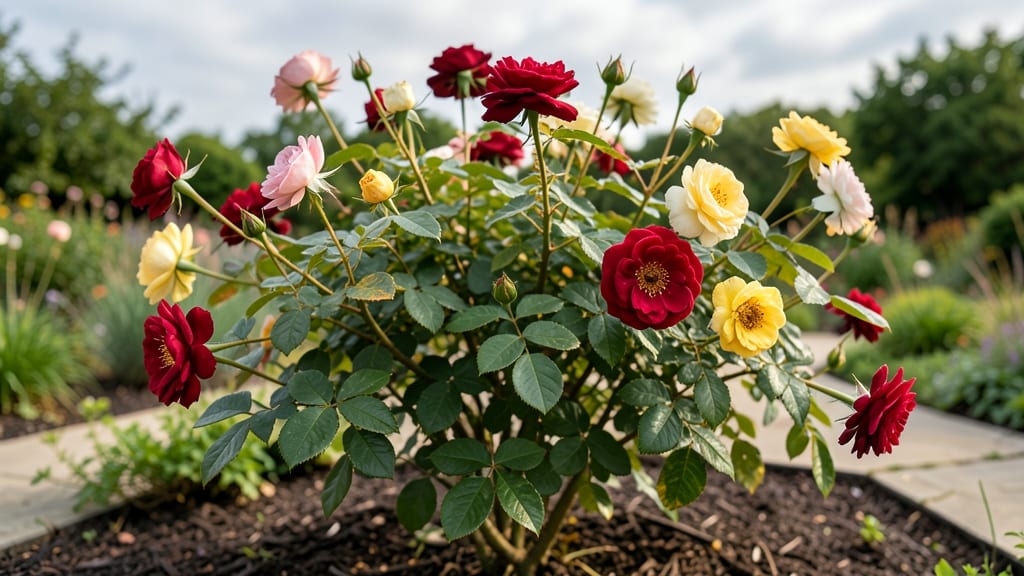
Your roses can bloom year-round with just a few simple tricks. ✨ The secret isn’t fancy tools—it’s understanding how these plants really grow.
I’ve turned my once-sparse bushes into lush, repeat-blooming powerhouses by focusing on three key habits: pruning at the right time, feeding them properly, and keeping their roots happy.
Most gardeners overcomplicate rose care, but the basics are foolproof once you know the rhythm. Start with well-draining soil, place them where they get at least 6 hours of sun daily, and water deeply but infrequently—think 1 inch per week (more in extreme heat).
The biggest mistake? Pruning at the wrong time or too aggressively. Done right, you’ll see new growth within weeks, not months.
By summer’s end, your bushes will be covered in blooms, and the fragrance will draw neighbors to your fence. The best part? These same techniques work for hybrid teas, floribundas, and even climbing varieties. No more sad, leggy stems—just vibrant, productive plants that reward your effort with stunning displays.
Ready to transform your roses? The first step is simple: grab your pruners and a notebook. We’ll cover the exact timing, cuts, and feedings that make the difference between a garden center bush and a showstopper. Let’s get growing!
📚 In This Guide
- What you need
- Instructions
- Tips and common mistakes
- Wrapping up and next steps
What you need
- ● Rose plants or cuttings: 1–3 healthy rose bushes (bare-root or potted) or 6–12 cuttings (4–6 inches long, with 3–5 buds). Choose disease-resistant varieties like Knock Out® or David Austin English Roses.
- ● Pruning tools: 1 sharp bypass pruners (for clean cuts).
- ● 1 pruning saw (for thick stems).
- ● 1 disinfectant (rubbing alcohol or bleach solution) (to sterilize tools between cuts).
- ● Planting supplies: 1–2 gallon containers (for cuttings) or a well-draining garden bed (6+ feet wide for mature bushes).
- ● 2–3 cups of potting mix (for cuttings) or compost-enriched garden soil (pH 6.0–6.5).
- ● 1 slow-release fertilizer (10-10-10 or rose-specific formula, 2–3 tbsp per plant).
- ○ Rooting hormone (optional but recommended): 1 small bottle (e.g., Rootone® or Dip ‘N Grow®).
- ● 1 mulch (2–3 inches of shredded bark or straw to retain moisture).
- ● 1 drip irrigation system or watering can (roses need 1–2 inches of water weekly).
- ● 1 plant support (stakes or cages for climbing roses).
- ● 1 spray bottle (for misting cuttings during rooting).
- ● 1 gardening gloves (to protect from thorns!).
Tips & tricks for perfect rose cultivation
Here's what nobody tells you about transforming your roses into blooming powerhouses—simple secrets that make all the difference.
Pruning Precision: When you're pruning in Step 1, look for buds that face outward—they'll grow away from the center, creating a fuller bush. I've found that making cuts ¼ inch above the bud is critical; any closer and water pools, inviting rot. Use a clean, sharp tool—dull pruners crush stems, stressing the plant. For stubborn branches, make a small notch just above your cut line to guide the new growth direction.
Fertilizer Timing: In Step 2, the key is patience with your 10-10-10 fertilizer. Work it into the top 2-3 inches of soil when you see those first green shoots—this gives roots time to establish before heavy feeding. I've learned the hard way that fertilizing too early can burn tender roots. Always water deeply after applying to help distribute nutrients evenly. For organic options, compost tea works wonders too—just dilute it to half-strength to avoid overfeeding.
Watering Wisdom: The 1-1.5 inch weekly watering rule in Step 3 is your baseline, but don't treat all roses equally. Container roses dry out faster—check their soil daily in summer. For established garden roses, the 2-inch soil test is foolproof: if it's dry at that depth, water. I've saved many roses by adjusting to heatwaves—twice-weekly watering becomes essential when temperatures hit 90°F. Always water at the base, never overhead, to prevent fungal spores from splashing onto leaves.
Winter Protection: When temperatures drop below 30°F in Step 5, your winter prep matters more than you think. The graft union is your plant's Achilles' heel—bury it completely with soil or mulch. For extra insurance in harsh climates, add a layer of straw over the mounded soil. I've seen roses survive -10°F with this method, though most won't need such extremes. The airflow you leave around the wrapped canes prevents moisture buildup that leads to rot during freeze-thaw cycles.
Pro Tips for Make Roses Grow
- Here's what nobody tells you about transforming your roses into blooming powerhouses—simple secrets that make all the difference.
- Pruning Precision: When you're pruning in Step 1, look for buds that face outward—they'll grow away from the center, creating a fuller bush.
- Fertilizer Timing: In Step 2, the key is patience with your 10-10-10 fertilizer.
Frequently asked questions
Got questions about growing roses like a pro? Here are some of the most common ones—and their simple, expert-backed answers!
How often should I prune roses for year-round blooms?
Prune roses twice a year: once in late winter or early spring (just before new growth starts) to shape the plant, and again in late summer or early fall to encourage a second flush of blooms. Avoid pruning in extreme cold or heat—aim for mild, dry days for best results.
Why aren’t my roses blooming, even after pruning?
Lack of blooms often means your roses need more sunlight, water, or nutrients. Ensure they get 6+ hours of direct sun daily, water deeply 1-2 times per week (more in heatwaves), and fertilize with a balanced rose food every 4-6 weeks. Over-pruning or under-pruning can also stunt flowers—stick to 1/3 of the plant’s height per prune.
Can I grow roses indoors or in containers?
Dwarf or patio roses thrive in containers with well-draining soil and a minimum 12-inch pot. Place them near a sunny window or under grow lights (12+ hours/day). Use a slow-release fertilizer and repot every 2-3 years to refresh the soil. Just watch for pests like spider mites—spray with neem oil if needed!
What’s the best way to prune dead or diseased branches?
Use sterilized pruners (wipe with rubbing alcohol) to cut 1/4 inch above a healthy bud or outward-facing growth. Remove any black, mushy, or moldy wood immediately to prevent spread. Dispose of diseased branches in the trash not the compost—don’t reuse the same tools on healthy plants!
Are there low-maintenance rose varieties for beginners?
Yes! Try Knock Out® roses (disease-resistant, blooms all season), David Austin English roses (fragrant, repeat-flowering), or Flower Carpet® roses (compact, ground-cover friendly). These varieties need less pruning and fewer pesticides—perfect for busy gardeners!
Wrapping up and next steps
Growing lush, blooming roses year-round is totally within your reach—just remember: pruning with purpose, patience, and a little love go a long way!
Start with the right tools, follow seasonal pruning techniques, and keep your roses healthy with proper care. Whether you’re a beginner or a seasoned gardener, every trim brings you closer to that stunning, fragrant garden you’ve always dreamed of. 🌹
Ready to take the next step? Pick a rose variety that thrives in your climate, grab your pruners, and get ready to transform your garden into a blooming masterpiece!