
Size
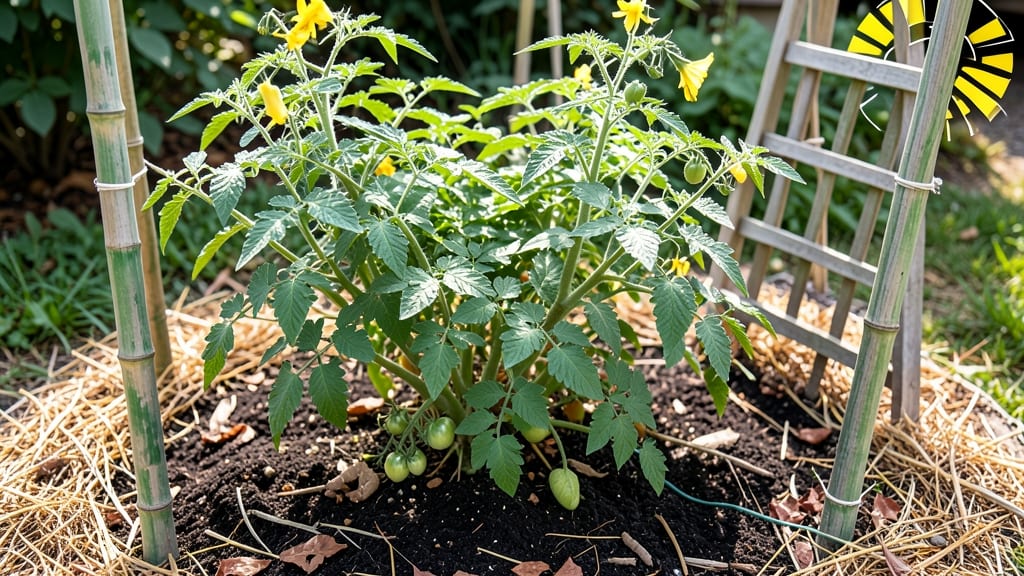
How to make tomato plants grow this season—just three things will double their size: sunlight, soil, and spacing. 🌱 I've watched leggy, struggling vines transform into sturdy, fruit-loaded powerhouses by fixing these basics first. The difference between a sad 3-foot plant and a bushy 6-footer often comes down to what's happening below the soil and how much sun they're getting.
Start with full sun—at least 6-8 hours daily—and rich, well-draining soil mixed with compost. Most gardeners skip the soil prep, but amending with aged manure or worm castings gives roots the nutrients they crave.
Spacing matters too: 18-24 inches apart for determinate varieties, 24-36 inches for indeterminate climbers. Crowded plants fight for sunlight and air, leading to weak growth and disease.
By summer, you'll see thicker stems, more leaves, and flowers turning into fruit faster. The key is consistency—water deeply 1-2 times per week (not daily shallow drinks) and prune suckers regularly to focus energy upward. Even my black thumb plants thrived after I stopped guessing and started measuring.
This works for both backyard gardens and containers, whether you're growing cherry tomatoes or beefsteaks. The same principles apply—just adjust spacing for pots. Let's get those vines bursting with potential!
📚 In This Guide
- What you need
- Instructions
- Tips and common mistakes
- Wrapping up and next steps
What you need
- ● Tomato seeds or seedlings: Choose heirloom or hybrid varieties (e.g., Cherry Tomatoes, Beefsteak, or Roma). Buy 5–10 seeds (or 3–5 seedlings) for a small garden.
- ● High-quality potting mix or garden soil: 10–15 lbs of well-draining, organic soil (pH 6.0–6.8). Mix in compost (2–3 cups) for nutrients.
- ● Containers or garden bed: Containers: 5-gallon pots (1 per plant) with drainage holes.
- ● Garden bed: 6–8 sq ft per plant (or 18–24 inches apart in rows).
- ● Fertilizer: Balanced organic fertilizer (10-10-10) or tomato-specific feed (follow package rates).
- ● Watering can or hose: With a gentle spray nozzle to avoid damaging stems.
- ● Pruning shears: For trimming suckers and dead leaves.
- ● Stakes or cages: 6–8 ft tall (bamboo, metal, or spiral) to support vines.
- ● Mulch (straw or shredded leaves): 2–3 inches thick to retain moisture.
- ○ pH test kit: To check soil acidity (optional but helpful!).
- ● Shade cloth: For seedlings if temps exceed 85°F (29°C).
Step-by-step instructions for boosting tomato plant growth
Here’s how I turn average tomato seedlings into vigorous, fruit-heavy plants—using proven sunlight, soil, and spacing techniques.
☀️ Step 1: Position for Maximum Sunlight Exposure
Tomatoes need at least 8 hours of direct sunlight daily, but I’ve found 10+ hours produces the strongest, most productive vines. Place your plants in the southernmost part of your garden or against a south-facing wall for maximum heat absorption. If growing in containers, rotate pots quarter-turn weekly so all sides receive even light.
Watch for leggy growth—thin, pale stems reaching toward light—this signals insufficient intensity. If you see this, move plants closer to the light source or supplement with a grow light positioned 6-12 inches above the plants. Strong stems develop when leaves are deep green and compact, not stretched apart.
🌱 Step 2: Optimize Soil for Root Expansion
Tomatoes thrive in well-draining, nutrient-rich soil with a pH between 6.0 and 6.8. Before planting, mix 2-3 inches of compost into the top 6 inches of soil to encourage root spread. I also add a handful of bone meal at the base of each plant—this boosts phosphorus for strong root development.
Test soil moisture by pushing a finger 1-2 inches deep—if it feels dry, water deeply until moisture reaches 6 inches down. Overwatering causes root rot, so always let the top 1-2 inches dry out between waterings. Mulch with 2-3 inches of straw to retain moisture and regulate soil temperature.
🪴 Step 3: Space Plants for Airflow and Sun Penetration
Crowding stresses plants and spreads disease, so space determinate (bush) tomatoes 2-3 feet apart and indeterminate (vining) varieties 3-4 feet apart. If growing in containers, use 5-gallon pots minimum—smaller containers restrict root growth and reduce yield. Bury the lower 1/3 of the stem when transplanting to encourage extra roots along the buried section.
Prune suckers—those small shoots growing between the main stem and branches—weekly to redirect energy to fruit production. Remove leaves touching the soil to prevent blight and rot. You’ll know you’re doing it right when plants have strong, upright stems and fewer but larger leaves—signs of proper airflow and sunlight access.
✂️ Step 4: Train Vines for Maximum Productivity
Indeterminate tomatoes need support to climb—install cages, stakes, or trellises at planting time. Gently weave vines through the structure as they grow, tying them every 10-12 inches with soft plant ties. This prevents breakage and keeps foliage off the ground, reducing disease risk.
Pinch off the top flower clusters on indeterminate varieties until the plant reaches the support—this encourages stronger stem development before fruiting. Once vines are established, let them grow freely. You’ll see healthier fruit production when plants have multiple branches with evenly spaced leaves allowing sunlight to reach lower branches.
💧 Step 5: Water and Fertilize Strategically
Water deeply 1-2 times weekly, aiming for 1-1.5 inches of water per week. Use a soaker hose or drip irrigation to deliver moisture at the base of the plant, avoiding wet foliage. Early morning watering prevents fungal issues and ensures roots absorb moisture efficiently.
Fertilize every 3-4 weeks with a balanced 10-10-10 or 5-5-5 formula once flowers appear. Switch to a low-nitrogen, high-phosphorus fertilizer (like 0-10-10) when fruit sets to boost sweetness. You’ll know your plants are thriving when they produce dark green leaves, strong stems, and consistent blooms without excessive leafy growth.
Tips & tricks for bursting tomato vines
Common pitfalls—and how to sidestep every one—when transforming seedlings into powerhouse plants.
Light Intensity Secret: If you notice leggy seedlings reaching toward the light, it's not just about quantity—it's about quality. Supplementing with a grow light positioned 6-12 inches above the plants for 14-16 hours daily mimics summer sunlight intensity. I've seen seedlings go from weak to sturdy in just 5 days with this adjustment. The key is maintaining that distance—closer than 6 inches can scorch leaves, while farther than 12 inches won't provide enough energy.
Soil Preparation Technique: The 2-3 inches of compost recommendation isn't just about nutrients—it's about creating the perfect air-to-water ratio in the soil. I like to mix in 1 part compost to 3 parts native soil for optimal drainage. For container growers, use a blend of 60% potting mix, 30% compost, and 10% perlite to prevent compaction. This texture allows roots to spread easily while preventing waterlogging, which is critical for preventing blossom-end rot later in the season.
Support System Breakthrough: When installing cages or stakes, bury them at least 12 inches deep—this creates stability that prevents toppling during wind or heavy fruit loads. For indeterminate varieties, I've found that using two stakes per plant (one on each side) provides better support than single cages. This also makes pruning and training vines easier as the plant grows taller. The every 10-12 inches tying recommendation works best when you use soft plant ties that won't cut into the stems as they thicken.
Fertilizer Timing Strategy: The switch from balanced to high-phosphorus fertilizer should happen precisely when you see the first flower clusters appear. I've learned this the hard way—adding phosphorus too early can actually inhibit flowering. For container plants, I recommend using half-strength fertilizer the first time you feed them, as the concentrated roots in containers can be sensitive to sudden nutrient spikes. This gradual approach prevents nutrient burn while still promoting strong growth.
Pro Tips for Make Tomato Plants Grow
- Common pitfalls—and how to sidestep every one—when transforming seedlings into powerhouse plants.
- Light Intensity Secret: If you notice leggy seedlings reaching toward the light, it's not just about quantity—it's about quality.
- Soil Preparation Technique: The 2-3 inches of compost recommendation isn't just about nutrients—it's about creating the perfect air-to-water ratio in the soil.
Frequently asked questions
Got questions about growing lush, productive tomato plants? You’re not alone! Here are answers to the most common queries to help you cultivate thriving vines with confidence.
How often should I water tomato plants?
Water tomato plants deeply 1-2 times per week, aiming for about 1-1.5 inches of water. Avoid shallow watering—let the top inch of soil dry out between sessions. Pro tip: Water at the base (not leaves) to prevent disease. Mulch helps retain moisture!
When is the best time to plant tomatoes?
Plant tomatoes after the last frost date when soil temps reach at least 60°F (15°C). Start seeds indoors 6-8 weeks before transplanting for a head start. Warm soil and air are key—cold stress stunts growth!
Can I grow tomatoes in containers?
Use 5-gallon pots or larger for dwarf varieties (like ‘Tiny Tim’) or 10+ gallons for indeterminate types. Ensure pots have drainage holes and fill with well-draining potting mix. Bonus: Containers warm up faster in spring!
Why are my tomato leaves turning yellow?
Yellow leaves often signal overwatering, nutrient deficiency (like nitrogen), or pests (e.g., aphids). Check soil moisture, adjust watering, and fertilize with a balanced 10-10-10 formula. Inspect leaves for bugs—neem oil can help!
How do I prune tomato plants for better growth?
Prune indeterminate tomatoes by removing suckers (side shoots in leaf axils) to focus energy on fruit. For determinate types, minimal pruning is needed—just trim dead leaves. Warning: Over-pruning reduces yield, so keep it light!
Wrapping up and next steps
Growing thriving tomato plants is all about patience, consistency, and a little green thumb love! 🌱 By mastering the basics—like giving them plenty of sunlight, nutrient-rich soil, and proper spacing—you’ll soon be rewarded with juicy, vine-laden plants that produce like champs.
Remember, every gardener starts somewhere, so don’t stress over mistakes—just keep learning and adapting.
Now that you’re armed with these sunshine secrets, why not take the next step? Try experimenting with heirloom varieties or share your progress with fellow gardeners online. Happy planting—your future tomatoes are waiting! 🍅✨