
Container Gardens
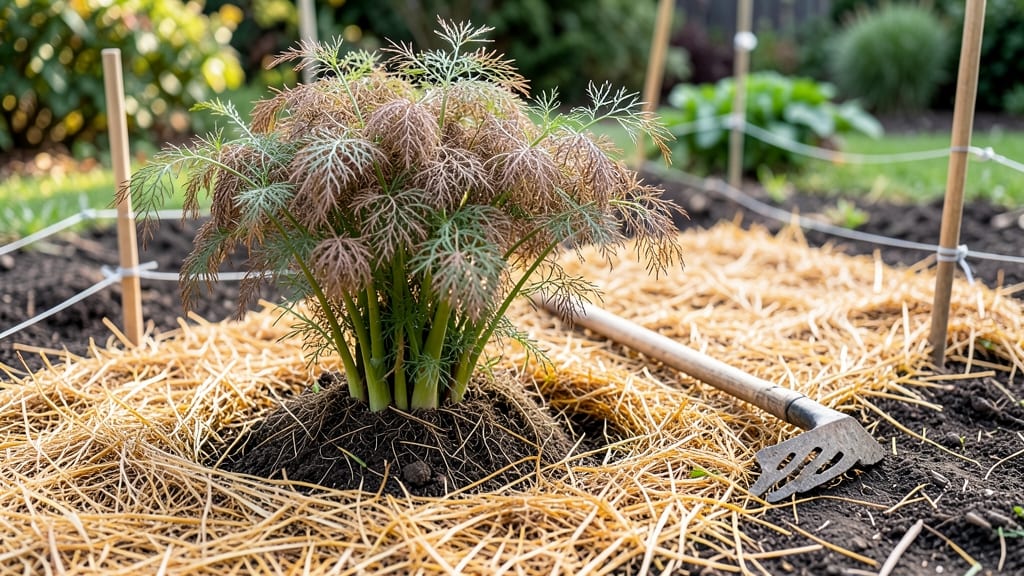
Overwintering asparagus means next year’s harvest starts now. ✨ Those thick, woody crowns you’ve been nurturing all season hold the secret to years of spears—if you protect them right. I’ve watched asparagus crowns survive winters that would kill other perennials, and the key is simple: timing, mulch, and patience.
The first step is cutting back the fronds to 3-4 inches above the ground after the first hard frost. This prevents rot and lets the plant focus energy on the crown. Then, add 4-6 inches of straw or shredded leaves as mulch—it’s like tucking the plant into a warm blanket.
The goal is to keep the soil 30-40°F all winter, which in cold climates might mean extra mulch or even a small mound of soil over the crown.
By spring, you’ll see new shoots pushing through soil that’s warmer and more fertile than before. The crowns stay vigorous, producing spears for 10+ years with proper care. No more struggling with weak harvests—just consistent, reliable growth that makes every winter effort worthwhile.
Mild winters? Reduce mulch to 2-3 inches to avoid overheating. Heavy snow? Let it pile naturally—it’s free insulation. The biggest mistake? Skipping the mulch or cutting too late. Do it right, and your asparagus will reward you with thicker crowns and bigger harvests every year.
📚 In This Guide
- What you need
- Instructions
- Tips and common mistakes
- Wrapping up and next steps
What you need
- ● Asparagus crowns: Healthy, disease-free crowns (1-2 per 6-inch pot or 3-4 per square foot in garden beds).
- ● Well-draining potting mix: 5-10 gallons, rich in organic matter (avoid heavy clay soil).
- ○ Containers (optional for garden beds): Plastic pots (12-18 inches deep, with drainage holes).
- ● Fabric grow bags (10-15 gallons, breathable material).
- ● Mulch: 2-4 inches of straw, shredded leaves, or pine needles (organic, weed-free).
- ● Garden twine or burlap: For securing crowns or creating windbreaks.
- ● Pruners or sharp knife: Sterilized, for trimming damaged foliage.
- ● Watering can or hose with gentle spray nozzle: For hydration without disturbing crowns.
- ● Cold frames or low tunnels: Protects crowns in extreme climates (use clear plastic or hoop houses).
- ● Row covers or frost cloth: Lightweight fabric to shield from late frosts (cut to size).
- ● Compost or aged manure: Mix 1 cup per container for extra nutrients.
- ● Soil thermometer: Monitor ground temps (ideal overwintering range: 32–40°F).
- ● Label markers: To track varieties (e.g., "Mary Washington" or "Purple Passion").
Tips & tricks for perfect asparagus overwintering
Took me years of trial and error to perfect these asparagus survival tricks—here's how to avoid the most common mistakes that ruin crowns.
Timing is Everything: The first frost is your cue, but don't rush—wait until the fronds are completely blackened. I learned this the hard way after cutting too early and losing crowns to late-season regrowth. That 2-inch cut height above soil line is critical: any lower risks rot, any higher leaves too much energy in the crown for dormancy.
Mulch Selection Matters: Straw is my go-to because it breaks down slowly while maintaining airflow, but shredded leaves work too. Avoid pine needles if your soil is acidic—test your soil first. The key is maintaining that 4-6 inch thickness throughout winter. I've seen mulch compress to 2 inches by spring, leaving crowns vulnerable to freeze-thaw damage.
Wind Protection Strategy: In exposed areas, I've had success with a simple wire mesh cage covered with burlap—it blocks windburn without trapping moisture. The goal is to mimic natural snow cover. For extreme wind zones, consider a small hoop house with ventilation holes. This extra protection can mean the difference between healthy crowns and winter-killed plants.
Spring Removal Cues: That 50°F soil temperature is your target, but I use daffodils as my natural indicator—they bloom when it's safe to remove mulch. Early removal exposes crowns to late frosts that stunt growth. Patience here pays off with thicker spears next season.
Pro Tips for Overwinter Asparagus
- Took me years of trial and error to perfect these asparagus survival tricks—here's how to avoid the most common mista...
- Timing is Everything: The first frost is your cue, but don't rush—wait until the fronds are completely blackened. I l...
- Mulch Selection Matters: Straw is my go-to because it breaks down slowly while maintaining airflow, but shredded leav...
Frequently asked questions
Got questions about overwintering asparagus? You’re not alone—this cold-hardy perennial can be tricky if you’re new to it. Below, we’ve rounded up the most common concerns and practical tips to help you keep your asparagus thriving through winter and beyond.
Can I overwinter asparagus in containers?
Yes! Asparagus grows well in containers, but overwintering requires extra care. Move pots to a sheltered, unheated garage or basement where temps stay between 25–40°F (-4 to 4°C). Use insulating materials like straw or burlap to protect crowns. Avoid freezing soil—root damage can kill the plant.
When should I stop harvesting asparagus before winter?
Stop harvesting 6–8 weeks before your first hard frost to allow foliage to photosynthesize and store energy for next year. Cut spears only until the fronds turn yellow or brown naturally. This ensures strong crowns for spring regrowth.
What if my asparagus crowns freeze over winter?
Don’t panic! Asparagus crowns can tolerate light freezing, but severe ice damage may kill them. If you notice blackened or mushy crowns in spring, trim away the damaged parts and replant healthy sections. Mulch heavily next winter to prevent future issues.
Do I need to water asparagus in winter?
Water sparingly—only if the soil is bone-dry. Overwatering can lead to rot, especially in containers. Aim for 1–2 deep waterings per month during mild winters. Reduce further if stored in a dry, cool space like a basement.
Can I overwinter asparagus outdoors in cold climates?
Asparagus is hardy to Zone 3, but success depends on proper prep. Mound soil or mulch 6–8 inches high around crowns before winter to insulate roots. In extreme cold (< -20°F/-29°C), add a thick layer of straw or leaves for extra protection.
Wrapping up and next steps
Overwintering asparagus is all about giving your plants the care they need to thrive come spring—and you’ve got this! 🌱 With the right preparation—like mulching, protecting crowns, and monitoring moisture—you’ll set the stage for a bountiful harvest in 2025.
Remember, patience and consistency are key, but the reward is worth it: homegrown asparagus for years to come.
Ready to take the next step? Plan your spring planting schedule now or dive into container gardening tips to maximize your asparagus patch’s potential. Happy gardening!