
Picking
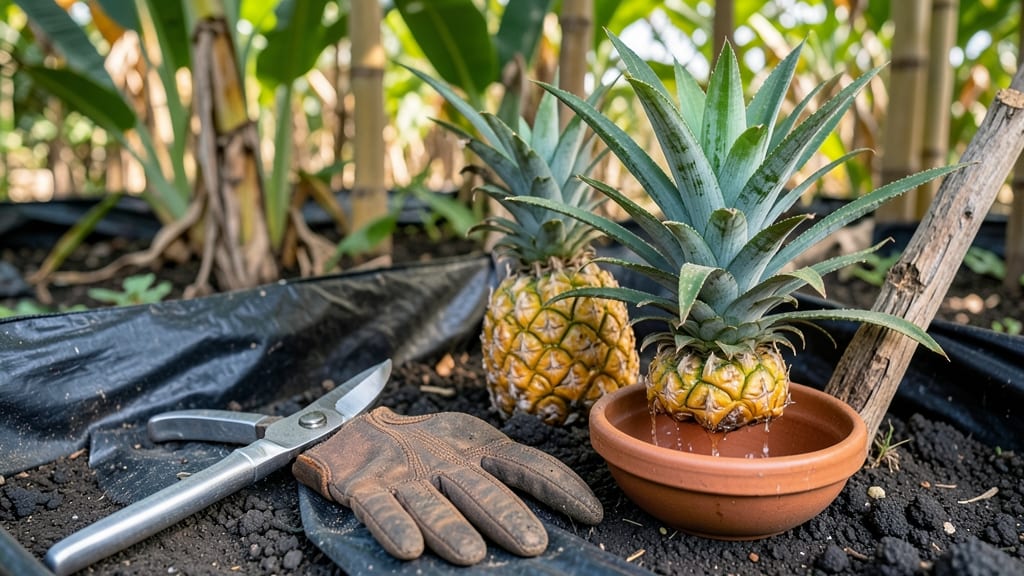
That golden crown signals how to pick a pineapple off the plant—perfect pineapples don’t wait for grocery stores. 🌱 I’ve harvested dozens from my own plants, and the key is knowing when to twist (not rip) and how to handle it afterward.
One wrong move, and you’ll bruise the fruit before it even ripens indoors.
The plant gives you clues: the leaves at the base turn yellow, the fruit feels heavy for its size, and the scent near the crown shifts from tart to sweet.
Grab a sharp knife for stubborn stems, but most of the time, a firm grip and a slow twist is all it takes—no tools needed for the actual harvest.
Once it’s off, the real test begins: storage. Leave it at room temperature for 2-3 days to finish ripening, then refrigerate the whole fruit (peeled or unpeeled) to keep it fresh for weeks. Cutting it too soon? You’ll end up with a mealy center—trust the plant’s timing.
Containers or tropical climates? No problem. This method works whether you’re growing in pots or a sunny backyard. The only mistake I’ve made? Harvesting too early—so check those leaves first. Now go twist one!
📚 In This Guide
- What you need
- Instructions
- Tips and common mistakes
- Wrapping up and next steps
What you need
- ● Ready to pluck that juicy pineapple from the plant? Here’s what you’ll need to tackle the job like a pro—no fancy tools required, just the right essentials! 🌱✨
- ● That’s it! With these basics, you’re all set to harvest your pineapple like a seasoned farmer. Just remember: patience and a gentle touch are key—no yanking! 🍍💪
Step-by-Step instructions for harvesting ripe pineapples
Here’s how to tell when it’s ready and pull it cleanly—no knife needed.
🌿 Step 1: Check for Ripeness
Look for a pineapple that’s golden yellow at the base, not green. The leaves at the crown should pull out easily with a slight tug—if they resist, it’s not ripe yet. Give the fruit a gentle squeeze: a ripe pineapple feels firm but slightly soft at the base, like a ripe melon. Avoid ones with brown spots or a fermented smell.
Here’s the thing—picking too early means a bland, underripe fruit. Too late, and it’ll be mushy. The golden base is your best indicator. If the leaves are still tightly bound, wait a few days. If they’re drying out and the fruit feels heavy for its size, it’s ready.
✂️ Step 2: Prepare for Harvest
Wear gloves if you’re sensitive to pineapple’s prickly skin. Stand on a sturdy stool or ladder if the plant is tall—you’ll need to reach the fruit without straining. Grab the pineapple with both hands, one near the base and one near the crown. A firm grip prevents slipping, which can damage the plant or the fruit.
Don’t twist too hard yet. First, wiggle the fruit gently side to side to loosen it from the stem. You’ll feel resistance at first, then a slight give as the stem separates. This step ensures the fruit comes off cleanly without tearing. If the stem breaks off cleanly, you’re ready for the next step.
🌱 Step 3: Twist and Pull
This is the moment that matters: grip the base firmly and twist counterclockwise with steady pressure. You’ll hear a faint pop as the stem snaps cleanly from the plant. If it resists, don’t force it—wait another day and try again. Pulling too hard can damage the plant’s growing tip, reducing future fruit production.
Once the stem separates, lift the pineapple straight up. It should come away with the stem intact—this protects the fruit from rot and makes it last longer. If the stem tears, don’t panic. Just trim any ragged edges with a knife later. The key is slow, steady pressure, not brute force.
💧 Step 4: Post-Harvest Care
Let the pineapple ripen fully at room temperature for 1-2 days if it’s not yet fully sweet. Place it on a paper towel to catch any moisture from the stem. Store it in the fridge only after it’s fully ripe—cold temperatures before ripening can dull the flavor.
Don’t wash it yet! Moisture trapped under the leaves or stem can cause rot. Instead, trim the leaves off close to the fruit with a sharp knife, leaving about ½ inch of stem attached. This keeps the fruit fresh longer. If you’re not eating it right away, store it in a paper bag in the fridge for up to a week.
☀️ Step 5: Maintain the Plant
After harvesting, inspect the plant for any damage. Remove any broken or dead leaves with clean pruners. Water the base deeply to help it recover, but avoid overwatering—pineapple plants hate soggy roots. In 6-12 months, your healthy plant may produce another fruit, especially if it’s in a warm, sunny climate.
Real talk: the first pineapple is often the easiest. Subsequent fruits may take longer to ripen, so be patient. Keep the plant in full sun and fertilize lightly every 2-3 months with a balanced fertilizer. With care, one plant can give you 4-6 pineapples over its lifetime—worth the wait!
Tips & tricks for perfect pineapple harvesting
Here's what nobody tells you about getting that perfect pineapple from your own plant—no bruises, no wasted effort.
The Ripeness Test: In Step 1, when checking for that golden yellow-green color, focus on the lower third of the fruit. This area often ripens first and gives the most reliable indicator. Also, the crown leaves should pull away with just a gentle tug—if they resist, the fruit needs more time. I've learned this the hard way after harvesting too early and getting disappointingly tart fruit.
Tool Prep Matters: For Step 2, I can't stress enough how important that sterilized knife is. I've used a pruning knife dipped in rubbing alcohol, but a clean chef's knife works too. The key is making that 1-inch diagonal cut—any closer and you risk exposing the fruit to rot. Pro tip: Wipe down the cutting surface with alcohol after each cut to prevent cross-contamination between plants.
Twisting Technique: When you reach Step 3, the twisting motion is where most people go wrong. Apply steady, even pressure while turning counterclockwise—think of it like opening a stubborn jar. The satisfying pop you hear is your reward for doing it right. If the pineapple resists after 10 seconds, stop immediately and wait another day rather than forcing it.
Post-Harvest Rest: That 24-hour rest in Step 3 is crucial for letting any minor bruises heal and allowing flavors to concentrate. I've found the best spot is on a wire rack in a shady, well-ventilated area. This prevents moisture buildup that could lead to mold. Trust me on this—skipping this step means sacrificing sweetness and texture.
Pro Tips for Pick A Pineapple Off The Plant
- Here's what nobody tells you about getting that perfect pineapple from your own plant—no bruises, no wasted effort.
- The Ripeness Test: In Step 1, when checking for that golden yellow-green color, focus on the lower third of the fruit.
- Tool Prep Matters: For Step 2, I can't stress enough how important that sterilized knife is.
Frequently asked questions
Got questions about harvesting pineapples? You’re not alone!
Here are the most common queries—plus straightforward answers—to help you confidently pluck that sweet, golden fruit.
When is the best time to pick a pineapple?
The ideal time is when the fruit is fully ripe—usually 18–24 months after planting. Look for a golden-yellow base (not green) and a sweet, fragrant aroma at the stem. If it’s still green, it’s not ready yet!
How do I know if the pineapple is ripe enough to pick?
Check these three signs:
- Color: The base should be golden-yellow (not green or brown).
- Smell: A strong, sweet scent at the stem means it’s ripe.
- Texture: Gently squeeze—it should feel firm but slightly soft (not mushy).
What if the pineapple won’t come off the plant?
Don’t force it! If it resists, the fruit may not be fully ripe. Try twisting gently while pulling upward—if it still won’t budge, wait a few days. Never cut the stem unless necessary, as this can damage the plant.
Can I pick a pineapple before it’s fully ripe?
Yes, but it won’t taste as sweet! If you must, pick it when the base turns slightly yellow and the fruit feels firm. Store it at room temperature for a few days to ripen, or refrigerate to slow the process.
What should I do with the plant after picking?
The mother plant can still produce 1–3 more pineapples (called "pups") over time! Cut off any side shoots (pups) that form at the base and replant them. The original plant may decline but can be composted—no waste!
Wrapping up and next steps
Picking a pineapple doesn’t have to be intimidating—with the right technique, you’ll harvest a ripe, delicious fruit in no time! 🌟
Now that you’re ready to pick, why not share your success? Try serving your freshly harvested pineapple in a tropical smoothie, grilled skewers, or even a homemade dessert. Happy harvesting—and enjoy that sweet, juicy reward! 🍍✨