
How To
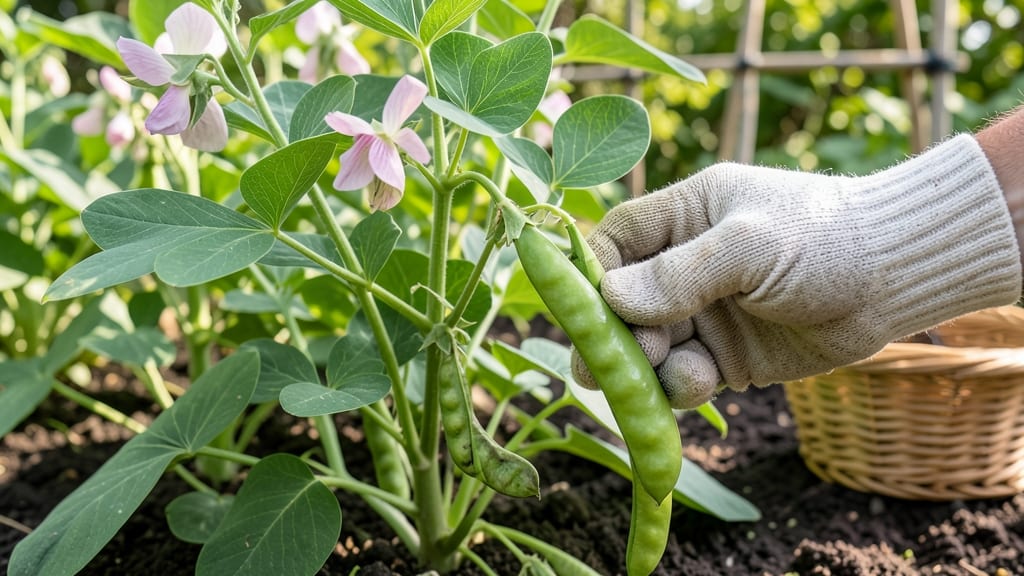
There’s nothing worse than biting into a pea that’s either too tough or past its prime—the difference between a crisp, sweet snap and a mealy disappointment comes down to how to know when peas are ready to pick.
Most gardeners assume you just wait until the pods look "big enough," but that’s where they go wrong. The real secret lies in a mix of visual cues—like pod size and color—and a simple tactile test that tells you when those peas are at their peak.
Whether you’re growing sugar snaps, shelling peas, or something in between, these tricks will help you pick at the perfect moment every time.
Let’s break down the exact steps to check your peas, from the shelling test (yes, you can tell by touch!) to the color changes that signal it’s time to harvest.
You’ll also learn why regular picking keeps your plants producing—and how to avoid common mistakes that ruin flavor faster than you can say "overripe." Ready to go from guessing to garden-fresh perfection?
Grab your gloves and let’s dive into the foolproof way to know when your peas are begging to be picked.

The shelling test: how to check pea maturity by touch and size
Peas are at their peak when you can perform what gardeners call the shelling test. This simple touch-and-feel method helps determine if your peas—whether shelling peas, snap peas, or sugar snaps—are ready to pick.
The key is balancing pod firmness and seed development to avoid overripe or underripe harvests.
For shelling peas, the goal is to pick pods when the peas inside are fully formed but still tender. If you wait too long, the peas inside become tough and mealy, ruining the buttery texture we all love.
Start by gently squeezing the pod between your thumb and forefinger—it should feel firm yet slightly yielding, like a ripe avocado.
Here’s how to perform the shelling test step-by-step:
Pro tip: Harvest shelling peas in the morning when temperatures are cooler. This ensures the peas inside are at their freshest and sweetest. For snap peas, pick them when the pods are still crisp and vibrant—they lose their snap as soon as they’re overripe.
Regular harvesting is crucial—peas produce continuously, and picking them every 2-3 days encourages more pods to form. If you miss the window, the plant will redirect energy to seed production, leaving you with tough, dry peas.
One common mistake is assuming all peas ripen at the same time. Dwarf varieties mature faster than standard vining peas, so check your plants daily during peak harvest season (usually 60-75 days after planting).
For yellow peas, like those in the Golden Sweet variety, the color change is your cue—the pods turn from green to golden yellow when ready. But don’t rely solely on color; always combine it with the shelling test for accuracy.
Pea color and growth stage indicators for perfect harvest timing
Pea pods change dramatically as they mature, and their color and growth stage are your best clues for timing the harvest. Unlike leafy greens, peas rely on both visual cues and physical development to signal peak ripeness.
For example, green peas (the most common) start as pale, barely visible buds and darken to a vibrant sage or deep green as they ripen.
One key visual difference is the pod shape. Early-stage pods are straight and thin, while ripe pods develop a slight curve or bulge where the seed sits.
This bulge is your green light—it means the pea inside is plump and ready to eat. Yellow peas, like the Wando variety, follow a similar pattern but turn a golden-yellow hue instead of green.
🌱 Pea Variety Maturity Guide
| Variety | Pod Color | Size at Ripeness | Key Cue |
|---|---|---|---|
| Sugar Snap Peas | Bright green | 3-4 inches | Thick, crisp pods with visible seeds |
| Snap Peas | Deep green | 2-3 inches | Slightly curved, firm pods |
| Shelling Peas | Sage green | 1.5-2.5 inches | Pods yield slightly when pressed |
| Yellow Peas (e.g., Wando) | Golden-yellow | 2 inches | Seeds visible through translucent skin |
Pay attention to the plant’s overall growth stage too. Pea vines produce pods in waves, starting from the bottom and working upward. If the lower pods are already overripe (wrinkled or dried out), it’s time to harvest the middle pods before they follow suit.
For heirloom varieties, like the classic Lincoln or Alaska, the pods may take 1-2 extra days to reach peak sweetness compared to hybrids.
Another pro tip: Check the vine’s flower production. If you see new blossoms opening daily but few pods forming, your plants may be stressed—either from overcrowding or nutrient deficiency. In this case, focus on harvesting existing pods to redirect the plant’s energy toward producing more.
For fall harvests, watch for cooler temperatures (below 70°F) which slow pea maturation. In these conditions, pods may stay smaller but sweeter, so prioritize taste over size. A quick taste test of a pod’s end is the ultimate judge—if it’s crisp and sweet, it’s ready!
Remember, regular harvesting (every 2-3 days) encourages more production. The more you pick, the more your pea plants will reward you with a continuous supply of fresh, flavorful pods all season long. 🌱