
Picking
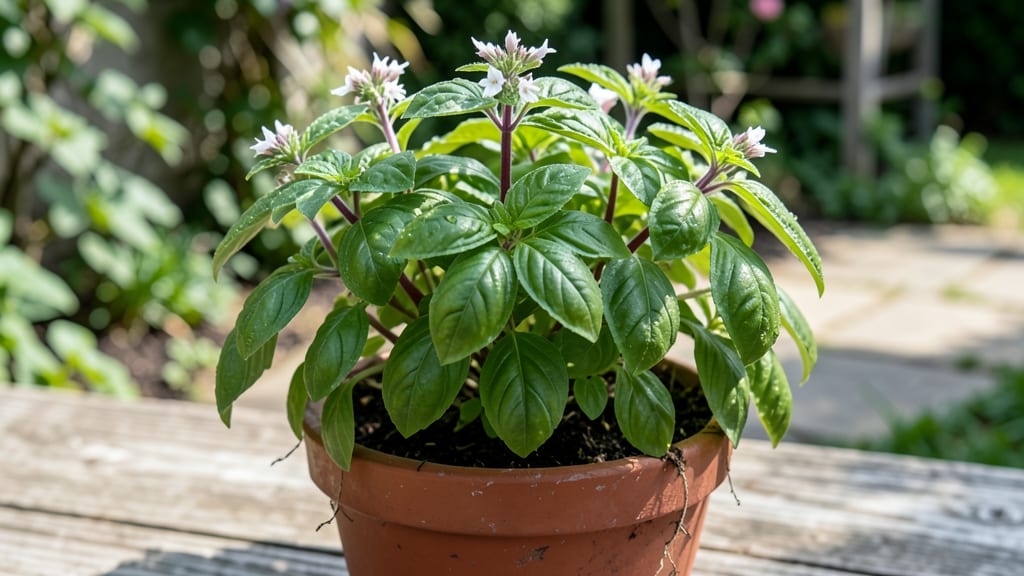
Picking the wrong plant feels like buying a winter coat in July—it just won’t work. 🌱 The right plant thrives in your space, while the wrong one struggles from day one.
I’ve learned the hard way that sunlight, soil, and climate matter more than how pretty the tag looks at the nursery.
Start by matching plants to your conditions: full sun vs. shade, sandy vs. clay soil, and your zone’s hardiness. Then inspect the plant itself—look for vibrant leaves, sturdy stems, and roots that aren’t tangled or mushy. A healthy transplant gives you a head start on a lush, productive garden.
For beginners, I recommend starting with easy winners like marigolds (great for pest control), cherry tomatoes (reliable producers), or hostas (low-maintenance shade plants). These give you confidence while teaching you what to look for in future picks.
Once you’ve mastered the basics, you’ll spot the perfect plant every time—no more guesswork, just thriving growth. Here’s how to make it happen without the trial-and-error headaches.
📚 In This Guide
- What you need
- Instructions
- Tips and common mistakes
- Wrapping up and next steps
What you need
- ● Pot or planter: 1-2 containers with drainage holes (size depends on plant type—check tags for guidance). Pro tip: 💡 Terracotta for succulents, fabric pots for flexibility.
- ● Potting soil: 1 bag (5-10 lbs) of high-quality, well-draining soil (e.g., African violet mix for tropicals, cactus mix for desert plants).
- ● Gloves: 1 pair (gardening or nitrile) to protect hands from dirt and thorns.
- ● Watering can or spray bottle: 1 (for gentle hydration—avoid soggy roots!).
- ● Pruning shears: 1 pair (sterilized with rubbing alcohol) for trimming dead leaves or overgrowth.
- ● Plant tag or label maker: 1 (to track plant care needs—trust me, you’ll forget!).
- ● Grow lights: 1-2 LED bulbs (for low-light plants or winter sun deprivation).
- ● Humidity tray: 1 (pebble tray + water for tropical plants like ferns or calatheas).
- ● Plant food/fertilizer: 1 bottle (balanced liquid fertilizer or slow-release granules).
- ● Support stakes or trellis: 1-2 (for vining plants like pothos or ivy).
- ● Plant mister: 1 (for delicate leaves or humidity-loving species).
- ● Sunlight meter/app: 1 (to measure light conditions—no guesswork! 🌞).
Instructions: how to pick a plant for your space
Picking the right plant means matching its needs to your environment—here's how to do it right.
🌱 Step 1: Assess Your Growing Conditions
Start by noting your space's natural conditions. Walk through your home or garden and observe light levels—is it bright and sunny, dim, or somewhere in between? Take notes on temperature fluctuations, especially near windows or doors where drafts might occur. I always check for humidity too; bathrooms and kitchens often have higher moisture levels that suit tropical plants.
Measure the size of your available space. A small windowsill won't work for a mature fern that needs 2 feet of width, while a large patio can handle a 6-foot-tall ornamental grass. Pay attention to ceiling height too—some plants like palms grow tall and need vertical clearance. This step prevents buying a plant that will outgrow its home in months.
☀️ Step 2: Match Plants to Light Requirements
Most plant tags list light needs as full sun, partial sun, or low light. Full sun means 6+ hours of direct light daily, while partial sun is 3-6 hours. If your space gets only 2-3 hours, focus on low-light plants like snake plants or ZZ plants that thrive with indirect light.
Here's a quick trick: Hold a piece of paper near your potential planting spot. If it casts a sharp shadow, it's full sun. A soft, fuzzy shadow means partial sun. No shadow? That's low light. I always test for a week first—plants can adapt slightly, but light requirements are non-negotiable for long-term success.
💧 Step 3: Check Watering Needs vs. Your Routine
Some plants need water every 2-3 days, while others like cacti go weeks between drinks. Before buying, ask yourself: Can I commit to the plant's watering schedule? Overwatering kills more plants than underwatering, so if you travel often, choose drought-tolerant succulents or snake plants that store water in their leaves.
I like to test a plant's water needs by observing its leaves. Wrinkled or drooping leaves mean it's thirsty, while yellowing or mushy stems signal overwatering. If you're forgetful, pick plants with thick, fleshy leaves—they're built to handle occasional dry spells. For frequent waterers, opt for plants like pothos or peace lilies that thrive with consistent moisture.
🪴 Step 4: Consider Plant Size and Growth Habits
Check the plant's mature size on the tag or research it online. A 1-gallon plant might look small now, but it could reach 6 feet tall in a few years. Measure your space again—will the plant fit without crowding furniture or blocking walkways? I always leave 12-18 inches of clearance around mature plants to avoid future pruning headaches.
Also, think about growth habits. Vining plants like ivy need trellises or shelves, while bushy plants like fuchsias spread outward. If you're new to gardening, start with compact, slow-growing plants like succulents or dwarf varieties. They're forgiving and won't overwhelm your space or schedule.
✂️ Step 5: Test for Pest and Disease Resistance
Some plants are magnets for pests like spider mites or aphids, while others have natural resistance. Before buying, research common issues for the plant you're considering. I avoid ferns in dry climates—they attract spider mites, and treating infestations can be a hassle. Instead, I opt for pest-resistant plants like lavender or rosemary that repel pests naturally.
Look for healthy, vibrant plants at the nursery. Avoid anything with yellow leaves, brown spots, or webbing—these are red flags for disease or pests. A good rule of thumb: If the plant looks perfect, it probably is. I also check the soil for moisture and pests before bringing it home. A quick inspection now saves weeks of frustration later.
Tips & tricks for perfect plant selection
Here's what nobody tells you about choosing plants that actually thrive in your space.
Light Testing Hack: After your week-long light test in Step 2, take a photo of your space with a phone camera. Compare it to reference images of full sun, partial sun, and low light plants. I keep a digital "light map" of my home—it's saved me from buying plants that would die within weeks. The paper shadow trick works, but photos give you a permanent record to reference later.
Size Reality Check: In Step 4, when you research mature plant sizes, add 25% to the listed height—most tags underestimate how large plants grow. I once bought a "compact" palm that reached my ceiling in two years. Measure your space again after accounting for this growth buffer, and consider ceiling fans or high shelves for tall plants if needed.
Watering Routine Alignment: Step 3's watering needs are crucial, but don't just match the plant to your schedule—match your schedule to the plant's natural rhythm. Most plants need water when the top inch of soil feels dry. I use a moisture meter for tricky plants, but even a wooden skewer works: Push it in and pull out—if it comes out clean, water's needed. This simple tool prevents overwatering disasters.
Pest Prevention Pro Tip: For Step 5's pest resistance, focus on plants with fuzzy or waxy leaves—these naturally repel insects. I always avoid plants with soft, tender leaves like ferns in dry environments. Before bringing any plant home, quarantine it for 2 weeks in a separate room. This early detection saves your entire collection if pests appear.
Pro Tips for Pick A Plant
- Here's what nobody tells you about choosing plants that actually thrive in your space.
- Light Testing Hack: After your week-long light test in Step 2, take a photo of your space with a phone camera.
- Size Reality Check: In Step 4, when you research mature plant sizes, add 25% to the listed height—most tags underestimate how large plants grow.
Frequently asked questions
Got questions about picking the perfect plant? You’re not alone! Here are some of the most common concerns—and straightforward answers—to help you feel confident before you start.
What’s the best time of year to pick a plant?
For most plants, spring or early fall is ideal—when temperatures are mild, and the plant isn’t stressed by extreme heat or cold. Avoid picking during frost or peak summer heat unless you’re transplanting shade-loving species like ferns or hostas.
How do I tell if a plant is healthy enough to transplant?
Look for vibrant leaves (no yellowing or browning), firm stems (not mushy or brittle), and roots that aren’t circling tightly in the pot. Avoid plants with wilting, pests, or signs of disease—these are red flags for poor survival.
Can I pick a plant from the wild and transplant it?
Only if it’s non-invasive and legal in your area! Check local regulations first—some native plants are protected. If you’re unsure, opt for nursery-grown plants, which are already acclimated to cultivation and less likely to spread unpredictably.
What if my picked plant doesn’t survive after transplanting?
Don’t panic! Common causes include overwatering, poor soil drainage, or transplant shock. Next time, water deeply but infrequently, use well-draining soil, and avoid full sun for the first week. Hardening off (gradually exposing the plant to outdoor conditions) can also help.
Is it better to pick a plant from a big-box store or a local nursery?
Local nurseries often offer healthier, region-specific plants with expert advice, while big-box stores may have limited variety or poor-quality stock. If you’re on a budget, ask nursery staff for “bare-root” or “smaller” options—they’re often cheaper and just as viable!
Wrapping up and next steps
Picking the perfect plant is all about matching your lifestyle, space, and care level to the right green friend! 🌱 Whether you’re drawn to low-maintenance succulents, sun-loving blooms, or shade-tolerant ferns, the key is confidence in your choices—trust your instincts and start small.
Once you’ve found your match, the real magic happens in nurturing it to thrive.
Ready to take the next step? Visit your local nursery or browse trusted online plant shops to start browsing—your future plant family is waiting! 🌿