
Picking
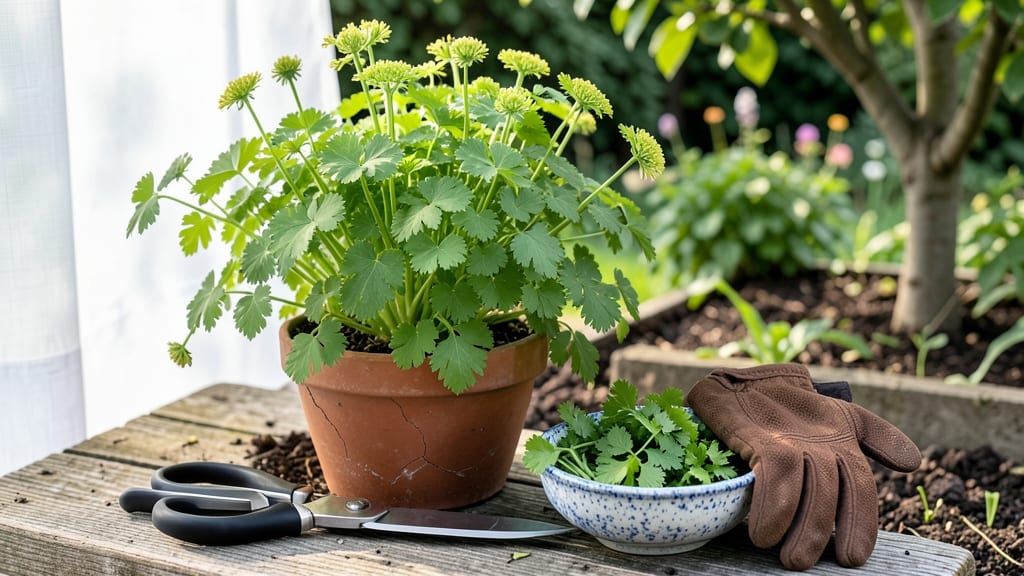
How to pick parsley so it keeps growing—without turning your thriving plant into a stub—is all about precision, not quantity. ✨ The secret to continuous harvests lies in how—and when—you snip, not just how much. I’ve learned the hard way that aggressive cutting leads to leggy, sparse regrowth, while gentle, strategic harvesting keeps parsley bushier and more productive than store-bought bundles.
Focus on outer leaves first—never the center—and always use clean, sharp scissors to avoid crushing stems. Cut just above a leaf node (that little bump where leaves grow) to encourage new shoots.
If you’re harvesting stems, leave at least two-thirds of the plant intact, or you’ll stunt future growth for weeks.
Timing matters too: pick parsley in the morning after dew has dried but before the heat of the day. Regular harvesting—every 2-3 weeks—triggers more leaf production, while skipping it lets the plant focus on flowering instead. The result? A parsley plant that keeps giving all season long.
Even with perfect technique, parsley can bolt in hot weather. If that happens, harvest the entire plant before seeds form—you’ll still get fresh flavor, and the roots might regrow if you replant cuttings. For continuous supply, succession plant every 4-6 weeks.
📚 In This Guide
- What you need
- Instructions
- Tips and common mistakes
- Wrapping up and next steps
What you need
- ● Sharp pruning shears or clean scissors – Dull blades can damage stems and invite disease. Opt for bypass pruners (4-6" blades) for precision.
- ○ Gloves (optional but recommended) – Nitrile or leather gloves protect hands from thorns (especially curly parsley) and soil bacteria.
- ● Watering can or hose with a gentle spray nozzle – For post-harvest hydration. Aim for 1–2 inches of water per week.
- ● Organic mulch (straw, shredded leaves, or grass clippings) – Spread 2–3 inches around the base to retain moisture and suppress weeds.
- ● Balanced fertilizer (10-10-10 or compost) – Use sparingly (per package instructions) to replenish nutrients after harvesting.
- ○ Notebook & pen (optional) – Track harvest dates, plant height, and regrowth patterns for future reference.
- ● Mature parsley plants – Wait until plants are at least 6–8 inches tall (4–6 weeks after transplanting) before first harvest.
- ● Morning sunlight exposure – Harvest in the early morning when herbs are hydrated and oils are most potent.
- ● Clear weather – Avoid harvesting after rain or when soil is waterlogged to prevent fungal issues.
Step-by-step instructions for harvesting parsley to encourage continuous growth
Here's the method I've used to keep parsley thriving for years—harvesting without sacrificing future growth.
✂️ Step 1: Wait Until Parsley Reaches Mature Height
Don't harvest until your parsley plants reach at least 6-8 inches tall—this ensures the root system is established enough to support regrowth. I always check for 5-7 sets of true leaves before making the first cut; this signals the plant has stored enough energy in its roots to recover. Younger plants will bolt or die back if harvested too early.
Look for sturdy stems and vibrant green leaves as your visual cue. If the leaves are still small and sparse, wait another week. Patience here prevents stunted growth later. I like to harvest in the morning after dew has dried—this gives the plant the full day to recover from any minor stress.
🌱 Step 2: Use the Right Technique to Stimulate Bushier Growth
Never cut more than one-third of the plant at a time, and always use clean, sharp scissors to avoid tearing stems. I make my cuts just above a set of leaves where the stem meets the main plant—this encourages new side shoots to grow from that node. Avoid cutting the main stem flush with the ground, as this removes the plant's energy source.
Focus on harvesting the outer leaves and stems first—this protects the inner growth points. You'll notice the plant naturally grows fuller and bushier within 2-3 weeks after proper harvesting. If you see leggy stems reaching upward, it's a sign you're cutting too much or not enough light is reaching the base.
💧 Step 3: Maintain Consistent Water and Fertility After Harvesting
Water the plant deeply within 24 hours of harvesting to replenish moisture lost during cutting. I use a watering can with a narrow spout to direct water to the base, avoiding the leaves to prevent fungal diseases. The soil should feel moist 1-2 inches down—not soggy, but never bone-dry.
After each harvest, add a balanced liquid fertilizer (like 10-10-10) diluted to half strength. This gives the plant a quick nutrient boost to recover and encourages stronger regrowth. I fertilize every 4-6 weeks during the growing season, but cut back in late summer to prevent tender new growth before frost.
☀️ Step 4: Monitor Light and Space for Optimal Regrowth
Parsley needs at least 6 hours of sunlight daily to recover well after harvesting. If your plants are growing leggy or pale, they're not getting enough light. I rotate my pots a quarter turn weekly to ensure even growth toward the sun. If you're growing in partial shade, supplement with a grow light for 4-6 hours daily during cloudy periods.
Thin crowded plants to 4-6 inches apart if they're growing too close together. Overcrowding leads to competition for nutrients and weakens regrowth. You'll see stronger stems and more vibrant leaves within 2-3 weeks of proper spacing and light adjustments.
⏰ Step 5: Time Your Harvests for Seasonal Success
Harvest parsley every 3-4 weeks during its active growing season (spring through early fall). In cooler climates, you can extend harvesting into late fall if temperatures stay above 40°F. I always stop harvesting 6-8 weeks before your first frost—this gives the plant time to harden off and store energy for next year.
If you're growing parsley indoors, you can harvest every 2-3 weeks year-round, but be extra vigilant about light and humidity. Watch for signs of stress like yellowing leaves or slow regrowth—these are your cues to adjust care immediately. With consistent harvesting techniques, your parsley will keep producing fresh leaves for months longer than if you cut it all at once.
Tips & tricks for perfect parsley harvesting
These practical insights will help you maximize your parsley's regrowth potential while avoiding common pitfalls that stifle future harvests.
The Growth Factor: When harvesting parsley, focus on the outer leaves and stems first—this protects the plant's central growth points. I've found that leaving the inner leaves intact allows the plant to redirect energy toward new growth from the base, resulting in bushier regrowth within 2-3 weeks. This technique mimics how parsley grows naturally in the wild, where only the outer leaves are consumed.
Timing Secret: The 24-hour watering window after harvesting is critical for recovery. I've learned this the hard way—skipping this step leads to wilted plants and stunted regrowth. Use a narrow-spout watering can to deliver water directly to the soil, avoiding the leaves to prevent fungal diseases like downy mildew. The soil should remain moist 1-2 inches down, which encourages root activity and nutrient uptake.
Light Optimization: Parsley's 6 hours of daily sunlight requirement is non-negotiable for optimal regrowth. If your plants appear leggy or pale, they're not getting enough light. I rotate my containers a quarter turn weekly to ensure even exposure. For indoor growers, supplement with a grow light for 4-6 hours daily during cloudy periods—this makes all the difference in maintaining vibrant growth.
Seasonal Strategy: In cooler climates, extend harvesting into late fall as long as temperatures stay above 40°F. I always stop harvesting 6-8 weeks before frost to allow the plant to harden off and store energy for next year. This timing ensures your parsley will bounce back stronger in spring. For indoor plants, maintain the every 2-3 weeks harvest schedule year-round, but watch for signs of stress like yellowing leaves—these are your cues to adjust care immediately.
Pro Tips for Pick Parsley So It Keeps Growing
- These practical insights will help you maximize your parsley's regrowth potential while avoiding common pitfalls that stifle future harvests.
- The Growth Factor: When harvesting parsley, focus on the outer leaves and stems first—this protects the plant's central growth points.
- Timing Secret: The 24-hour watering window after harvesting is critical for recovery.
Frequently asked questions
Got questions about keeping your parsley thriving after harvest? You’re not alone! Here are some of the most common concerns—and straightforward answers—to help you master the art of sustainable parsley picking.
When is the best time to harvest parsley for regrowth?
Harvest parsley in the morning after dew has dried but before the heat of the day. This ensures the leaves are crisp and fully hydrated, reducing stress on the plant. Avoid harvesting when the soil is soggy (like after heavy rain) or during extreme heat—both can stunt regrowth. Pro tip: If you must pick in the afternoon, trim leaves in the shade and water the plant afterward!
How much parsley can I cut without killing the plant?
Never remove more than ⅓ of the plant at once—this rule applies even to hardy parsley. Focus on the outer leaves first, leaving the inner, tender growth to fuel regrowth. For flat-leaf parsley, snip stems just above a set of leaves; for curly parsley, trim above a leaf pair to encourage bushier growth. Over-picking = stunted regrowth!
Why does my parsley stop growing after harvesting?
Parsley may slow down due to over-harvesting, poor soil nutrition, or stress (like drought or pests). First, check the roots—are they healthy and moist? If not, water deeply and add compost. If the soil lacks nutrients, feed it with a balanced fertilizer (like 10-10-10) every 4-6 weeks. Yellowing leaves? That’s a sign of nitrogen deficiency—time for a boost!
Can I harvest parsley in winter, or will it die?
Parsley is a hardy biennial, meaning it can survive mild winters (down to 20°F/-7°C) if protected. In colder climates, mulch the base with straw or leaves to insulate roots. Avoid harvesting in freezing temps—wait until spring when growth resumes. Bonus: Winter’s chill actually sweetens the flavor, so patience pays off!
What’s the difference between harvesting parsley for regrowth vs. full harvest?
For regrowth, always use sharp scissors or pruners and cut just above a leaf node (the bump where leaves meet the stem). This encourages new shoots. For a full harvest (like when transplanting or sharing), dig up the entire plant—but leave a few inches of root to replant if desired. Key difference: Regrowth = precision cuts; full harvest = the whole plant!
What if my parsley bolts before I can harvest it?
Bolting (sending up a flower stalk) happens when parsley senses heat or stress. To delay it, keep soil consistently moist, provide afternoon shade in hot climates, and avoid over-fertilizing with nitrogen. If it bolts, you can still harvest leaves before flowers form—but save seeds for next year! Preventative tip: Plant parsley in spring or fall for cooler growing conditions.
Wrapping up and next steps
Picking parsley the right way isn’t just about snagging fresh herbs—it’s about encouraging lush, continuous growth for a bountiful harvest all season long. 🌱 By following these simple tricks—like cutting from the outside, leaving the center intact, and watering wisely—you’ll turn your parsley into a thriving, self-renewing plant.
Now that you’re armed with the know-how, grab those shears and get growing! Ready to experiment? Try planting a few more varieties and compare their regrowth—your kitchen (and taste buds) will thank you!