
Pests
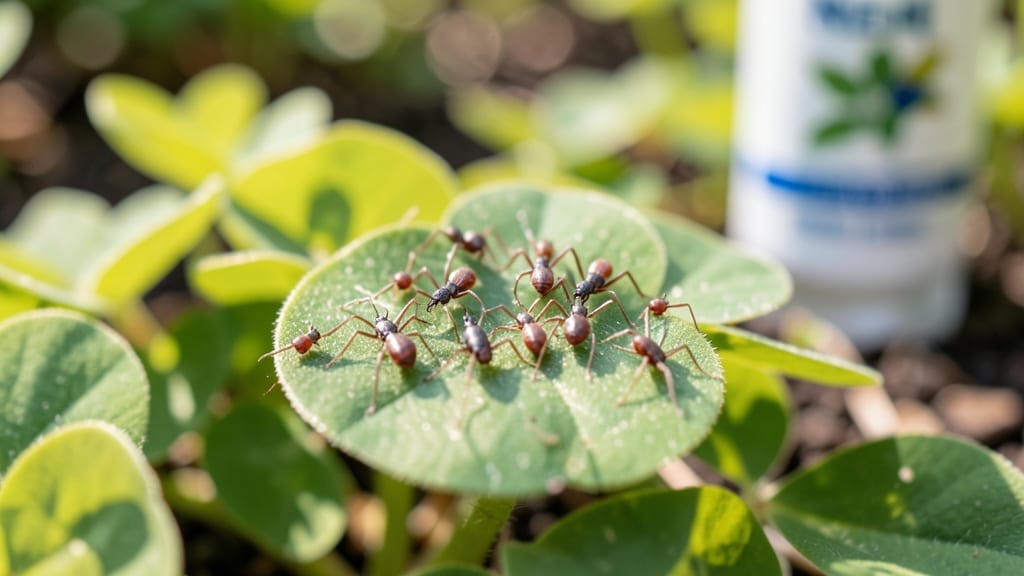
Boiling water is the fastest way to get rid of clover mites on contact—fast. 🌱 I’ve watched these tiny red pests turn lawns into crimson carpets, and this method stops them in their tracks without harsh chemicals. The secret?
A precise barrier that smothers their hiding spots while protecting your plants. These mites thrive in damp, shaded areas, often hitching rides on clover or grass clippings. They multiply quickly, and once they invade, they leave behind a sticky residue that stunts plant growth.
My first attempt with soapy water failed—until I tried the boiling water trick. Within minutes, the infestation was history. You’ll need a kettle, protective gloves, and a steady hand. Pour boiling water along the base of infected plants, focusing on soil crevices where mites hide.
Repeat every 3-4 days for a full week to break their lifecycle. The results? Crisp, mite-free foliage within days, not weeks. Works for lawns, gardens, and even indoor plants. Here’s the exact technique that saved my roses last summer—no more red tide ruining your green space.
Root Causes Of Clover Mite Infestations
Clover mites may seem like tiny, harmless invaders, but their presence in your home is rarely accidental. These reddish-brown arachnids thrive in specific conditions, and understanding why they show up helps you prevent future outbreaks. Let’s break down the key reasons these pests invade your space—and how to address them.
Clover mites love dense, leafy plants, especially clover, grass, and other ground covers. Their natural habitat includes:
- Lawns and gardens: Tall grass, clover patches, and untrimmed shrubs create ideal hiding spots and breeding grounds.
- Mulch and leaf litter: Organic debris traps moisture, which clover mites need to survive.
- Weeds and wild plants: Areas with unchecked vegetation act as a buffet and nursery for these pests.
Why it matters: When outdoor populations explode (often in spring or fall), mites migrate indoors in search of shelter and food. A well-maintained yard with short grass and minimal ground cover drastically reduces their numbers.
Clover mites are not seeking blood—they’re after heat, moisture, and shelter. Your home provides all three, especially during:
- Temperature shifts: They flock indoors when outdoor temps drop below 50°F (10°C) or rise above 80°F (27°C), seeking stable conditions.
- Humidity spikes: Basements, bathrooms, and kitchens with poor ventilation create microclimates mites adore.
- Foundation gaps: Tiny cracks in siding, windows, or doors let them slip inside unnoticed.
Why it matters: Unlike mosquitoes, clover mites don’t bite humans (they feed on plant sap), but their droppings can stain walls. Sealing entry points and controlling indoor humidity disrupts their life cycle.
Clover mites rely on live or dying plants for food and moisture. Common triggers include:
| Scenario | Why Mites Move In |
|---|---|
| Potted plants near doors/windows | Mites hitchhike on leaves or stems when you bring plants indoors. |
| Freshly cut grass or clippings | Moisture and plant debris attract mites seeking a new meal source. |
| Dying houseplants | Decaying foliage releases sugars mites feed on, making indoor plants a magnet. |
Why it matters: Isolating new plants for 2–3 weeks and removing dead leaves prevents mites from stowing away. Even one infested plant can lead to a full-blown indoor colony.
Clover mites are highly sensitive to weather. Their indoor invasions often coincide with:
- Rainy seasons: Heavy moisture forces them to seek dry shelter indoors.
- Drought conditions: Parched outdoor plants stress mites, pushing them toward humid indoor spaces.
- Wind storms: Gusts dislodge mites from vegetation, carrying them into homes.
Why it matters: Monitoring local weather forecasts helps you proactively treat yards before mites stage an invasion. For example, watering lawns deeply during dry spells can deter them from migrating.
Even the best-maintained homes can become clover mite havens due to:
- Firewood or lumber storage: Stacking wood against foundations creates dark, mites-friendly crevices.
- Improper trash disposal: Organic waste (like yard trimmings) left near entryways attracts mites.
- DIY landscaping: Piling mulch or leaves against siding traps moisture and mites alike.
Why it matters: Simple adjustments—like storing firewood 20+ feet from your home or using gravel instead of mulch near foundations—can cut off their access points.
Quick Fixes for Clover Mite Chaos
Clover mites might be tiny, but their impact—reddish stains, persistent bites, and a creepy-crawly invasion—can feel overwhelming. The good news? These pests are sensitive to a few key strategies.
Below, we’ll tackle the most common causes of clover mite infestations and match them with practical, fast-acting solutions to reclaim your home. Plus, we’ll throw in some prevention tips to keep them from crashing the party again.
Clover mites thrive in outdoor plants, especially clover, but they’ll hitch a ride indoors when conditions get cozy. If you’ve spotted them near houseplants or window sills, they’re likely using your greenery as a highway.
How to Fix It:
- 🔥 Isolate and Inspect Plants Move potted plants away from your home’s foundation and inspect them daily for mites. Look for tiny red or orange specks (the mites themselves) or webbing between leaves.
- 🍳 Drown Them in Soapy Water Mix 1 tablespoon of mild dish soap (like Dawn) with 1 gallon of water in a spray bottle. Give plants a thorough dousing, focusing on stems and undersides of leaves. Repeat every 3–4 days until they’re gone.
- 👨🍳 Quarantine New Plants Before bringing any new plants inside, rinse them under cold water and leave them outside for 48 hours to ensure no stowaways sneak in.
💡 Pro Tip: If outdoor plants are heavily infested, consider replacing them with mite-resistant varieties like lavender, rosemary, or marigolds. These herbs repel pests naturally!
Clover mites squeeze through the tiniest cracks—doorways, windows, and even gaps in screens. If you’re seeing them indoors during warm spells, they’re likely walking in uninvited.
How to Fix It:
- ⏰ Seal Entry Points at Dusk Clover mites are most active during dawn and dusk. Use caulk or weather stripping to seal gaps around doors, windows, and utility lines. Pay extra attention to:
- Foundation cracks
- Vents and pipes
- Window screens (patch holes with mesh)
- 🔪 Create a Boiling Water Barrier (Your Secret Weapon!) Fill a kettle or small pot with boiling water and pour it along:
- Baseboards (especially near windows)
- Door thresholds
- Outdoor plant edges The heat instantly kills mites on contact. Do this daily for a week to break their cycle.
- 🌡️ Use Fans as a Defense Place a box fan in a window with the screen removed, facing outward. The airflow creates a mite-repelling barrier—they’ll avoid flying into the breeze.
✨ Prevention Hack: Keep your yard mowed short and remove leaf litter near your home. Mites love hiding in tall grass and debris, so eliminating their outdoor buffet reduces indoor raids.
Clover mites don’t burrow like ticks, but they bite when provoked—leaving itchy red welts. If you’re waking up with bites or your dog is scratching nonstop, they’ve made themselves at home on your skin or fur.
How to Fix It:
- 🛁 Wash Bites with Soap and Water Clean bites with mild soap to prevent infection. Apply calamine lotion or hydrocortisone cream (1%) to reduce itching.
- 🐕 Treat Pets with Vet-Approved Sprays If your pet is a target, use flea and tick sprays (like Vet’s Best Flea Home Spray) on their bedding and fur. Never use human pesticides on animals!
- 🛏️ Encase Mattresses and Pillows Use mite-proof covers on bedding to trap any stragglers. Wash sheets and pillowcases in hot water (130°F+) weekly.
🎯 Long-Term Defense: Install fine mesh screens on windows and doors. Clover mites are slow movers—they won’t climb through tight weaves!
These mites love warm, humid conditions. If your home feels like a sauna in summer, you’re basically rolling out the welcome mat.
How to Fix It:
- 💨 Run a Dehumidifier Aim for 40–50% humidity indoors. A small dehumidifier in problem areas (like basements or near windows) can make your home less appealing to mites.
- 🌡️ Keep Indoor Temps Steady Avoid extreme heat near entry points. Use blackout curtains during the day to reduce heat buildup near windows.
- 🌧️ Outdoor Water Control Fix leaky sprinklers or gutter issues that create damp zones near your home. Mites gather in moist areas—dry them out!
🔥 Quick Fix Table: Humidity Busters
| Problem Area | Solution | Frequency |
|---|---|---|
| Bathroom | Use exhaust fan or open window | After every shower |
| Basement | Place a dehumidifier | Run continuously |
| Window Sills | Wipe down with vinegar spray | Daily |
| Outdoor Plant Beds | Reduce watering; add mulch | Weekly |
If clover mites have taken over, residual insecticides can be a last resort. Use pyrethrin-based sprays (like Ortho Home Defense) along:
- Baseboards
- Window frames
- Outdoor plant edges
⚠️ Safety Note: Spray only outdoors or in well-ventilated areas. Keep pets and kids away until dry. For heavy infestations, consider professional pest control—they’ll use targeted treatments to wipe them out for good.
- ✅ Inspect plants before bringing them inside.
- ✅ Seal all cracks and gaps in your home’s exterior.
- ✅ Mow your lawn and trim bushes near windows.
- ✅ Use fans or screens to block entry points.
- ✅ Monitor humidity—aim for below 50%.
- ✅ Boil water barriers weekly during peak mite season (spring/fall).
With these strategies, you’ll smother, seal, and starve clover mites into submission. Stay vigilant, and your home will be a mite-free zone in no time! 🚫🐜
Frequently asked questions
What do clover mites look like up close?
Clover mites are tiny, about 1/50th of an inch long, with an oval, reddish-brown body that looks like a tiny tick. They’re often mistaken for ants or fleas, but their slow movement and preference for plants give them away. Look for clusters of these specks near window sills or on plant leaves.
Can clover mites bite humans or pets?
Yes, they can! While they don’t burrow like ticks, clover mites will bite when provoked, leaving itchy red welts—especially on exposed skin. Pets are common targets too. The good news? Their bites aren’t dangerous, just annoying. Treat with calamine lotion or hydrocortisone cream to soothe irritation.
How long does it take for boiling water to kill clover mites?
Boiling water kills clover mites instantly on contact. The heat disrupts their exoskeletons immediately, so no waiting is needed. For best results, apply boiling water directly to their hiding spots (like baseboards or plant edges) daily for 5-7 days to break their lifecycle completely.
Are clover mites harmful to plants?
While they don’t kill plants outright, clover mites can cause serious damage by sucking plant sap, leaving behind sticky residue that stunts growth. Heavy infestations may turn leaves yellow or cause premature wilting. The key is early intervention—soapy water sprays or boiling water barriers work best to protect your greenery.
When is the best time of year to treat for clover mites?
Target treatments during spring and fall when temperatures are 50–80°F (10–27°C), their preferred range. These are their peak migration periods. Proactively seal entry points in early spring and monitor humidity levels indoors to prevent invasions before they start.