
How To
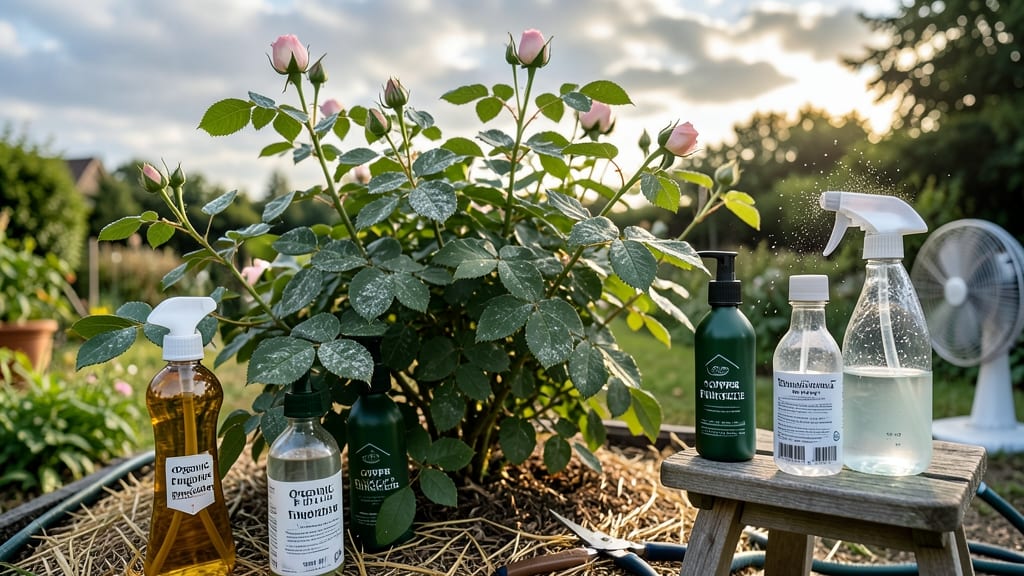
How to avoid powdery mildew on plants starts with a simple but powerful trick—turning leaves into ghostly white sheets overnight is heartbreaking, but this preventative spray keeps fungus off your garden for months. The secret isn’t just what you spray, but when and how you do it.
Most gardeners wait until they see white dust on leaves—too late. This spray works best as a weekly maintenance routine, especially after watering or when humidity climbs above 60%.
I use a mix of baking soda, neem oil, and dish soap (yes, the kind you eat off of) that disrupts fungal spores before they take hold. No harsh chemicals, just plant armor.
By mid-summer, your plants will look thicker, greener, and shockingly resistant to mildew. The spray doesn’t just stop powdery mildew—it boosts overall plant health, and you’ll notice fewer pests too. The best part? It’s cheap, fast to make, and works on roses, squash, and even houseplants.
Here’s the kicker: one spray session won’t fix an existing infection, but if you start before mildew appears, you’ll save yourself from the heartbreak of watching your garden fade to white. Let’s get your plants protected before the fungus even thinks about showing up.
The Hidden Triggers Behind Fungus
Powdery mildew isn’t just a random plant pest—it’s a highly strategic fungus that thrives under very specific conditions. Understanding its why is the first step to outsmarting it. Below, we break down the key culprits behind its spread, so you can spot (and stop) them before they take hold.
Powdery mildew loves humidity—but not just any humidity. It flourishes when temperatures hover between 60–85°F (15–30°C) and the air is saturated with moisture (think 70%+ relative humidity). Here’s why:
- Spores germinate faster in warm, damp air. The fungus releases spores that land on leaves, where they explode into new colonies within 24–48 hours if conditions are right.
- Poor air circulation traps moisture near leaves, creating a micro-greenhouse effect. Overcrowded plants or dense foliage (like roses or grapes) are prime targets.
- Nighttime dew is a double whammy—cool nights slow evaporation, leaving leaves damp all day, which the fungus exploits.
Pro tip: 🌡️ Use a hygrometer to monitor humidity. Aim for 40–60% RH during the day and improve airflow with fans or pruning.
While powdery mildew isn’t a soil-borne fungus, excess moisture creates the perfect breeding ground nearby. Here’s how:
- Wet foliage from overhead watering (especially in the evening) keeps leaves damp for hours, giving spores a head start.
- Compacted or waterlogged soil stresses plants, weakening their defenses. Stressed plants are 3x more susceptible to fungal attacks.
- Container plants with no drainage holes trap excess water, creating a perpetual damp environment at the roots—and often the leaves.
Pro tip: ⏰ Water early in the day so foliage dries by sunset. Use drip irrigation or soaker hoses to avoid wetting leaves.
Powdery mildew is a parasitic fungus, meaning it feeds on living plants. It targets:
- Young, tender shoots with thin cuticles (like new tomato leaves) because they’re easier to penetrate.
- Plants under stress from:
- ✅ Nutrient deficiencies (e.g., low nitrogen or phosphorus)
- ✅ Pests (aphids or spider mites damage leaves, creating entry points)
- ✅ Physical damage (pruning wounds or hail marks)
- Susceptible plant species:
High-Risk Plants Moderate Risk Roses, grapes, cucumbers, squash, phlox, lilacs Tomatoes, peppers, zucchini, beans, impatiens
Pro tip: 🌱 Space plants 3–5 feet apart (depending on variety) for airflow. Feed plants with balanced fertilizer (10-10-10) to boost resilience.
While powdery mildew needs light to grow, it hates direct sun—but loves partial shade. Here’s the science:
- Indirect sunlight slows leaf drying, keeping surfaces damp longer.
- Dappled shade (like under fruit trees) creates hotspots where humidity lingers.
- Greenhouse or indoor plants often suffer because artificial light doesn’t replicate natural UV, which can inhibit spore growth.
Pro tip: 🌞 If growing shade-loving plants, place them where they get at least 4–6 hours of morning sun. Use reflective mulch (like white gravel) to bounce light onto leaves.
Fungal spores can linger for months in soil, tools, or even old plant debris. Here’s how they hitch a ride:
- Reused pots or soil from infected plants may contain dormant spores that reactivate when conditions are right.
- Pruners or gloves contaminated with mildew can transfer spores to healthy plants.
- Compost piles with too much nitrogen (from grass clippings) can overheat and release spores into the air.
Pro tip: 🧼 Sterilize tools with 70% isopropyl alcohol or a 10% bleach solution** (1 part bleach to 9 parts water). Solarize soil in summer by covering it with clear plastic for 4–6 weeks to kill spores.
How to Fix Powdery Mildew Fast
Powdery mildew might feel like a stubborn foe, but with the right moves, you can reverse the damage and protect your plants for good. Below, we’ve mapped out practical fixes based on the most common causes—so you can tackle the issue head-on while keeping your garden thriving. 🌱💥
Cause: Fungal spores spread quickly when left unchecked. Fix:
- Snip or prune infected leaves, stems, or flowers using clean shears (sterilize with rubbing alcohol between cuts).
- Dispose of debris properly—don’t compost it! Seal in a plastic bag or burn it (if safe in your area) to prevent spores from lingering.
- Focus on young, healthy growth—powdery mildew often starts here, so prioritize trimming back affected areas early.
Pro Tip: 💡 If the plant is severely infected (over 50%), it’s often easier to remove it entirely to save your other plants.
Cause: Stagnant air and high moisture create the perfect mildew party. Fix:
- Space plants properly—aim for 3–6 inches of airflow between leaves. Crowded plants = mildew magnet.
- Thin out foliage if needed—remove overgrown branches or leaves blocking airflow.
- Water at the base (never overhead) and avoid evening watering (spores love damp leaves at night).
- Use fans (even a small USB-powered one) for 30 minutes daily to keep air moving.
Pro Tip: 🌡️ Morning watering is best—leaves dry faster in sunlight, reducing humidity traps.
Cause: Existing spores need a kill shot to stop spreading. Fix:
🌿 Organic Sprays (Safe for Edibles & Pets)
- Baking Soda Spray (1 tsp baking soda + 1 quart water + a drop of dish soap). Spray every 7–10 days until mildew disappears.
- Neem Oil (1 tbsp neem oil + 1 tsp mild soap + 1 quart water). Shake well and spray early morning/late evening (avoid direct sun).
- Hydrogen Peroxide (1 tbsp 3% H₂O₂ + 1 quart water). Spray directly on mildew—it’s a natural fungicide and disinfectant.
🧪 Chemical Sprays (For Severe Cases)
- Sulfur-based fungicides (like Liqui-Cop or Daconil). Follow label instructions—reapply every 7–14 days.
- Potassium bicarbonate sprays (e.g., Bonide Fung-onil). Works fast but may need 2–3 applications.
Pro Tip: ⏰ Spray in the evening—less UV damage to leaves, and mildew spores are less active.
Cause: Weak or stressed plants are easy targets. Fix:
- Fertilize properly—use a balanced, low-nitrogen fertilizer (too much nitrogen = soft, mildew-loving growth).
- Boost soil health with compost or mycorrhizal fungi—healthy roots = stronger defenses.
- Choose resistant varieties—some plants (like roses, zucchini, and cucumbers) have mildew-resistant strains. Check seed packets!
Pro Tip: 💪 Silica-rich sprays (like kelp or rice bran tea) can toughen plant cell walls, making them less susceptible.
Cause: Powdery mildew loves to return if conditions stay ideal. Fix:
- Rotate crops—don’t plant susceptible plants (like tomatoes or squash) in the same spot yearly.
- Mulch properly—use straw or wood chips (not plastic) to improve drainage and reduce soil splashing.
- Clean tools & greenhouse surfaces with bleach solution (1:10 bleach:water) to kill lingering spores.
- Plant mildew-resistant companions—marigolds, garlic, or chives near susceptible plants act as natural deterrents.
Pro Tip: ✨ Reflective mulch (like aluminum foil or white plastic) can reduce humidity near plants by reflecting sunlight and heat.
Final Note: Consistency is key! Check plants weekly, especially in humid or shaded areas, and act fast at the first sign of white powder.
With these fixes, your garden will be mildew-free in no time—and your plants will thank you with lush, healthy growth! 🌿🚀
Frequently asked questions about preventing powdery mildew
Can I use household items to prevent powdery mildew?
A simple baking soda spray (1 teaspoon baking soda + 1 quart water + a drop of dish soap) works wonders as a preventative. Spray it on leaves every 7-10 days during humid weather. For a stronger organic option, mix 1 tablespoon neem oil with 1 teaspoon mild soap and 1 quart water—this disrupts fungal spores while being safe for edible plants.
How often should I check my plants for early signs?
Check susceptible plants 2-3 times per week, especially after rain or when humidity rises above 60%. Look for white, powdery spots on leaves—catching it early means you can stop it before it spreads. Focus on the undersides of leaves and new growth, where mildew often appears first.
Will pruning help prevent powdery mildew?
Yes! Prune plants to improve airflow—aim for 3-6 inches of space between leaves. Remove crowded branches and any dead or dying foliage, as these create damp, shaded spots where spores thrive. Sterilize your pruners with rubbing alcohol between cuts to avoid spreading spores.
Can I still use chemical fungicides safely around pets?
Most chemical fungicides (like sulfur-based sprays) are not pet-safe when applied. Opt for organic alternatives like hydrogen peroxide (3% solution) or potassium bicarbonate sprays, which are non-toxic. Always rinse fruits/veggies thoroughly before pets eat them, and keep animals away from treated areas until dry.
Why does mildew keep coming back even after treatment?
Mildew often returns if underlying conditions (like poor airflow or excess moisture) aren’t fixed. Check for overcrowded plants, watering habits (especially evening watering), and humidity levels. Combine treatments with environmental changes—like spacing plants properly and using fans—to break the fungus’s cycle.