
Flowers
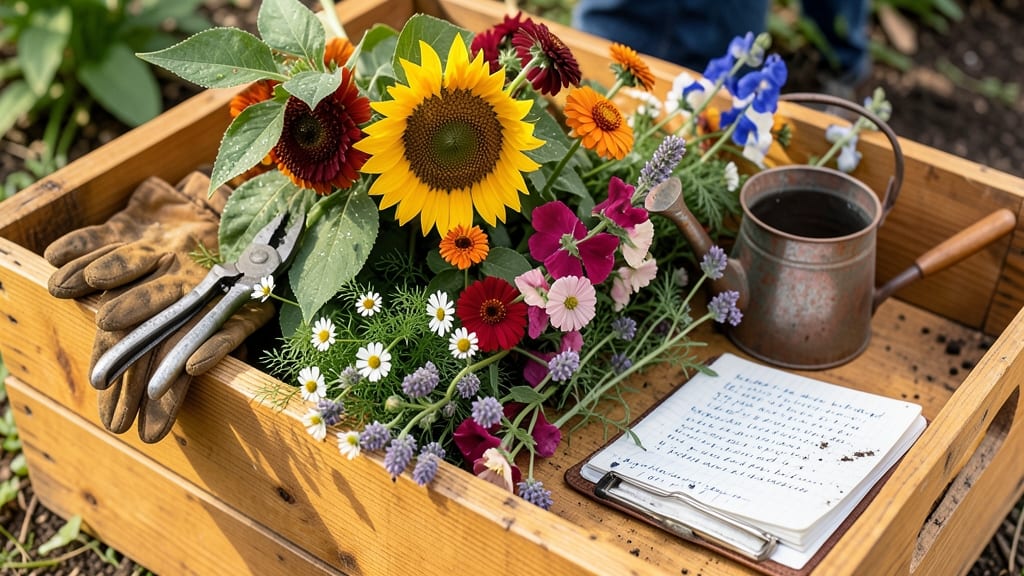
Becoming a flower farmer starts with a single seedling—and a dream. 🌸 I launched my own cut-flower operation with just $500 and a half-acre, proving that scale doesn't dictate success.
The key isn't fancy equipment; it's choosing the right flowers, mastering timing, and knowing where to sell them before they even bloom.
You'll need space (even a backyard works for small batches), quality soil, and reliable water. My first year, I overcomplicated irrigation and lost 20% of my stock to inconsistent moisture. Now I use simple drip systems and mulch heavily—saving time and keeping roots happy.
The flowers that pay best? Long-stemmed varieties like sunflowers, snapdragons, and zinnias for bouquets, plus high-value blooms like peonies if you're willing to wait.
By harvest time, you'll be cutting stems at peak freshness—bright, sturdy, and ready for market. The first bouquets I sold brought in $300 in a weekend, and that's when I knew I was onto something.
The secret isn't just growing; it's connecting with local florists, farmers' markets, and customers who value hand-picked beauty over mass-produced arrangements.
Whether you're dreaming of a side hustle or full-time farm, the first step is always the same: start small, learn fast, and let your flowers do the talking.
The regulations vary by state, but most small operations just need basic permits—check your local agricultural extension office for specifics. Ready to turn dirt into dollars?
📚 In This Guide
- What you need
- Instructions
- Tips and common mistakes
- Wrapping up and next steps
What you need
- ● Land: At least 1/4 acre (1,000 sq. ft.) for small-scale farming; more for larger operations. Ensure it’s well-drained with access to sunlight (6+ hours/day).
- ○ Greenhouse (optional but recommended): 10’x20’ or larger for year-round growing. Look for UV-resistant polycarbonate panels.
- ● Irrigation system: Drip irrigation kit ($50–$200) or soaker hoses to conserve water and reduce weeds.
- ● High-quality potting mix: 50–100 bags (depending on scale) of a well-draining blend (e.g., 60% peat moss, 30% perlite, 10% compost).
- ● Compost: 2–5 cubic yards of aged compost (homemade or purchased) to enrich soil.
- ● Organic fertilizers: Slow-release granules (e.g., fish emulsion or bone meal) and liquid feeds like seaweed extract.
- ● Hand tools: Garden trowel (1–2)
- ● Pruners (bypass type, $15–$30)
- ● Gloves (heavy-duty, 3–5 pairs)
- ● Hand fork (for soil aeration)
- ● Mechanical tools: Wheelbarrow (1)
- ● Hoe (stainless steel, $20–$40)
- ● Sprayer (backpack or handheld, $30–$80)
- ○ Optional tech: pH meter ($10–$20) for soil testing
- ● Digital thermometer/hygrometer ($20–$50) for greenhouse monitoring
- ● Seeds: Start with easy-to-grow varieties like zinnias, sunflowers, or marigolds (1–2 lbs of seed per acre).
- ○ Seedlings (optional): Transplant-ready flowers (e.g., roses, peonies) from local nurseries to skip early stages.
- ● Propagation supplies: Seed trays (72-cell, $10–$20), seedling heat mats ($20–$40), and grow lights ($50–$150).
- ● Business license: Check local regulations (costs vary; often $50–$400).
- ● Insurance: Liability insurance ($500–$1,500/year) to protect against accidents or crop damage.
- ● Knowledge: Complete a beginner floriculture course (online or local extensions) or read books like “The Flower Farmer” by Lynn Byczynski.
Step-by-step instructions for launching your flower farm
Here’s how I built a profitable flower business from the ground up—no prior experience needed.
🌱 Step 1: Choose Your Market and Flower Varieties
Start by identifying your target market: weddings, bouquets, wholesale, or cut flowers? Each requires different varieties. I began with high-demand, easy-to-grow flowers like zinnias, sunflowers, and snapdragons—they sell fast and tolerate imperfect conditions. Research local demand by visiting farmers' markets or checking wedding vendor lists online.
Next, calculate your space needs. A single wedding bouquet might require 50-100 stems, while wholesale orders demand bulk production. I planted 100-200 plants per variety initially to test demand without overcommitting. Focus on flowers with long vase life (7+ days)—customers won’t tolerate wilting blooms.
🪴 Step 2: Secure Land, Permits, and Basic Infrastructure
Lease or purchase land with access to water and sunlight. Even ¼-acre plots can produce thousands of stems if managed well. Check local zoning laws—some areas require agricultural permits for commercial flower farming. I started with a ½-acre plot in a rural zone, which gave me flexibility for expansion.
Invest in essential infrastructure first: a greenhouse or shade cloth> for seedlings, irrigation lines (drip systems save water and labor), and storage for harvested blooms. A simple 10x12-foot greenhouse> costs around $1,500-$2,500 and protects seedlings from pests and temperature swings. Don’t skip this—seedlings wilted by frost or pests are a costly lesson.
☀️ Step 3: Master Seed Starting and Transplanting
Begin seeds indoors 8-12 weeks before your first frost date. Use a sterile seed-starting mix and maintain soil temperatures at 70-75°F for consistent germination. I sow seeds in biodegradable peat pots> to avoid root disturbance during transplanting. Keep seedlings under grow lights> for 14-16 hours daily>—natural light alone won’t cut it.
Hardening off seedlings is critical. Start 10-14 days before transplanting> by moving them outside for 1-2 hours daily>, gradually increasing exposure. Watch for wilting or yellowing leaves>—these are signs they’re not ready. Transplant on a cloudy day to reduce stress, and water deeply at the base to encourage root growth.
💧 Step 4: Implement Efficient Irrigation and Pest Control
Drip irrigation is a game-changer for flower farms. It delivers water directly to roots, reducing waste and disease risk. Set up lines with emitters spaced 12-18 inches apart> and run them for 15-30 minutes daily>, adjusting for rainfall. Overwatering leads to fungal diseases like powdery mildew, which can devastate blooms overnight.
Pests are inevitable, but prevention is easier than cure. I use row covers> for early-season protection and introduce beneficial insects like ladybugs and lacewings. Avoid chemical sprays near harvest—residues ruin your reputation. Scouting fields weekly for aphids, slugs, or spider mites> catches problems before they spread.
✂️ Step 5: Harvest, Process, and Sell Strategically
Harvest flowers in the early morning> when stems are fully hydrated. Use sharp shears to cut 2-3 inches below the bloom>, then strip leaves that would sit underwater. I bundle stems in 50-stem buckets> and store them in cool, humid conditions> (50-55°F) to extend vase life. For immediate sales, recut stems and place them in clean, lukewarm water> with a floral preservative.
Price flowers based on quality, not just cost. A single stem of €20 sunflowers> sells for $3-$5 each>, while bulk bouquets command $50-$200. Start with local farmers' markets to test demand, then expand to wholesale accounts or direct-to-consumer sales. Track your cost per stem>—aim for under $1 per stem> to ensure profitability.
Tips & tricks for launching your flower farm
Here's what nobody tells you about turning your passion for flowers into a profitable business—lessons I learned the hard way.
Market Research is Everything: Before planting your first seed, spend at least one full weekend at local farmers' markets and wedding expos. Talk to brides, florists, and wholesale buyers to pinpoint which varieties sell fastest in your area. I discovered that while sunflowers were popular, €20 dahlias sold for $8-$10 each at weddings—double the profit per stem. That shifted my entire planting strategy.
Seed Starting Secrets: The 70-75°F soil temperature range for germination isn't just a suggestion—it's non-negotiable. Use a seedling heat mat ($20-$30) if your home stays cooler. I also add a thin layer of vermiculite to the seed-starting mix to retain moisture without drowning roots. And never skip the 14-16 hours of grow light—natural light alone will stretch your seedlings into leggy, weak plants that flop over.
Infrastructure Investments That Pay Off: That $1,500-$2,500 greenhouse isn't optional—it's your first line of defense against weather disasters. I learned this after losing 30% of my first crop when an unexpected frost hit tender seedlings. Also, invest in adjustable drip irrigation emitters ($15-$25 per 100 feet). They let you fine-tune water delivery based on plant age and weather, saving 30-40% on water costs while preventing fungal diseases from overwatering.
Harvest Timing Makes or Breaks Your Business: The early morning harvest isn't just about hydration—it's about capturing the peak color and fragrance that customers pay premium prices for. I now set my alarm for 5:30 AM during peak season and harvest before the dew dries. Pro tip: Use a cooling unit or walk-in cooler (even a repurposed fridge works) to maintain 50-55°F temperatures immediately after harvest. This extends vase life by 2-3 days compared to leaving stems in hot field conditions.
Pro Tips for Become A Flower Farmer
- Here's what nobody tells you about turning your passion for flowers into a profitable business—lessons I learned the hard way.
- Market Research is Everything: Before planting your first seed, spend at least one full weekend at local farmers' markets and wedding expos.
- Seed Starting Secrets: The 70-75°F soil temperature range for germination isn't just a suggestion—it's non-negotiable.
Frequently asked questions
Got questions about turning your green thumb into a floral business? Here are answers to the most common ones—so you can bloom with confidence!
How much land do I need to start a flower farm?
Start small! A ¼ to ½ acre is ideal for beginners, especially if focusing on high-value crops like roses, lavender, or cut flowers. Urban farmers can even thrive in containers or raised beds (think rooftops or community gardens). Scale up as demand grows—many successful farms begin with just a few hundred square feet!
What’s the startup cost for a flower farm?
Costs vary widely: $5,000–$50,000+ depending on scale, location, and organic vs. conventional methods. Breakdowns include:
- Seeds/Plants: $500–$3,000/year
- Equipment: $2,000–$10,000 (tractors, greenhouses, tools)
- Land Lease/Purchase: $1,000–$20,000/year
- Licenses/Permits: $200–$1,500
How long does it take to make a profit?
Profitability depends on your model:
- Cut flowers/sale at farmers’ markets: 6–18 months (fastest if selling locally)
- Bulk wholesale (e.g., for florists): 1–3 years (requires volume)
- Value-added products (dried flowers, bouquets): 12–24 months (higher margins)
What’s the best climate for flower farming?
No single "best" climate—diversify! Temperate zones (like the Pacific Northwest or Midwest) excel for perennials, while Mediterranean climates (California, Spain) thrive with lavender and roses. Greenhouses or season extenders let you grow almost anywhere. Alternative: Focus on heat-tolerant varieties (e.g., zinnias, sunflowers) if you’re in a hot region.
How do I deal with pests and diseases without chemicals?
Prevention is key! Use these organic methods:
- Crop rotation to disrupt pest cycles
- Beneficial insects (ladybugs, lacewings) for natural control
- Neem oil or soapy water sprays for mild infestations
- Healthy soil (compost + mycorrhizal fungi) boosts plant resilience
Wrapping up and next steps
Becoming a flower farmer is a rewarding journey that blends creativity, hard work, and a deep love for nature. 🌸 From selecting the right seeds to mastering marketing and sustainability, each step builds toward a thriving business.
Remember, success starts small—whether you’re growing a few bouquets or scaling to wholesale sales.
Your next step? Start today! Plant those first seeds, connect with local growers, or sketch out your business plan. Every expert was once a beginner—your passion is your greatest tool. Let your garden bloom into something beautiful! 🌱