
Planting
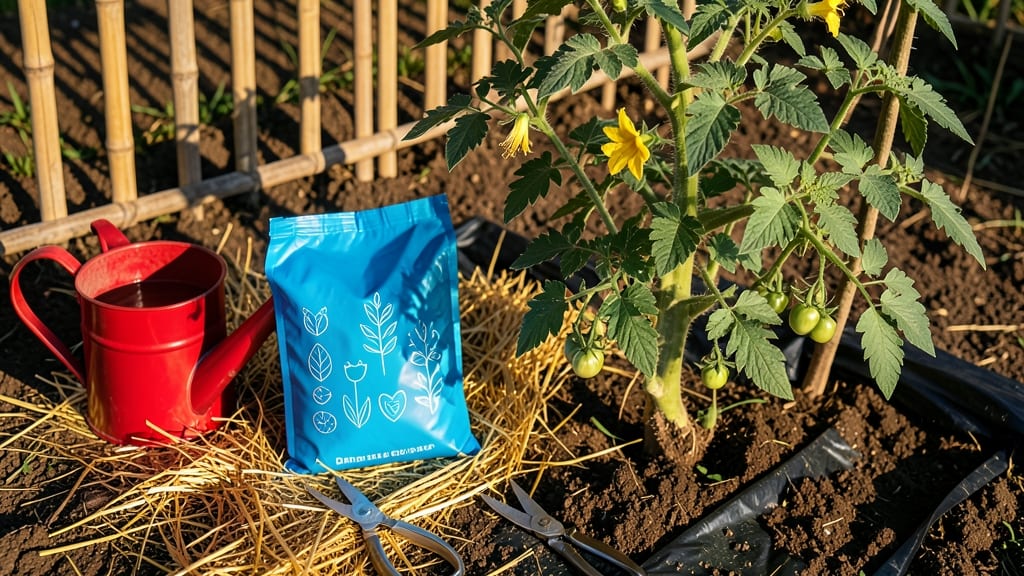
Boosting tomato plant growth starts with one simple truth: healthy soil equals explosive vines. 🌱 I’ve watched my own plants go from leggy sticks to foot-tall powerhouses in just 6 weeks by focusing on the right foundation—rich, well-draining soil packed with organic matter.
The key isn’t fancy fertilizers upfront, but getting the roots right from day one. Most gardeners overlook the early-stage feeding that makes the difference. After planting, I mix in composted manure or worm castings to kickstart root growth, then top-dress with balanced fertilizer (10-10-10) every 3-4 weeks.
The secret? Water deeply but infrequently—tomatoes hate soggy roots but thrive with consistent moisture. A 5-gallon bucket per plant, twice a week, keeps them strong without stress. By midseason, you’ll see the payoff: thicker stems, more leaves, and fruit the size of your palm.
Pruning suckers (those little shoots between stems and branches) redirects energy to bigger blooms, while staking or caging prevents sprawl. Even in containers, this method works—just use larger pots (at least 5 gallons) and feed more frequently. The best part?
These tricks work for both determinate (bush) and indeterminate (vining) tomatoes, whether you’re growing in raised beds, pots, or the ground. Let’s turn those skinny seedlings into monster producers—your taste buds will thank you.
📚 In This Guide
- What you need
- Instructions
- Tips and common mistakes
- Wrapping up and next steps
What you need
- ● Tomato seeds or seedlings: Choose disease-resistant varieties (e.g., Celebrity, Sungold, or Beefsteak). Start with 3–5 plants per person for fresh harvests!
- ● High-quality potting mix: 10–20 lbs of sterile, well-draining soil blend (look for labels like "tomato mix" or "vegetable garden soil"). Avoid garden soil—it’s often too dense!
- ● Containers or garden space: For containers: 5-gallon pots or larger (tomatoes need room to stretch!)
- ● For in-ground: Full sun (6–8+ hours/day) and loose, fertile soil.
- ● Fertilizer: Balanced organic option (5-5-5 or 10-10-10 NPK) or compost. Start with 1–2 tbsp per plant at transplanting.
- ● Watering can or hose with a gentle nozzle: Tomatoes hate soggy roots—aim for deep, infrequent watering.
- ● Stakes or cages: 6–8 ft tall for indeterminate varieties (e.g., cherry tomatoes) or 4–5 ft for determinate types.
- ● Pruning shears: Sharp, clean pair to snip suckers and dead leaves (sterilize with rubbing alcohol between plants!).
- ● Epsom salt: 1 tbsp dissolved in 1 gallon of water (spray foliage every 2–3 weeks for magnesium boost).
- ● Fish emulsion or worm castings: Liquid fertilizer for a nutrient kick (follow package rates).
- ● Mulch (straw or black plastic): Retains moisture and suppresses weeds—save 2–3 inches of material.
- ● Grow lights (for indoor setups):strong> LED or fluorescent bulbs (12–16 hrs/day) if natural light is limited.
- ● pH test kit: Keep soil pH between 6.0–6.8 (tomatoes are picky!).
- ● Beneficial insects: Ladybugs or lacewings to deter pests naturally.
Step-by-step instructions for maximizing tomato plant growth
Here's how I transform average tomato plants into vigorous producers using science-backed techniques.
🌱 Step 1: Optimize Planting Depth and Root Environment
Tomato stems actually develop roots along their length, so I plant deeper than most gardeners. Bury the main stem up to ⅔ of its height—this encourages a stronger root system below ground. The buried portion will sprout additional roots, creating a more stable plant that supports heavier fruit loads.
Before planting, I mix compost or well-rotted manure into the bottom 6 inches of soil. This creates a nutrient-rich zone where roots will naturally grow toward. Avoid fresh manure—it burns tender roots and causes stunted growth. Instead, use finished compost that's dark and crumbly with no strong odor.
☀️ Step 2: Provide Strategic Light and Heat Management
Tomatoes need 6-8 hours of direct sunlight daily, but too much midday sun can scorch leaves. I position plants where they get morning sun and afternoon shade during peak summer heat. Watch for leaves that turn yellowish-white with brown edges—this is sunburn, and it weakens the plant's ability to produce fruit.
For container growers, I rotate pots quarter-turn weekly so all sides get even light exposure. This prevents plants from leaning toward the sun and creates more uniform growth. If your plants start stretching with pale stems, they're not getting enough light—move them closer to a south-facing window or supplement with a grow light.
💧 Step 3: Implement Precision Watering Techniques
Deep, infrequent watering produces stronger plants than daily shallow watering. I water at the base 1-2 inches deep every 2-3 days, checking by pushing a finger into the soil. The top 2 inches should feel dry before watering again. Wet leaves invite fungal diseases like early blight, so I water in the morning to allow foliage to dry completely.
Mulch heavily with 2-3 inches of straw or wood chips to maintain even moisture and suppress weeds. This keeps roots cool and prevents soil from crusting over, which restricts oxygen flow. You'll notice healthier green leaves and fewer blossom-end rot issues when roots stay consistently moist but not soggy.
✂️ Step 4: Prune and Train for Maximum Yield
Regular pruning directs energy toward fruit production rather than excessive foliage. I remove suckers (the small shoots that form in the leaf axils) when they're 2-3 inches long. These compete with the main stem for nutrients. For indeterminate varieties, I also prune lower leaves up to 18 inches from the ground to improve air circulation and prevent soil-borne diseases.
Use stakes, cages, or trellises to support vines as they grow. I tie main stems to supports every 12-18 inches to prevent wind damage and encourage vertical growth. This creates more space for fruit to develop and reduces the risk of disease spreading through crowded foliage. Watch for stems that rub together—this creates wounds where pathogens can enter.
🌿 Step 5: Fertilize with Targeted Nutrient Strategies
Start with a balanced 10-10-10 fertilizer at planting, then switch to a low-nitrogen, high-phosphorus formula (5-10-10) when flowers appear. Phosphorus encourages root and flower development, while too much nitrogen produces leafy growth at the expense of fruit. I apply fertilizer every 2-3 weeks during the growing season, always watering thoroughly after application.
For a natural boost, I mix 1 tablespoon of Epsom salt per gallon of water every 2 weeks during flowering. This magnesium supplement prevents blossom-end rot and improves fruit set. You'll see stronger stems and more consistent flowering when plants get this extra support, especially in heavy clay soils where magnesium is often deficient.
Tips & tricks for maximizing tomato growth
Here's what nobody tells you about turning average tomato plants into high-yielding powerhouses.
Root Development: The deeper you plant those 1-2 inches beyond the packet's recommendation, the more roots your tomato will develop. I've seen plants with roots extending 3 feet deep when planted correctly—this is what fuels their explosive growth. For extra insurance, add a handful of compost to the planting hole before setting your transplant. This jumpstarts root growth right from the start.
Heat Management: Those 70-85°F daytime temperatures are non-negotiable for optimal growth. But here's the trick: if your mornings dip below 60°F, cover plants with lightweight row covers for just 1-2 hours to warm the soil. This kickstarts photosynthesis earlier, giving you an extra 2-3 hours of productive growth each day. And if you notice purple stems (a phosphorus deficiency sign), mix bone meal directly into the soil rather than just sprinkling it on top—roots need direct access to nutrients.
Pruning Precision: When removing those suckers weekly, focus on keeping the plant's energy flowing upward. I always leave 1-2 leaves above each pruning point—this maintains enough foliage for photosynthesis while still directing energy to fruit production. For indeterminate varieties, I use a sharp pair of pruners to make clean cuts just above a leaf cluster when topping the plant. This prevents tearing and encourages bushier growth at the cut point.
Fertilizer Timing: The switch from 10-10-10 to 5-10-10 when flowers appear is crucial, but here's the secret: apply the low-nitrogen, high-phosphorus fertilizer in the morning. This gives roots the entire day to absorb nutrients before nightfall, maximizing their effectiveness. I also mix in compost tea every 2 weeks—the microbes in it act like tiny root extensions, helping your plant absorb nutrients more efficiently.
Pro Tips for Boost Tomato Plant Growth
- Here's what nobody tells you about turning average tomato plants into high-yielding powerhouses.
- Root Development: The deeper you plant those 1-2 inches beyond the packet's recommendation, the more roots your tomat...
- Heat Management: Those 70-85°F daytime temperatures are non-negotiable for optimal growth. But here's the trick: if y...
Frequently asked questions
Got questions about growing juicier, healthier tomatoes? You’re not alone! Here are answers to the most common queries to help you cultivate a thriving tomato garden with confidence.
How often should I fertilize my tomato plants for the best growth?
Feed your tomato plants every 2–3 weeks during the growing season (spring to early fall) with a balanced fertilizer (like 10-10-10) or compost tea. Once they start flowering, switch to a low-nitrogen, high-phosphorus fertilizer (e.g., 5-10-10) to boost fruit production. Over-fertilizing can lead to leafy growth at the expense of fruit—so follow package instructions!
Can I still boost tomato growth if my plants are already flowering?
Even flowering plants benefit from pruning, mulching, and targeted nutrients. Focus on removing suckers (side shoots) to direct energy to fruit, and add a potassium-rich fertilizer (like banana peel tea) to improve flavor and disease resistance. Just avoid heavy pruning—keep 3–5 main stems for support.
What’s the best temperature range for tomatoes to grow fast?
Tomatoes thrive in warmth (70–85°F during the day), but they won’t germinate well in soil below 50°F. If nights dip below 55°F, use row covers or cloches to protect young plants. Too hot (above 90°F) can cause blossom drop—provide afternoon shade in extreme heat.
Why are my tomato leaves turning yellow, even with good care?
Yellow leaves usually signal overwatering, nutrient deficiency, or disease. Check the roots—if the soil is soggy, reduce watering. For yellowing between veins, it may be magnesium deficiency (try Epsom salt). If spots or curling appear, it could be early blight—remove affected leaves and improve airflow with pruning.
Can I use coffee grounds to boost tomato growth?
Yes! Coffee grounds are a great nitrogen source (tomatoes love nitrogen early on), but use them sparingly—mix 1–2 cups per plant into the soil or compost pile. Too much can raise soil acidity or attract pests. Pair them with compost or lime for balanced nutrition.
Wrapping up and next steps
Boosting your tomato plant’s growth doesn’t have to be complicated—just consistent!
By pruning wisely, feeding with the right nutrients, and creating the perfect environment, you’ll be on your way to a bountiful harvest. 🌱 Remember, every little effort—whether it’s a pinch of fertilizer or a few extra minutes of sunlight—adds up to bigger, healthier plants.
Now that you’re armed with these proven tricks, why not start small? Pick one tip to try this week—maybe a quick prune or a DIY compost tea—and watch your tomato plants thrive! 🍅 Happy gardening!