
Tools
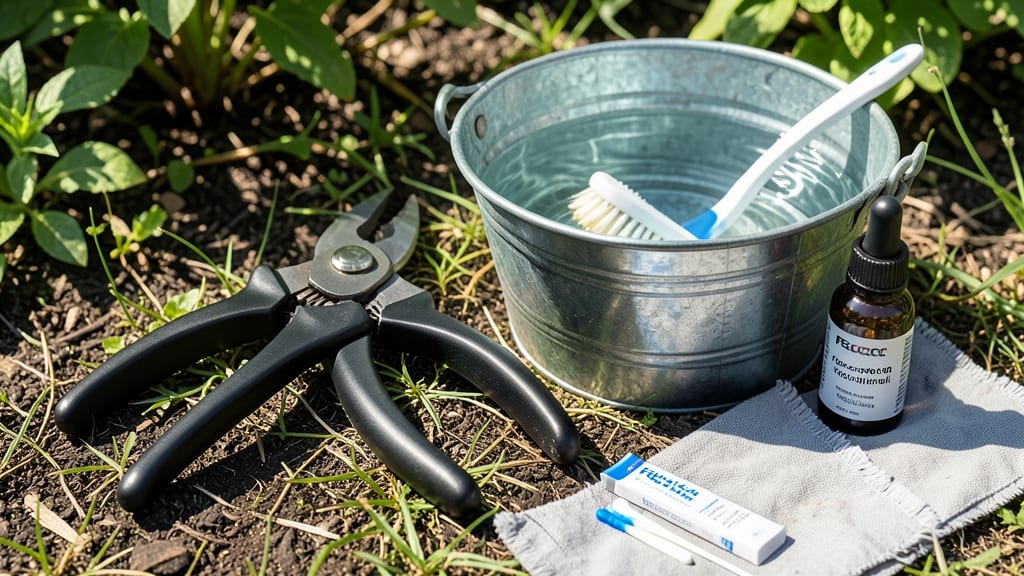
How to clean these rusty, sticky Felco secateurs—that’s the trick to getting them cutting cleanly again. ✨ That’s about to change. I’ve cleaned mine after every heavy pruning season for years, and the difference in performance is night-and-day—blades stay razor-sharp, hinges move smoothly, and rust never gets a foothold.
The secret isn’t complicated: just a few minutes with the right tools and technique. You’ll need a stiff brush, a small screwdriver, some oil, and a clean rag—basically what’s already in your toolbox.
The process removes sap, dirt, and rust while keeping your secateurs sanitized so no diseases jump from plant to plant.
By the end, your blades will glide through branches like butter, and the hinges will open and close effortlessly. No more wrestling with stubborn cuts or dealing with dull blades mid-pruning. This routine takes less than 5 minutes but extends your secateurs’ life for years.
Works for all Felco models, whether you’re a weekend pruner or a full-time gardener. Let’s get those blades sparkling clean—your plants will thank you with healthier growth.
📚 In This Guide
- What you need
- Instructions
- Tips and common mistakes
- Wrapping up and next steps
What you need
- ● Felco secateurs – The pruners you’re cleaning (obviously!). Ensure they’re cool to the touch if recently used.
- ● Soft cloth or microfiber towel – 1-2 pieces. Microfiber is ideal for wiping away dirt without scratching.
- ● Mild dish soap or Felco cleaner – 1 small bottle. Avoid harsh chemicals like bleach or abrasive cleaners.
- ● Rust inhibitor oil (e.g., Felco oil or 3-in-1 oil) – 1 small bottle. Protects blades and pivot screws from corrosion.
- ● Small brush (toothbrush or nail brush) – For scrubbing hard-to-reach areas like pivot points and blade crevices.
- ● Rubbing alcohol (70% isopropyl) or vinegar – 1 small bottle. Helps disinfect and remove stubborn grime.
- ● Paper towel or clean rag – For drying and buffing after cleaning.
- ● Felco sharpening tool or file – If your blades feel dull, now’s the time to restore their edge.
- ● WD-40 or silicone spray – For loosening stiff pivot screws before oiling.
- ● Gloves (nitrile or rubber) – Protects your hands from oil and sharp edges.
- ● Old toothpaste (non-gel) – A tiny dab can polish stainless steel blades naturally.
Step-by-Step instructions for cleaning Felco secateurs
Here's the method I swear by—tested across seasons and climates—to keep your Felcos razor-sharp and free of gunk.
💧 Step 1: Disassemble and Rinse Under Running Water
Start by unscrewing the blade from the handle using the included Allen key. Felco blades are designed to stay sharp when properly maintained, but they need regular cleaning to prevent sap buildup and rust. Hold the blade under warm water and scrub both sides with your fingers to loosen dried sap or debris. You'll feel the gritty texture of old residue give way—this is your first sign of success.
Next, rinse the handle thoroughly, paying special attention to the pivot area where dirt and moisture collect. A quick wipe with a damp cloth removes most surface grime. If you're working outside, use a small bucket of water nearby to avoid dripping on tools or surfaces. The goal here is to remove as much organic matter as possible before deeper cleaning.
✂️ Step 2: Deep Clean Blades and Pivot with Brush and Oil
Use the wire brush included with your Felco to scrub the blade edges and pivot mechanism. Focus on the cutting edge first—this is where sap and rust start. Move the brush in one direction only to avoid scratching the hardened steel. For the pivot, work the brush into the joint while rotating the blade to loosen any corrosion or dried lubricant. You'll hear a satisfying crunch as old debris breaks free.
After brushing, apply a few drops of Felco pivot oil to the joint. Work it in by opening and closing the blades 5-10 times until the mechanism feels smooth. This isn't just maintenance—it's protection. Properly oiled pivots prevent rust and extend the life of your secateurs. Wipe any excess oil from the blade edges with a clean cloth to avoid attracting dirt.
🪴 Step 3: Sharpen and Polish for Maximum Performance
Sharpening is where Felcos truly shine—literally. Use a whetstone or sharpening file designed for pruning tools, holding the blade at a 20-25° angle to the stone. Run the blade along the stone 3-5 times per side, maintaining even pressure. You'll notice the blade catching light differently as the edge becomes razor-sharp. Test by cutting a sheet of paper—if it tears cleanly, you're ready.
After sharpening, buff the blade with a clean cloth to remove any metal filings. This step prevents scratches on your hands and keeps the cutting edge pristine. For the handle, wipe it down with a dry cloth to remove any remaining moisture. A quick once-over with a microfiber cloth catches any overlooked debris. This is the moment your secateurs feel like new again.
☀️ Step 4: Store Properly to Prevent Rust and Wear
Reassemble the blade and handle immediately after cleaning. Store your Felcos in a dry place—never in a damp tool shed or directly on concrete. I keep mine in a wooden toolbox with silica gel packets to absorb any lingering moisture. The key is preventing condensation, which is how rust starts. You'll know you've done it right when the pivot moves freely and the blade glints in the light.
For long-term storage, apply a thin layer of mineral oil to the blade edges and pivot. This creates a protective barrier against oxidation. Avoid silicone-based lubricants—they attract dirt. When you're ready to use them again, a quick wipe with a dry cloth removes any excess oil, and you're back to business with tools that cut like butter.
Tips & tricks for perfect Felco secateur maintenance
These game-changing insights will help you extend your Felco's lifespan and keep it cutting like new after every use.
Blade Angle Secret: When sharpening in Step 3, that 20-25° angle is crucial—any steeper and you'll create a weak edge, too shallow and you won't sharpen effectively. I use a small mirror to check my angle: hold it against the blade at the correct angle, and you should see the reflection perfectly bisect the blade's edge. This visual trick eliminates guesswork and ensures consistent results every time.
Pivot Protection Strategy: The 5-10 opening/closing motions in Step 2 aren't just about distributing oil—they're also testing your pivot's smoothness. If you feel resistance during these motions, stop immediately and clean the joint again. I've found that adding a tiny drop of Felco pivot oil to the brush before scrubbing helps it penetrate deeper into stubborn joints, preventing future rust buildup.
Sap Removal Hack: For stubborn sap buildup that won't come off during Step 1's finger scrubbing, try this: soak the blade in warm, soapy water for 10 minutes before brushing. The heat helps break down sap's sticky bonds. I keep a small bucket of warm water with a drop of dish soap nearby during pruning season—it makes cleanup feel like a spa treatment for my tools.
Storage Upgrade: While Step 4 recommends a wooden toolbox, I've found that adding a small packet of rice to the storage container works even better than silica gel. The rice absorbs moisture more aggressively and can be reused by simply toasting it in the oven when it becomes damp. This budget-friendly trick keeps my Felcos rust-free for years without needing special storage solutions.
Pro Tips for Clean Felco Secateurs
- These game-changing insights will help you extend your Felco's lifespan and keep it cutting like new after every use.
- Blade Angle Secret: When sharpening in Step 3, that 20-25° angle is crucial—any steeper and you'll create a weak edge, too shallow and you won't sharpen effectively.
- Pivot Protection Strategy: The 5-10 opening/closing motions in Step 2 aren't just about distributing oil—they're also testing your pivot's smoothness.
Frequently asked questions
How often should I clean my Felco secateurs?
Clean your Felco secateurs after every use—especially if they’ve been cutting wet, sap-covered, or diseased plants. A quick wipe-down prevents rust and buildup. For deep cleaning, aim for once a month (or more if you prune frequently). Think of it like flossing: better to do it often than regret it later!
What if my Felco secateurs are already rusty?
Don’t panic! Start by soaking them in white vinegar or lemon juice for 30 minutes to loosen rust. Scrub with a stiff brush, then apply a thin coat of Felco-specific oil or mineral oil. For stubborn rust, use a rust converter (like Evapo-Rust) before oiling. Pro tip: Store them in a dry place to prevent future rust!
Can I use WD-40 instead of Felco oil?
WD-40 is a no-go for Felco secateurs—it’s a water displacer, not a lubricant, and can attract dust. Instead, use Felco’s official oil (or high-quality mineral oil) to keep the pivot point smooth and corrosion-free. Think of it like using olive oil for cooking vs. silicone spray—one’s a game-changer, the other’s a disaster!
Should I clean my secateurs before or after a rainstorm?
Clean them after pruning, but before storing them away—especially if rain’s in the forecast. Moisture trapped in the blades or pivot can cause rust overnight. If you’ve already stored them wet, dry them thoroughly and apply oil ASAP. Rain or shine, dry = happy secateurs!
How do I sharpen my Felco blades if they’re dull?
Felco blades are designed to stay sharp with proper care, but if they dull, use a file or whetstone (Felco’s official sharpening tool is ideal). File at a 20° angle (matching the blade’s bevel) and follow the curve. Never use a power grinder—it’ll ruin the temper. Sharpening takes 2-3 minutes and makes pruning effortless again!
What’s the best way to store my Felco secateurs long-term?
Store them in a dry, cool place (like a tool shed or garage) with the blades closed and oiled. Hang them or use a hook to avoid resting on the pivot point. For extra protection, wrap them in a microfiber cloth to absorb moisture. Think of it like tucking in your tools for a cozy winter nap!
Wrapping up and next steps
Keeping your Felco secateurs clean and well-maintained isn’t just about longevity—it’s about ensuring sharp, rust-free cuts every time! With just a few simple steps, you can restore their performance in under five minutes, saving time and frustration in your garden.
Whether you’re a seasoned gardener or just starting out, these tips will make your pruning sessions smoother and more efficient.
Now that you’re armed with the know-how, grab those tools and give them the TLC they deserve! 🌿 Next, check out our guide on sharpening your secateurs to keep them cutting like new—happy pruning! ✂️