
Pruning
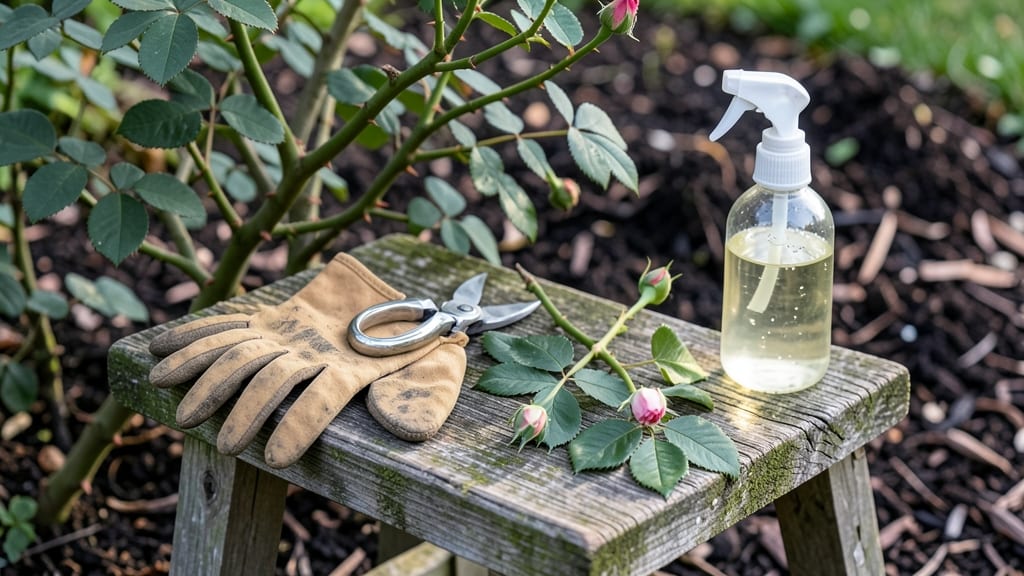
How to cut roses off the bush the right way—and watch them transform into blooming powerhouses. ✂️ The right cuts mean more flowers, fewer diseases, and bushes that look like they’ve been professionally shaped. I’ve turned my once-ragged rose bushes into lush, productive plants using these exact techniques.
Start with clean, sharp pruners and a clear goal: remove dead wood, shape the bush, and encourage new growth. Most people over-prune in winter, which stresses the plant—spring is actually the better time for heavy cuts.
You’ll work in stages, focusing first on dead or crossing branches, then thinning to improve airflow.
Within 4-6 weeks, you’ll see fresh green shoots where you made cuts, and by summer, those will turn into abundant blooms. The key is cutting at a 45-degree angle just above an outward-facing bud, which directs growth outward for a fuller bush.
Works for hybrid teas, floribundas, and even climbing roses. The same principles apply whether you’re shaping a small patio bush or a towering garden climber. Let’s get those branches trimmed right!
📚 In This Guide
- What you need
- Instructions
- Tips and common mistakes
- Wrapping up and next steps
What you need
- ● Bypass pruners: A sharp, high-quality pair (e.g., Felco or Corona) to make clean cuts. Size: 6-8 inches for most roses.
- ● Loppers: For thicker stems (½ inch or larger). Look for: 18-24 inch blades with a comfortable grip.
- ● Pruning saw: For stubborn, woody stems. Type: Curved-tooth saw for clean cuts.
- ● Disinfectant (70% isopropyl alcohol or bleach solution): 1 part bleach to 9 parts water to sterilize tools between cuts.
- ○ Gloves: Heavy-duty gardening gloves (optional but recommended to protect from thorns and dirt).
- ● Rubbing alcohol wipes: For quick tool disinfection on the go.
- ● Pruning sealant: (e.g., tree wound paint) for large cuts—only use if your roses are disease-prone.
- ● Knee pads or stool: For comfort during long pruning sessions.
- ● Trash bag or bucket: To collect pruned stems and debris easily.
- ● Know your rose type: Hybrid teas, floribundas, and climbers have different pruning needs!
- ● Check the weather: Aim for a dry, overcast day to avoid stressing the plant.
- ● Gather a bucket of water: To clean tools and rinse off sap if needed.
Tips & tricks for pruning roses like a pro
Pruning roses might seem intimidating, but these simple tricks will help you achieve that perfect balance between shape and health.
Tool Prep is Non-Negotiable: Before you even touch a cane, clean your sharp bypass pruners with rubbing alcohol between cuts. I learned this the hard way after seeing fungal spots appear on my roses—clean tools prevent spreading diseases. Also, always use sharp blades; dull shears tear stems instead of making clean cuts, which invites infection.
The 45-Degree Angle Matters More Than You Think: In Step 2 and Step 3, those 45-degree cuts aren't just for show—they create a natural water runoff path. Make sure your cut is angled outward from the bud, about ¼ inch above it. This simple detail keeps water from pooling and rotting the stem. Think of it like a tiny roof directing rain away from your plant's fresh wound.
Bud Selection is Your Secret Weapon: When pruning in Step 4, always cut just above an outward-facing bud. This might seem picky, but it's what transforms a messy bush into an open vase shape. The outward-facing bud will grow away from the center, creating that airy, flowering structure we all love. If you're unsure which bud is facing outward, imagine drawing a line from the center of the bush outward—your cut should be just above that direction.
Timing is Everything for New Growth: The 2-3 week window mentioned for new growth to appear is your reward for doing it right. To maximize this, prune on a cool, cloudy day in late winter or early spring when buds are just starting to swell. Avoid pruning when roses are flowering or in extreme heat—your plant needs energy to heal, not to fight stress or produce blooms.
Pro Tips for Cut Roses Off Bush
- Pruning roses might seem intimidating, but these simple tricks will help you achieve that perfect balance between shape and health.
- Tool Prep is Non-Negotiable: Before you even touch a cane, clean your sharp bypass pruners with rubbing alcohol between cuts.
- The 45-Degree Angle Matters More Than You Think: In Step 2 and Step 3, those 45-degree cuts aren't just for show—they create a natural water runoff path.
Frequently asked questions
Got questions about pruning roses like a pro? Here are answers to the most common ones—so you can keep your bushes thriving with confidence!
When is the best time to cut roses off the bush?
The ideal time depends on your climate and rose type. For spring-blooming varieties, prune in early spring (just before new growth starts). Repeat-blooming roses (like hybrid teas) should be pruned in late winter or early spring, then lightly trimmed after each bloom cycle. Avoid pruning in fall—it can stimulate tender new growth that won’t survive winter.
How do I know if I’m cutting roses at the right angle?
Aim for a 45-degree angle about ¼ inch above a bud that faces outward. This angle helps water run off the cut and prevents rot. If you’re unsure, look for the “eyes” (buds) on the stem—these are your guide! Always cut just above a bud to encourage strong, healthy growth.
What if I accidentally cut too much off my rose bush?
Don’t panic! If you’ve over-pruned, your rose may take longer to recover, but it can bounce back. Focus on watering deeply and fertilizing lightly (use a balanced rose fertilizer) to support regrowth. Avoid heavy pruning for at least a year—let the bush recover its strength first.
Can I cut roses off the bush anytime, or does timing matter?
Timing absolutely matters! Pruning at the wrong time (like mid-summer) can stress the plant or leave it vulnerable to disease. Always prune dormant season (late winter/early spring) for best results. If you must trim during the growing season, do it lightly to avoid shocking the plant.
What should I do with the cut rose stems after pruning?
Don’t toss them! Use pruned stems for bouquets, rose water (simmer in water for a fragrant infusion), or even propagation. To propagate, dip the cut end in rooting hormone and plant in well-draining soil. Keep the soil moist, and you might get new rose bushes in a few months!
Wrapping up and next steps
Cutting roses off their bush might seem intimidating, but with the right tools and technique, you’ll unlock healthier blooms, stronger growth, and a thriving garden.
Remember: clean cuts, sharp tools, and timing are your best friends—prune at the right angle, remove dead wood, and fertilize afterward for maximum success. 🌸
Now that you’re armed with confidence, grab those shears and get pruning! Start with just a few stems to build your skills, then expand as you gain experience.
Before you know it, your rose bush will be bursting with vibrant, long-lasting flowers—and you’ll be the proud gardener behind it. Happy pruning! 🌱