
Propagation
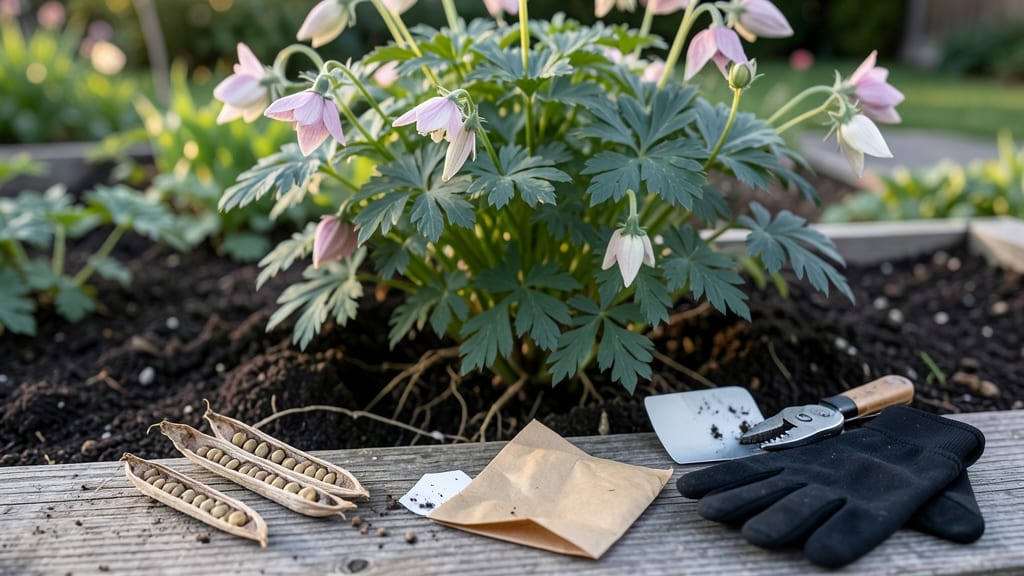
Columbine seeds hold the promise of next year’s vibrant blooms—if you know when and how to collect them. 🌱 Last summer, I nearly missed my window, and my garden lost a chance to double its delicate purple spires.
The key is patience: waiting for those seed pods to turn from green to papery brown signals it’s time to harvest.
You’ll need just a few simple tools: pruning shears for clean cuts, a small paper bag for drying pods, and gardening gloves to protect your hands from the pods’ tiny barbs. The real trick?
Harvesting after the pods split open naturally—this ensures the seeds inside are fully mature and ready for storage. Rushing the process means lower viability, and nobody wants to waste potential.
Once collected, let the pods dry completely indoors for 1-2 weeks before gently shaking out the seeds. Store them in an envelope labeled with the variety and date—columbine seeds stay viable for 3-5 years if kept dry and cool.
The payoff? A tray of seedlings next spring that’ll outshine any store-bought plants.
Fair warning: columbines are finicky about pollination. If your plants didn’t bloom heavily, you might need to hand-pollinate with a paintbrush for better seed set. But even a few pods mean dozens of new plants—enough to share with neighbors who’ll envy your garden’s height and color.
📚 In This Guide
- What you need
- Instructions
- Tips and common mistakes
- Wrapping up and next steps
What you need
- ● Mature columbine plants (preferably with fully ripened seed pods—green turning brown is a good sign!)
- ● Sharp pruning shears or scissors (sterilized to avoid disease transfer)
- ● Paper bags or breathable mesh sacks (1–2 per plant, depending on pod quantity)
- ● Labeling tags or markers (to note varieties and harvest dates)
- ● Drying surface (a well-ventilated tray, screen, or cardboard box)
- ● Patience! 😉 (Seeds need 2–4 weeks to fully dry indoors)
- ● Glove (to protect hands from prickly seed pods)
- ● Small fan or dehumidifier (speeds up drying in humid climates)
- ● Seed envelope or jar (for long-term storage after drying)
- ● Camera or notebook (to document pod colors/shapes for future reference)
- ● Desiccant packets (keeps seeds dry during storage)
Step-by-step instructions for harvesting columbine seeds
Timing and technique make all the difference—here’s how to collect seeds that’ll grow into next year’s showstopper blooms.
🌱 Step 1: Wait for Pods to Ripen Fully
Columbine seed pods start green and firm but must turn tan to brown before harvesting. I know they’re ready when the pods feel papery dry—just give them a gentle squeeze, and they’ll crumble slightly. Harvesting too early means immature seeds that won’t sprout.
Watch for the pods to split open naturally along their seams. This usually happens 4-6 weeks after flowering, depending on your climate. If you miss the window, pods may shatter and scatter seeds prematurely—so check plants weekly once blooms fade.
🪴 Step 2: Collect Seeds Before They Scatter
Once pods are dry, use clean scissors or pruners to snip them off the stems. Place pods in a paper bag (not plastic—it traps moisture and encourages mold). I label each bag with the variety and date to avoid mixing types.
Don’t rush to open the pods immediately. Let them dry indoors for 2-3 days in a warm, dry spot (like a sunny windowsill). This ensures any lingering moisture evaporates, preventing rot during storage.
✂️ Step 3: Extract and Store Seeds Properly
Once pods are completely dry, gently crush them by hand over a clean sheet of paper to release the seeds. Columbine seeds are tiny and flat, often with a winged or feathery attachment—don’t mistake these for chaff. Collect only the plump, firm seeds that look intact.
Store seeds in an airtight container (like a small glass jar) with a silica gel packet to absorb moisture. Keep them in a cool, dark place (like a fridge) for up to 2 years. Viability drops sharply after that, so label containers with the harvest year.
💧 Step 4: Stratify Seeds for Better Germination (Optional but Recommended)
Columbine seeds benefit from stratification, a cold treatment that mimics winter. Mix seeds with slightly damp sand or peat moss in a sealed bag, then refrigerate for 4-6 weeks. Check moisture weekly—seeds should feel damp but not soggy.
After stratification, sow seeds in well-draining soil at a depth of ¼ inch. Keep the soil consistently moist (not wet) and place pots in bright, indirect light until germination, which can take 2-4 weeks. Patience pays off—stratified seeds sprout more reliably and grow stronger.
☀️ Step 5: Transplant Seedlings for a Thriving Garden
Once seedlings develop 2-3 true leaves, they’re ready for transplanting. Choose a sunny spot with well-draining soil—columbines hate soggy roots. Space plants 12-18 inches apart to give them room to mature.
Water deeply after transplanting to help roots establish, then maintain even moisture for the first month. Mulch around the base with 2-3 inches of organic mulch to retain moisture and suppress weeds. With proper care, your homegrown columbines will bloom next year with even more vigor.
Tips & tricks for perfect columbine seed collection
Common pitfalls—and how to sidestep every one—when harvesting these delicate blooms.
Timing Secret: The 8-10 week window after flowering is critical—this is when pods develop that perfect brown, papery texture. I learned this the hard way after missing two harvests by waiting too long. Check pods every 3-4 days during this window: squeeze gently, and if they feel dry and brittle, they're ready. If they're still leathery, give them more time.
Harvest Technique: Always leave that ½-inch stem attached when snipping pods. I skipped this for years and ended up with shriveled seeds. The stem helps maintain moisture balance during drying. Use clean scissors or pruners—dirty tools can introduce contaminants that harm the seeds.
Drying Strategy: Spread pods on a mesh screen or hang them upside down in bundles for that 1-2 week drying period. This airflow prevents mold while ensuring even drying. I discovered the hard way that plastic bags trap moisture—condensation ruins seeds faster than you'd think. If pods start opening prematurely, cover them with breathable fabric to catch any released seeds.
Storage Wisdom: Those desiccant packets in your airtight container aren't just for show—they're essential for maintaining seed viability. I've seen seeds last 2-3 years when stored properly in the fridge, but without desiccants, they lose moisture and viability within months. Label containers with the harvest year to track freshness and rotation.
Pro Tips for Collect Columbine Seeds
- Common pitfalls—and how to sidestep every one—when harvesting these delicate blooms.
- Timing Secret: The 8-10 week window after flowering is critical—this is when pods develop that perfect brown, papery texture.
- Harvest Technique: Always leave that ½-inch stem attached when snipping pods.
Frequently asked questions
Got questions about collecting columbine seeds? You’re not alone! Here are answers to the most common concerns—so you can save those seeds like a pro and grow next year’s stunning blooms with ease.
When is the best time to harvest columbine seeds?
Collect seeds when the pods turn brown and dry but before they split open—usually late summer to early fall. If you wait too long, the seeds will scatter on their own, and you’ll miss your chance!
How do I know if the seeds inside are mature?
Press gently on a dried pod—if it feels papery and hollow (not crunchy), the seeds are ready. Look for tiny, wrinkled seeds inside (about the size of a pinhead). If they’re still green or soft, wait a few more days.
What if my columbine pods never dry out?
Humid or rainy weather can delay drying. Try harvesting pods early (when they start browning) and drying them indoors in a paper bag with holes for 1–2 weeks. If mold appears, toss them—fresh seeds are your best bet!
Can I collect seeds from wild columbines?
Yes, but check local regulations first—some wild areas protect native plants. If harvesting from the wild, take only a few pods per plant to avoid harming the population. Always prioritize sustainability!
How long can I store columbine seeds?
Store seeds in a cool, dry place (like a sealed envelope in the fridge) for up to 2–3 years. Label them with the date! For best germination, sow seeds fresh or within a year—they lose viability over time.
Wrapping up and next steps
Collecting columbine seeds is a rewarding way to ensure vibrant blooms for seasons to come!
By mastering the timing, tools, and techniques—like waiting for pods to turn brown and handling them with care—you’ll unlock a bounty of seeds ready for propagation. Now’s your chance to turn those dried pods into next year’s garden stars!
Ready to grow? Plant your seeds in well-draining soil and watch your columbine thrive—your future garden will thank you! 🌱✨