
Propagation
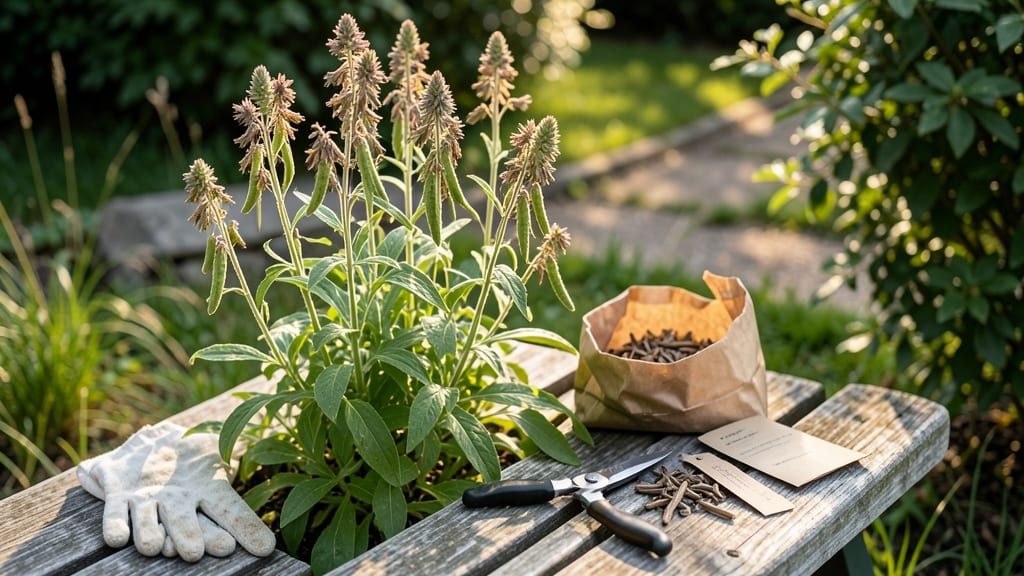
Collecting phlox seeds unlocks next year’s garden magic. 🌸 I’ve saved seeds for years, and the secret isn’t complicated—it’s all about timing and patience. Those fluffy seed pods appear after blooms fade, but harvesting too early ruins everything.
You’ll need sharp scissors, a paper bag, and a sunny spot to dry pods. The best time to harvest is when pods turn light brown and split open slightly—usually late summer to early fall. Phlox seeds are tiny but mighty, and proper drying ensures they’ll germinate strong next spring.
Once dried, store seeds in a cool, dark place until planting. A simple envelope works, but airtight containers keep them fresh longer. With the right timing, you’ll have vibrant blooms returning year after year—no nursery trips needed.
Fair warning: some phlox varieties cross-pollinate, so if you want pure colors, isolate plants. But even mixed seeds bring cheerful surprises. Start small, and soon you’ll be sharing your seed stash with fellow gardeners.
📚 In This Guide
- What you need
- Instructions
- Tips and common mistakes
- Wrapping up and next steps
What you need
- ● Mature phlox plants: Healthy, disease-free plants with fully developed seed pods (choose varieties like Phlox paniculata or Phlox drummondii for best results).
- ● Sharp pruning shears or scissors: Clean, sterilized tools to snip seed pods without damaging stems.
- ● Paper bags or breathable mesh bags: 2–3 medium-sized bags (12x16 inches) to collect and dry seeds.
- ● Labeling tags or markers: Waterproof labels to tag seeds by variety and collection date.
- ● Drying tray or rack: A flat, elevated surface (like a wire rack or cardboard) to air-dry seeds for 2–4 weeks.
- ● Fine mesh sieve or sifter: A small sieve (¼-inch mesh) to separate seeds from chaff and debris.
- ● Paper towels or parchment paper: For spreading seeds out during drying.
- ● Desiccant packets: Place 1–2 in seed bags to speed up drying in humid climates.
- ● Seed storage containers: Airtight, labeled jars or envelopes for long-term storage (e.g., mason jars with silica gel).
- ● Hand lens or magnifying glass: For inspecting seed viability before planting.
- ● Garden journal: To log seed sources, varieties, and germination notes for future reference.
- ● Humidity monitor: Useful if drying seeds indoors to maintain ideal 30–50% humidity.
Tips & tricks for perfect phlox seed collection
Here's what I've learned after years of perfecting my phlox seed harvest—these little details make all the difference between a handful of seeds and a full collection.
Timing is Everything: The 3-4 day check interval starting in August is non-negotiable because phlox pods mature unevenly. I mark my calendar with reminders—missed windows mean lost seeds. Watch for the pods to turn completely tan or brown, not just slightly yellowed. A quick squeeze test is your best friend here: if it crumbles easily, you're golden.
Harvest Technique Matters: Leaving that 1-inch stem attached during Step 2 prevents seeds from spilling out when you handle the pods. I use clean bypass pruners to avoid crushing the delicate stems, and I always harvest on dry mornings—this prevents moisture buildup that can lead to mold during the drying process. The paper bag is crucial too; plastic traps moisture and ruins everything.
Storage Wisdom: That 1-2 week drying period in a warm, dry spot is where most people go wrong. I place my paper bags on a mesh rack in my garage (out of direct sunlight) and shake them daily. The seeds will start falling out naturally after 3-4 days, but I leave them in the bag for the full 2 weeks to ensure all pods open completely. This mimics how nature disperses seeds and gives you the cleanest collection possible.
Spring Planting Prep: The 65-70°F warm spot for seed trays is critical for germination. I use a seedling heat mat under my trays to maintain consistent warmth, especially if my spring weather fluctuates. Those 2-3 weeks until emergence seem long, but patience pays off—phlox seedlings are delicate and need that stable environment to establish strong roots before transplanting.
Pro Tips for Collect Phlox Seeds
- Here's what I've learned after years of perfecting my phlox seed harvest—these little details make all the difference between a handful of seeds and a full collection.
- Timing is Everything: The 3-4 day check interval starting in August is non-negotiable because phlox pods mature unevenly.
- Harvest Technique Matters: Leaving that 1-inch stem attached during Step 2 prevents seeds from spilling out when you handle the pods.
Frequently asked questions
Got questions about phlox seed collection?
You’re not alone—gardeners often wonder about timing, storage, and even whether it’s worth the effort. Here are answers to the most common queries to help you master the process!
When is the best time to collect phlox seeds?
Collect phlox seeds when the seed pods turn from green to light brown and begin splitting open—usually late summer to early fall (August–October, depending on your climate). Wait too long, and the seeds may scatter or get eaten by birds. Aim for a dry, sunny day to make harvesting easier!
How long do phlox seeds stay viable for storage?
Phlox seeds typically stay viable for 1–2 years if stored properly in a cool, dry place (like a sealed envelope or jar in the fridge). For best results, label them with the collection date and plant variety to track freshness. Pro tip: Test a few seeds yearly to check germination rates!
Can I collect seeds from hybrid phlox?
Hybrid phlox (like Phlox paniculata cultivars) often produce seeds, but they may not grow true to the parent plant. If you love a specific hybrid, consider taking stem cuttings instead for identical blooms. For heirloom or wild phlox, seed collection is a fun experiment!
What do I do if birds or squirrels eat my seed pods?
Don’t worry—it’s a common issue! To deter critters, cover seed heads with mesh bags (like onion netting) once they mature. Alternatively, harvest pods as soon as they turn brown to outpace hungry wildlife. A little patience (and maybe a scarecrow ) goes a long way!
Do phlox seeds need stratification before planting?
Most phlox seeds do not require cold stratification—just sow them outdoors in fall or early spring for natural germination. If you’re sowing indoors, a quick 2-week cold treatment (place seeds in a sealed bag in the fridge) can boost success. Test a few seeds to see what works best for your climate!
Wrapping up and next steps
Collecting phlox seeds is a rewarding way to expand your garden while ensuring vibrant blooms for seasons to come!
By following the right timing—waiting for seed pods to mature and turn brown—you’ll unlock a cost-effective and fulfilling gardening adventure. 🌱 With just a little patience and these simple steps, you’re on your way to nurturing new phlox plants that’ll brighten your landscape.
Ready to dive deeper? Start planning your seed-saving routine or explore how to sow phlox seeds for optimal growth—your future garden awaits! 🌸