
How To
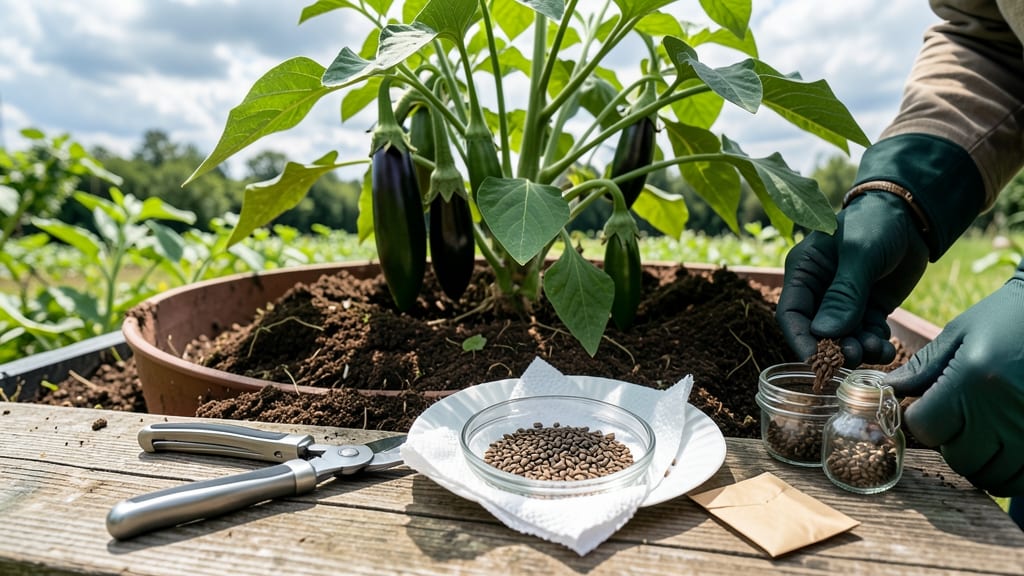
Harvesting eggplant seeds from your homegrown 🍆 plants is the ultimate way to save money and preserve heirloom varieties for next season—but most gardeners don’t realize how simple it can be.
With just a few key steps, you can turn overripe eggplants into high-quality seeds ready for planting. Whether you're growing Black Beauty or a rare purple-streaked variety, this method ensures strong germination rates and healthy new plants.
I’ll walk you through the exact process—from selecting the right fruit to fermenting, drying, and storing seeds properly. Avoid common mistakes that waste seeds and learn how to maximize viability for years of homegrown harvests.
Ready to skip the seed packets and grow your own? Let’s get started with this foolproof guide that turns kitchen scraps into next year’s garden staples.
Step-by-step guide to harvesting eggplant seeds from ripe fruit
Harvesting eggplant seeds is a rewarding way to preserve heirloom varieties and ensure next year’s plants grow true to type. The process involves selecting the right fruit, extracting seeds, and properly drying them for long-term storage.
Let’s break it down into simple, actionable steps to maximize your seed viability and germination rates.
First, you’ll need to identify ripe eggplants ready for seed saving. Look for fruit that’s fully colored (deep purple, white, or other mature hue), firm to the touch, and about 6-8 inches long. Avoid overripe or spoiled fruit, as these can harbor diseases that reduce seed quality.
Once you’ve selected your eggplants, gather these essential tools: a sharp knife, bowl, spoon, fine mesh strainer or cheesecloth, and paper towels. You’ll also need a warm, slightly damp environment for fermentation and a cool, dry space for drying seeds.
🌱
Step-by-Step Eggplant Seed Harvesting
- Step 1: Select Ripe Fruit
Choose 3-5 fully mature eggplants from healthy plants. Avoid hybrid varieties (marked with F1) as their seeds won’t grow true.
- Step 2: Extract Seeds
Cut open the eggplant and scoop out the seeds and gel into a bowl. Rinse seeds under cool water to remove excess pulp.
- Step 3: Ferment the Seeds
Cover the bowl with a cloth and let it ferment in a warm spot (70-80°F) for 2-4 days. This removes the gel, preventing premature sprouting.
- Step 4: Clean the Seeds
Strain the seeds and rinse them thoroughly. Spread them on a paper towel to dry in a cool, dry place for 3-5 days.
- Step 5: Test Viability
Place 10 seeds on a damp paper towel. If 80%+ germinate in 7-10 days, your seeds are viable for planting.
- Step 6: Store Seeds
Transfer dry seeds to an airtight container with a silica gel packet. Store in a cool, dark place for up to 5 years.
Timing is critical for successful seed harvesting. Start the process in late summer when eggplants are fully mature but before the first frost. If your plants produce fruit too late in the season, you can harvest green eggplants and let them ripen indoors on a sunny windowsill.
One common mistake is skipping the fermentation step, which can lead to moldy seeds. The gel surrounding eggplant seeds contains inhibitors that prevent germination, so fermentation is essential. If you notice a foul smell during fermentation, rinse the seeds immediately and restart the process.
For best results, label your seed containers with the variety name and harvest year. This helps you track which seeds to plant and when. You can also include notes about the plant’s performance, such as disease resistance or yield size, to improve future growing seasons.
Once your seeds are dried and stored, you’re ready to plant them next spring. Heirloom eggplants saved from your garden will grow into plants identical to their parents, ensuring a consistent harvest year after year.
🌿
Step-by-step guide to harvesting eggplant seeds from ripe fruit
Harvesting eggplant seeds starts with selecting the right fruit—look for overripe eggplants that are soft, wrinkled, and starting to split open naturally. These mature eggplants contain fully developed seeds ready for extraction.
Avoid harvesting seeds from hybrid varieties unless you’re certain they’re open-pollinated, as hybrid seeds often don’t produce true-to-type plants.
Once you’ve identified the perfect seed-bearing eggplants, cut them open lengthwise with a clean knife or your hands. Scoop out the seedy gel and seeds into a glass jar or bowl.
The gel is sticky and helps protect the seeds, but it must be removed before drying. This step is crucial for preventing mold and ensuring high germination rates later.
How to Harvest Eggplant Seeds: Step-by-Step
- Step 1: Select Overripe Fruit 1 Choose soft, wrinkled eggplants that are splitting open. These indicate fully ripe seeds.
- Step 2: Extract Seeds and Gel 2 Slice open the eggplant lengthwise and scoop seeds + gel into a glass jar. Avoid metal containers to prevent contamination.
- Step 3: Ferment for 3-5 Days 3 Cover the jar loosely and let it ferment at room temperature (68–75°F). This breaks down the gel, making seeds easier to clean.
- Step 4: Rinse and Dry Seeds 4 After fermentation, rinse seeds under cool water to remove remaining gel. Spread on a paper towel to dry for 1–2 weeks.
- Step 5: Store Seeds Properly 5 Once completely dry, store seeds in a paper envelope or airtight container in a cool, dark place for up to 3 years.
The fermentation step is non-negotiable—it removes the gel that can cause mold and ensures clean, viable seeds. Place your jar in a warm, dark spot (like a pantry) and stir daily to prevent mold growth.
You’ll know fermentation is complete when the gel turns into a liquid and the seeds sink to the bottom.
After fermentation, rinse the seeds thoroughly under cool water to remove any remaining gel or debris. Lay them on a paper towel or seed-saving screen in a well-ventilated area away from direct sunlight.
Stir them occasionally to ensure even drying, which typically takes 1–2 weeks. Once dry, they’ll be hard and dark, ready for storage.
Store your dried eggplant seeds in a paper envelope or glass jar with a silica gel packet to absorb moisture. Label the container with the variety name and harvest year to avoid confusion.
With proper storage, these seeds can remain viable for 3–5 years, giving you a self-sustaining eggplant supply for future gardens.
Pro tip: Test a few seeds before storing the rest by planting them in potting soil. If they sprout within 7–14 days, your seeds are ready for long-term storage. This simple test saves you from wasted effort and ensures you’re saving high-quality seeds for next season.