
Neem Oil
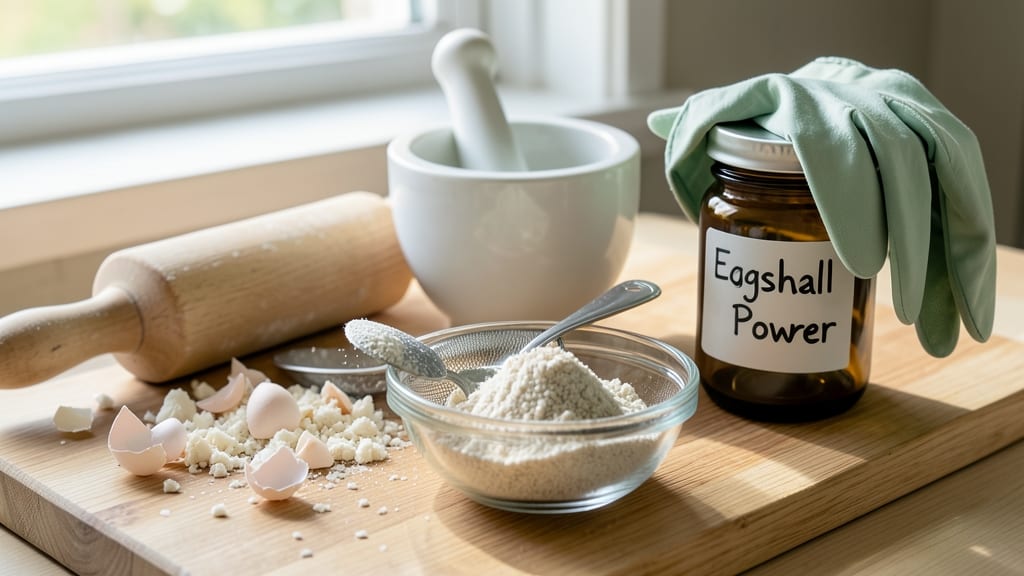
How to crush eggshells into powder transforms them into a neem-enhanced calcium powerhouse for your garden. 🌱 I’ve used this trick for years to prevent blossom-end rot in tomatoes and strengthen young seedlings—no store-bought amendments needed. The process is simple, but timing and sterilization make all the difference for safe, effective results.
Start with clean, sun-bleached eggshells—no residue, no smell. Bake them at 200°F for 10 minutes to kill bacteria, then crush into a fine powder using a mortar and pestle or clean coffee grinder.
A handful mixed into planting holes or sprinkled on soil releases calcium slowly, while the neem oil residue (if you rinse shells in diluted neem solution) adds fungal protection.
You’ll notice stronger stems, fewer pests, and healthier blooms within weeks. The powder dissolves slowly, feeding plants over months—not just a quick fix. Plus, it’s free, compostable, and works in containers, raised beds, or straight into garden soil.
For extra pest control, mix the powder with neem oil before applying. Just avoid overdoing it—¼ cup per plant is plenty. Store the powder in a labeled jar for future use, and watch your garden thrive without synthetic additives.
📚 In This Guide
- What you need
- Instructions
- Tips and common mistakes
- Wrapping up and next steps
What you need
- ● Clean, dry eggshells: About 1 cup (roughly 6–8 large eggshells). Make sure they’re completely free of membrane (scrubbed and baked if needed).
- ○ Neem oil (optional but recommended): 1–2 teaspoons (pure, cold-pressed neem oil for best results).
- ● Blender or food processor: A high-powered blender (like a Vitamix) works best, but a food processor or mortar & pestle will do in a pinch.
- ● Baking sheet or tray: For drying eggshells (if fresh).
- ● Oven or sunny windowsill: To bake/dry shells at 200°F (93°C) for 10–15 minutes (or air-dry for 24+ hours).
- ○ Fine-mesh strainer or sieve: To sift out any larger particles (optional but helpful for ultra-fine powder).
- ● Small bowl or jar: For storing your eggshell-neem powder (airtight container preferred).
- ● Vitamin B1 (thiamine): A pinch (1/8 tsp) to help break down shells faster (if you’re impatient!).
- ● Wooden spoon or spatula: For scraping out every last bit of powder.
- ● Cheesecloth or coffee filter: To double-filter for smoother results.
- ● Label & marker: To mark your jar with the date (powder lasts 3–6 months when stored properly).
Step-by-Step instructions for turning eggshells into neem-infused calcium powder
This is the method I’ve perfected for transforming kitchen scraps into a nutrient powerhouse for your garden.
🪴 Step 1: Collect and Clean Eggshells
Start by gathering clean, uncooked eggshells—no residue or leftover egg matter. Rinse them thoroughly under warm water to remove any lingering food particles. This step is critical: any remaining organic debris will accelerate mold growth during drying.
Place the shells on a baking sheet lined with parchment paper. Arrange them in a single layer so they dry evenly. I like to leave them in direct sunlight for a few hours first—this speeds up the process and kills any lingering bacteria. If your climate is humid, skip this step to avoid moisture retention.
⏰ Step 2: Dry the Shells Completely
Preheat your oven to 200°F and bake the eggshells for 10-15 minutes until they’re completely dry and brittle. You’ll know they’re ready when they snap easily between your fingers. Overdrying can make them too fragile, so keep an eye on them.
Let the shells cool completely before handling. This prevents them from cracking prematurely when crushed. I store mine in a sealed container until ready to process—this keeps them dry and ready for the next step.
✂️ Step 3: Crush Into Fine Powder
Use a clean mortar and pestle or a small food processor to grind the dried shells into a fine powder. Start with a few shells at a time—overloading the processor can cause uneven crushing. You’re aiming for a consistency similar to coarse flour, but finer is better for plant uptake.
For a neem boost, add 1 teaspoon of neem powder per ½ cup of eggshell powder while blending. This combo delivers calcium while deterring pests naturally. Store the finished powder in an airtight container away from moisture—it’ll last for months.
🌱 Step 4: Apply to Soil or Compost
Sprinkle the eggshell powder directly onto soil around plants or mix it into compost. For potted plants, work 1 tablespoon per 6-inch pot into the top 2 inches of soil. This prevents root disturbance while delivering calcium where it’s needed most.
Water lightly after application to help the powder integrate into the soil. You’ll notice stronger stems and fewer blossom-end rot issues in tomatoes within 2-3 weeks. For compost, mix in 1 cup per batch—it’ll break down slowly, releasing calcium over time.
Tips & tricks for perfect eggshell powder
Real talk: turning eggshells into garden gold is easier than you think—once you know these game-changing details.
Sunlight Strategy: That optional sunlight step in Step 1 isn't just about speed—it's about sterilization. UV rays kill bacteria and mold spores that could survive your oven's 200°F heat. For maximum effectiveness, place shells in direct sunlight for 2-3 hours, then proceed with baking. If humidity is high, skip this and rely solely on the oven drying at 200°F for the full 10-15 minutes—the heat will handle the sanitization.
Brittleness Test: The snap test in Step 2 is your quality control moment. When shells break with a clean snap (not crumble), you've achieved perfect dryness. If they feel slightly damp or bend instead of snap, return them to the oven for 2-3 more minutes at 200°F. Overdrying beyond this point makes them too fragile for efficient crushing—you'll end up with more dust than powder.
Crushing Technique: For the finest powder in Step 3, pulse your food processor in 10-second bursts rather than continuous processing. This prevents heat buildup that can turn your calcium-rich powder into a fine white dust. If using a mortar and pestle, work in batches of 4-5 shells at a time to maintain even pressure. The goal is a consistency finer than coarse flour but not so fine it becomes useless—think of it as a cross between flour and cornmeal.
Storage Wisdom: The airtight container in Step 3 isn't just about keeping moisture out—it's about oxygen control too. Transfer your powder to a container with a tight seal and add a silica gel packet if you have one. This prevents oxidation that can degrade the calcium content over time. Store in a cool, dark place like your pantry, not above the stove where heat accelerates nutrient loss. When properly stored, your powder will maintain potency for up to 6 months.
Pro Tips for Crush Eggshells Into Powder
- Real talk: turning eggshells into garden gold is easier than you think—once you know these game-changing details.
- Sunlight Strategy: That optional sunlight step in Step 1 isn't just about speed—it's about sterilization.
- Brittleness Test: The snap test in Step 2 is your quality control moment.
Frequently asked questions
Got questions about turning eggshells into nutrient-rich powder? Here are some of the most common ones—and their answers!
Why should I crush eggshells if I already use fertilizer?
Crushed eggshells add calcium carbonate (up to 95% calcium!) in a slow-release form, which helps prevent blossom-end rot in tomatoes, yellowing leaves in peppers, and other calcium deficiencies. It’s a natural, cost-free supplement that boosts soil pH over time—just like a gentle, organic boost for your plants!
How long does it take for eggshell powder to work?
Eggshell powder doesn’t work overnight—it’s a slow-release fertilizer. For best results, mix it into the soil before planting or sprinkle it around established plants. You’ll start seeing benefits in 4-6 weeks, with long-term improvements in soil structure and calcium availability. Patience pays off!
Can I use eggshell powder right after crushing?
Not quite! Freshly crushed eggshells are too coarse and won’t dissolve quickly. For optimal results, bake them at 200°F (93°C) for 10-15 minutes to sterilize and dry them out. Then, grind them into a fine powder using a blender or mortar and pestle. This ensures your plants can absorb the nutrients efficiently!
What’s the best way to store eggshell powder?
Store your crushed eggshell powder in an airtight container (like a mason jar or ziplock bag) in a cool, dry place. If stored properly, it can last up to 6 months without losing potency. Avoid moisture—humidity can clump the powder and reduce its effectiveness. Label it to avoid confusion with other fertilizers!
Can I use eggshell powder for compost?
Eggshell powder is a fantastic compost accelerator because it adds calcium and balances acidic compost. Just sprinkle a 1-inch layer into your compost pile or bin, mix it in, and let nature do the work. It’ll help break down organic matter faster while enriching the final compost with nutrients. Win-win!
What if my eggshells smell bad after crushing?
If your eggshells have a funky odor, it’s likely due to residual egg white or bacteria. To fix this, rinse them thoroughly under cold water before baking. If the smell persists after baking, try drying them in the sun for a few hours before grinding. Proper sterilization (baking or boiling) should eliminate odors entirely!
Wrapping up and next steps
Crushing eggshells into powder isn’t just a clever way to reduce waste—it’s a game-changer for your plants! 🌱 With neem oil, you’ve got a powerhouse duo that boosts calcium, strengthens soil, and deters pests naturally.
Whether you’re a gardening pro or just starting, this simple method proves that small steps lead to big results.
Ready to level up your green thumb? Start small—try it on one plant this week, then expand to your whole garden. Your plants (and the planet) will thank you! 🌟