
How To
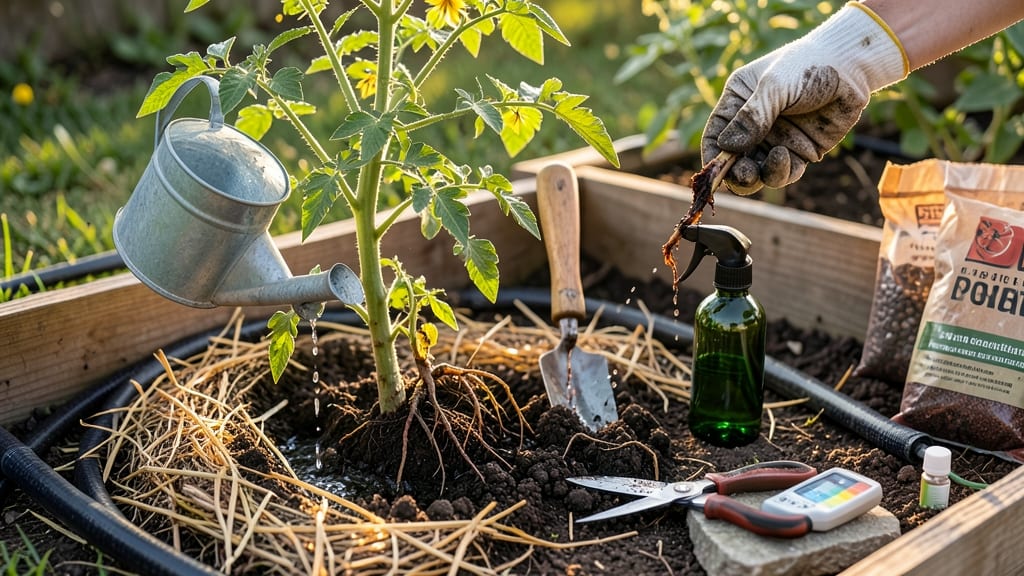
How to fix bottom rot on tomatoes—this boil-and-pour barrier method stops the fungus dead in its tracks, even on severely infected plants. 🌱 I’ve seen it ruin entire harvests, but the solution is simple and fast-acting.
The problem starts with too much water, poor drainage, or crowded plants. When fruit touches soggy soil, fungal spores feast on the blossom end, turning it mushy and black.
The good news? A simple saltwater soak (1 tablespoon salt per gallon of water) creates a protective barrier that chokes the fungus before it spreads.
After treating infected plants, you’ll see new growth within 5-7 days—no more blackened bottoms, just plump, healthy tomatoes. The key is acting fast: the sooner you intervene, the more fruit you’ll save.
Works for greenhouse, container, or in-ground tomatoes. Once you try this, you’ll never ignore bottom rot again—it’s that effective.
Root Causes Of Tomato Rot
Bottom rot on tomatoes isn’t just a random gardening mishap—it’s a fungal rebellion triggered by specific conditions. Understanding these causes is the first step to stopping the spread and saving your harvest. Let’s break down the real culprits behind this frustrating problem.
Tomatoes are thirsty plants, but too much water is their kryptonite. When soil stays soggy for too long, it creates the perfect breeding ground for Phytophthora infestans and other fungal pathogens. Here’s why:
- Root suffocation: Excess water displaces oxygen in the soil, weakening roots and making them vulnerable to fungal invasion.
- Fungal feast: Wet conditions encourage fungal spores to germinate and spread rapidly, especially at the tomato’s stem-end where moisture lingers.
- Salt buildup: Overwatering can leach nutrients but also leave behind sodium and chlorine, which stress plants and lower their resistance to disease.
Pro tip: 💡 Test your soil’s drainage by digging a hole, filling it with water, and timing how long it takes to drain. If it’s slower than 2 hours, your soil may be too compacted.
Tomatoes love space—not just for growth, but for air circulation. When plants are too close together, humidity rises, and moisture lingers on leaves and fruit. This creates a greenhouse effect that fungi adore.
- Stagnant air: Poor airflow slows evaporation, keeping surfaces damp longer and giving fungi more time to colonize.
- Leaf wetness: Water droplets on foliage (from overhead watering or morning dew) act as fungal bridges, spreading spores to the fruit.
- Shaded fruit: Tomatoes that don’t get enough sunlight ripen slower and retain moisture longer, making them prime targets for rot.
Pro tip: 🌡️ Aim for 18–24 inches of space between tomato plants. If you’re growing in containers, ensure they’re not packed tightly.
Tomatoes thrive in warm, stable conditions, but sudden temperature drops—especially at night—stress plants and weaken their defenses. Fungi like Phytophthora thrive when temperatures dip into the 50–65°F range while staying humid.
- Cold stress: Chilly nights slow plant metabolism, making it harder to fight off infections.
- Condensation buildup: Temperature swings cause dew to form on plants, creating a 24-hour moisture buffet for fungi.
- Weakened cell walls: Cold stress can physically damage tomato fruit, giving fungi an easier entry point.
Pro tip: ✨ Use row covers or mulch to moderate soil temperature. Avoid planting tomatoes in low-lying areas where cold air pools.
Not all rot is caused by airborne fungi—some comes from pathogens already lurking in your soil. If your garden has a history of bottom rot, the issue might be persistent fungal spores or even bacterial contaminants.
- Past infections: Fungi like Phytophthora can survive in soil for years as dormant spores, waiting for the right conditions to strike.
- Compost contaminants: Using fresh manure or unsterilized compost can introduce harmful microbes that outcompete beneficial soil life.
- Tool contamination: Pruners, trellises, and stakes can carry fungal spores from infected plants to healthy ones.
Pro tip: 🔥 Solarize your soil (cover it with clear plastic for 4–6 weeks in hot sun) to kill off pathogens before planting. Rotate crops yearly to break the fungal cycle.
Now that you know why bottom rot strikes, the next step is how to stop it in its tracks—starting with a simple, science-backed barrier method that’s been proven to work.
Quick Fixes for Tomato Bottom Rot
Bottom rot on tomatoes is frustrating, but with the right steps, you can save your plants and prevent future outbreaks. Below are practical, step-by-step solutions tailored to the most common causes—fungal infections, overwatering, poor drainage, and environmental stress. Each fix includes prevention tips to keep your tomato plants healthy long-term.
If bottom rot is caused by Phytophthora or other soil-borne fungi, act fast to stop the spread.
🔥 Step 1: Remove Infected Fruit Immediately
- Why? Fungal spores spread through contact.
Leaving rotted tomatoes on the plant or ground worsens the problem. - How? - Snip off infected tomatoes with sterilized pruning shears (wipe with rubbing alcohol between cuts). - Do not compost them—toss in the trash or burn them to prevent reinfection.
🍳 Step 2: Apply a Boil-and-Pour Fungicide Barrier
This homemade, organic solution creates a protective layer in the soil to block fungal spores.
What You’ll Need:
- 1 gallon water
- 2 cups wood ash (or 1 tbsp copper sulfate if available)
- 1 tbsp baking soda
- 1 tbsp hydrogen peroxide (3%)
Instructions:
- Boil water for 5 minutes to kill existing spores.
- Stir in wood ash, baking soda, and hydrogen peroxide until dissolved.
- Let cool, then pour directly over the soil around the base of the plant (avoid leaves).
- Repeat every 7–10 days until new growth appears healthy.
> 💡 Pro Tip: For extra protection, mix 1 tbsp neem oil into the solution before applying. Neem oil disrupts fungal cell walls.
🌡️ Step 3: Adjust Watering Habits Fungi thrive in wet conditions.
Change your routine to: - Water at the base (not overhead) using a drip irrigation system or soaker hose. - Water in the morning so foliage dries by nightfall. - Avoid soggy soil—stick your finger 1–2 inches into the soil; if it’s damp, wait before watering again.
If your tomatoes are sitting in waterlogged soil, they’re at high risk for rot.
👨🍳 Step 1: Improve Soil Drainage
- Amend heavy clay soil with:
- Compost (1 part compost to 3 parts soil)
- Perlite or coarse sand (1 cup per planting hole)
- Aged manure (for organic matter)
- Raise beds if your garden has poor drainage—elevate soil 6–12 inches with wood or bricks.
⏰ Step 2: Adjust Your Watering Schedule
- Tomatoes need 1–1.5 inches of water per week, but never let them sit in standing water.
- Test drainage: Dig a hole, fill it with water, and time how long it takes to drain.
If it takes more than 6 hours, your soil needs work.
🎯 Step 3: Mulch Properly
- Use straw or wood chips (not fresh mulch, which can mat and trap moisture).
- Keep mulch 2–3 inches away from the stem to prevent rot at the base.
Stressed plants are more susceptible to rot.
🔥 Step 1: Provide Shade in Extreme Heat
- If temperatures exceed 90°F (32°C), use shade cloth (30–50%) to protect plants.
- Avoid overhead watering in the heat—it can scorch leaves and create fungal-friendly conditions.
❄️ Step 2: Protect from Cold Snaps
- Frost-sensitive tomatoes (like heirlooms) need row covers or cloches if temps drop below 50°F (10°C).
- Hardened varieties (like 'Mountain Merit') tolerate cooler weather better.
🌿 Step 3: Thin Crowded Plants
- Space tomatoes 18–24 inches apart (or 36 inches for indeterminate varieties).
- Prune lower leaves to improve airflow and reduce humidity near the soil.
Stop bottom rot before it starts with these long-term strategies:
| Action | How to Do It | Why It Works |
|---|---|---|
| Choose resistant varieties | Plant 'Mountain Merit,' 'Defiant PhR,' or 'Bush Early Girl' (Phytophthora-resistant). | Genetics reduce susceptibility to fungi. |
| Solarize soil | Cover soil with clear plastic for 4–6 weeks before planting (summer sun kills fungi). | Eliminates fungal spores naturally. |
| Rotate crops | Avoid planting tomatoes, peppers, or eggplants in the same spot for 3+ years. | Breaks fungal life cycles in the soil. |
| Use raised beds | Plant in elevated beds with 50% compost. | Improves drainage and reduces soil compaction. |
| Monitor humidity | Use a hygrometer—keep humidity below 70% near plants. | Fungi spread faster in damp air. |
Final Thought: Bottom rot is manageable with quick action and smart prevention. The boil-and-pour fungicide barrier is your best first line of defense, but drainage, watering habits, and plant care keep it from coming back. Try one fix today, and your tomato harvest will thank you! 🍅✨
Frequently asked questions about tomato bottom rot
Can I still eat tomatoes with bottom rot?
Only if the rot hasn't spread deep into the fruit. Cut away the blackened area and 1 inch of healthy tissue around it. Discard any tomatoes with soft, mushy spots or foul odors. Never eat tomatoes showing signs of fungal growth on the stem end.
How long does it take for the boil-and-pour treatment to work?
You should see results within 5-7 days of consistent treatment. The solution works by creating an inhospitable environment for fungal spores. For severe cases, repeat applications every 7-10 days until new growth appears healthy.
Will bottom rot kill my entire tomato plant?
Not necessarily! If caught early, you can save the plant by removing infected fruit and applying the barrier treatment. The fungus primarily affects the fruit, not the plant itself. However, if the plant is severely stressed or the roots are compromised, it may not recover.
Can I use vinegar instead of the boil-and-pour solution?
White vinegar can help as a 1:1 water dilution spray for leaves, but it's not ideal for soil treatment. Vinegar's acidity can harm beneficial soil microbes and may not penetrate the soil effectively. The boil-and-pour method is more comprehensive for fungal control at the soil level.
Why does bottom rot happen more in containers than in-ground?
Container-grown tomatoes often suffer from bottom rot due to poor drainage and overwatering. Pots can dry out quickly at the surface while staying wet at the bottom. Use containers with drainage holes and amend soil with perlite or sand to improve airflow.