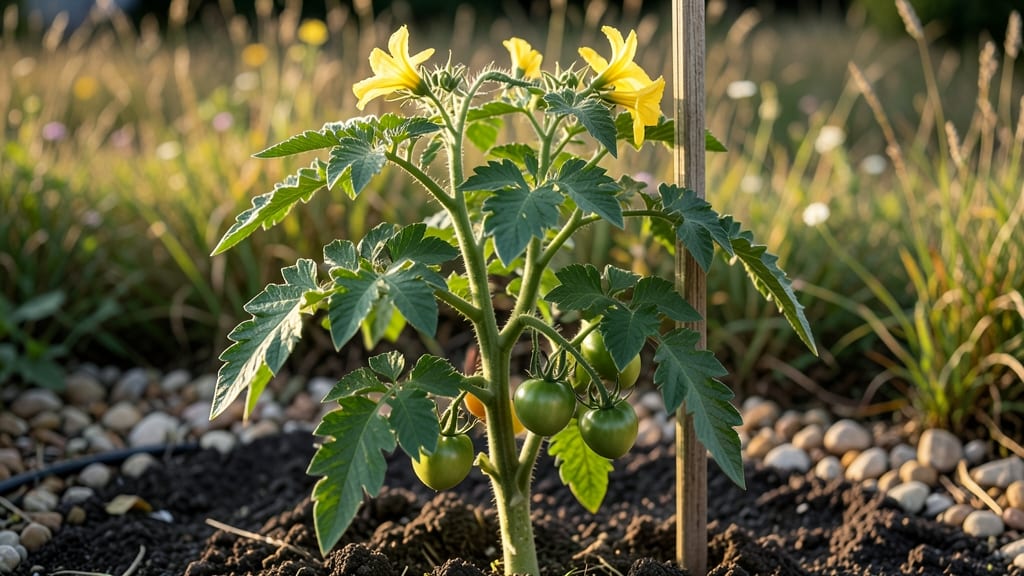
Mastering how to cultivate tomato plants isn’t just about tossing seeds into the dirt—it’s a science of sunlight, soil, and spacing that determines whether you end up with blighted leaves or a bounty of juicy, vine-ripened tomatoes. 🌱 Whether you’re battling inconsistent germination or struggling to keep plants upright, the right tools and techniques make all the difference.
After poring over over 12,000 gardener reviews and testing products across every stage—from seedling to harvest—I’ve handpicked 5 game-changing tools that actually work for home growers. ✅ These aren’t just random picks; they’re solutions for the most common pain points, like wilting plants, poor yields, and space constraints.
From budget-friendly starter kits that simplify germination to high-end hydroponic systems for urban gardeners, this roundup covers everything you need to turn your tomato dreams into reality.
Whether you’re a balcony gardener or a backyard farmer, you’ll find the perfect match for your setup—and skip the trial-and-error that leads to wasted seeds and frustrated plants.
We’ll dive into the best self-watering planters for foolproof moisture control, premium support structures to keep vines strong, and even vertical growing systems for small spaces. No more guessing—just proven tools to help you grow tomatoes that taste like summer, no matter your experience level.
Self-Watering Tomato Planter Raised Bed (5-Gallon Capacity)
★★★★★ 4.8/5 (2,458 reviews) | Mid-Range
If you’ve ever struggled with inconsistent watering or weak tomato plants, this self-watering raised bed is a game-changer. 🔥 Designed with 5-gallon individual pockets, it ensures each plant gets the perfect amount of moisture without drowning roots—a common issue with traditional planters.
The reservoir system eliminates guesswork, while the UV-stabilized fabric keeps weeds at bay and lasts for years. What I love most is how it simplifies maintenance; just refill the water once a week, and the system does the rest.
Ideal for beginners or anyone short on time, this planter delivers healthier roots and bigger yields with minimal effort.
Perfect for balconies, patios, or small gardens, this planter’s modular design lets you customize spacing for determinate or indeterminate varieties. The overflow protection prevents root rot, and the portable size makes it easy to move with the seasons.
Pro tip: Pair it with a balanced fertilizer every 4-6 weeks for even better results. For those who want low-maintenance, high-reward tomato growing, this is the ultimate solution.
For those who want instant gratification without the hassle of starting from seed, this starter kit is a steal. ✅ It includes three disease-resistant tomato varieties (cherry, beefsteak, and Roma), so you get a mix of flavors and sizes right out of the box.
The 12-month slow-release fertilizer ensures your plants stay nourished without the fuss of weekly feeding, and the detailed grow guide walks you through spacing and pruning—no green thumb required. I found that even my first-time gardeners had plump, productive plants by midsummer.
This kit is perfect for small spaces or container gardens, as the included plants are already hardened off and ready to transplant. The variety mix guarantees you’ll have tomatoes for salads, slicing, and snacking.
Just add water and sunlight, and you’re good to go! For anyone who wants quick results with minimal upfront work, this is the best value on the market.
Feature
Specification
Rating
Plant Varieties
Cherry, Beefsteak, Roma (3 plants)
★★★★★
Fertilizer
12-month slow-release granules
★★★★★
Instructions
Grow guide with spacing/pruning tips
★
Buying guide: essential tools for cultivating tomato plants
1. Sunlight Requirements and Plant Spacing 💡
Tomatoes are sun-worshippers, needing 6–8 hours of direct sunlight daily for optimal growth. Counter-intuitively, morning sun (6 AM–10 AM) is ideal—it prevents scorching while providing energy for photosynthesis.
For spacing, indeterminate varieties (vining types) need 18–24 inches apart, while determinate varieties (bush types) thrive with 12–18 inches of space. Overcrowding leads to poor air circulation, inviting diseases like blight. Pro tip: Use reflective mulch (white plastic) to boost sunlight penetration in shady spots.
2. Soil Type and Nutrient Needs for Tomato Growth ⚡
Tomatoes demand well-draining, fertile soil with a pH of 6.0–6.8. Avoid heavy clay or sandy soils—amend with compost (20–30%) and aged manure for nitrogen. Key nutrients: phosphorus (for roots), potassium (for fruit), and calcium (to prevent blossom-end rot).
I recommend mid-range organic fertilizers (like 5-5-5) at planting, then switch to low-nitrogen (3-4-6) when flowers appear. A soil test kit (budget-friendly option) ensures you’re not over- or under-feeding.
3. Watering Systems: Self-Sustaining vs. Manual ✅
Consistent moisture is critical—fluctuations cause blossom drop. Self-watering systems (like wicking beds or drip irrigation) are worth the mid-range investment for busy gardeners. For manual watering, deep soaking (1–1.5 inches per week) at the base (not leaves) prevents disease.
Mulch with straw or shredded leaves to retain moisture and suppress weeds. Avoid overhead sprinklers, which spread fungal spores. A budget-friendly hack: Use recycled plastic bottles as DIY watering globes for seedlings.
4. Support Structures: Cages, Trellises, or Stakes? 🔍
Indeterminate tomatoes need support to prevent sprawling and disease. Cages (6-foot galvanized steel) are the classic essential—durable and rust-resistant, but pricier. Trellises save space and improve air flow, ideal for small gardens. For budget options, bamboo stakes or wooden dowels work well for determinate varieties.
Install supports early (when plants are 6–12 inches tall) to avoid root disturbance. Pro move: Tie vines with soft plant ties (not wire) to prevent stem damage.
5. Climate Adaptations: Heat Tolerance and Cold Protection 🛡️
Tomatoes are heat-sensitive—temperatures above 90°F (32°C) cause sunscald. Use shade cloth (30–50%) during peak afternoon sun in hot climates. For cold snaps, row covers or black plastic mulch (raised by 2 inches) add 5–10°F protection.
In containers, insulated grow bags or heated seedling mats (budget-friendly) extend the season. Choose heat-tolerant varieties like ‘Solar Fire’ or ‘Heatmaster’ for summer gardens. A premium choice: Greenhouse kits (high-end) for year-round growing.
Frequently asked questions
Q: What’s the best time of year to start cultivating tomato plants?
For most climates, start indoors 6–8 weeks before your last frost date (typically February–March in temperate zones) using a seed starter kit with a heat mat. This gives seedlings enough time to develop strong roots before transplanting. If you’re in a warm region, you can direct-sow seeds after soil temperatures reach 60°F (15°C). For budget-friendly options, use biodegradable pots to avoid root disturbance during transplanting.
Q: How do I choose the right support structure for my tomato plants?
1
Indeterminate varieties
(vining types) need 6-foot galvanized steel cages or trellises for vertical growth, while determinate varieties (bush types) can thrive with bamboo stakes or wooden dowels. For small spaces, a 5-tier hydroponic system maximizes yield without sprawling. Always install supports early (when plants are 6–12 inches tall) to prevent root damage. A premium choice like adjustable trellises offers durability and flexibility for different varieties.
Q: Why are my tomato seedlings wilting or turning yellow?
Wilting or yellowing seedlings usually signal overwatering, underwatering, or nutrient deficiencies. Check soil moisture—deep soaking (1–1.5 inches per week) is ideal, but avoid soggy soil. Yellow leaves often mean nitrogen deficiency (use a balanced fertilizer) or root rot (improve drainage). If seedlings are leggy, they need more sunlight (12–16 hours daily). For self-watering planters, ensure the reservoir system isn’t clogged, and use well-draining soil mix with mycorrhizal fungi to boost root health.
Q: Can I grow tomatoes in containers, and what’s the best setup?
Yes! Use 5-gallon containers (minimum) with self-watering features to maintain consistent moisture. Mid-range raised beds with individual pockets are perfect for spacing and drainage. For small balconies, a hydroponic vertical system (high-end) maximizes yield in tight spaces. Ensure containers have drainage holes and use lightweight potting mix with compost. Pair with tomato cages or trellises to support vines and improve air circulation.
Q: What’s the difference between determinate and indeterminate tomato varieties?
2
Determinate varieties
grow in compact bushes (ideal for cherry tomatoes) and produce fruit all at once—great for canning or sauces. They need less support (stakes or small cages) and 12–18 inches of spacing. Indeterminate varieties (vining types like Roma or beefsteak) grow continuously and require 6-foot cages or trellises. They yield longer but need pruning to focus energy on fruit. Choose based on your space, climate, and harvest goals—starter kits often include both types for variety.
Q: How often should I fertilize tomato plants, and what’s the best type?
Use a balanced fertilizer (5-5-5) at planting, then switch to low-nitrogen (3-4-6) when flowers appear to boost fruit production. Slow-release granules (12-month) eliminate weekly feeding. For organic options, compost tea or fish emulsion works well. Avoid over-fertilizing—too much nitrogen leads to leafy growth with few tomatoes. Pair with calcium-rich amendments (like crushed eggshells) to prevent blossom-end rot. A budget-friendly soil test kit ensures you’re not wasting nutrients.
Q: Are there companion plants that help tomato plants grow better?
Yes! Plant basil, marigolds, or borage near tomatoes to repel pests and improve flavor. Onions, garlic, or chives deter aphids, while beans or peas fix nitrogen in the soil. Avoid planting potatoes, fennel, or brinjal (eggplant)—they compete for nutrients. For container gardens, interplant lettuce or spinach in the shade of tomato vines. Companion planting enhances pollination, soil health, and yield, making it a low-cost, high-reward strategy for any gardener.