
Blooming
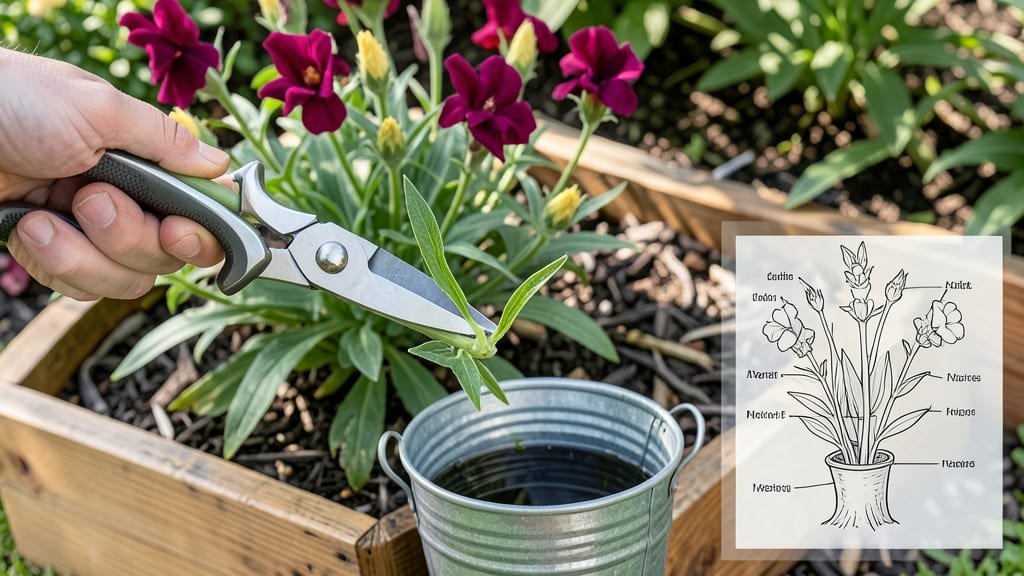
How to cut snapdragons for more blooms? It starts with a single cut. ✨ My first year growing them, I deadheaded like crazy but still got sparse flowers—until I learned the real pruning trick that turns leggy stems into bushy, blooming machines.
The secret isn’t just snipping faded blooms—it’s strategic cuts that encourage new growth. After the first flush of flowers fades, trim stems back by one-third to the first set of healthy leaves.
This shock might look brutal, but within 2-3 weeks, you’ll see fresh shoots bursting from the base, each one primed to produce more blooms.
By midseason, your plants will look fuller, more compact, and covered in flowers instead of just leaves. The color stays vibrant longer, and you’ll avoid that sad, overgrown look that kills snapdragons’ productivity. Even my black thumb plants now put out two full cycles of blooms instead of one.
Works for both garden beds and containers—just avoid cutting into woody stems, and never prune after the first frost. The payoff? Snapdragons that keep blooming until fall, looking better than store-bought bouquets.
📚 In This Guide
- What you need
- Instructions
- Tips and common mistakes
- Wrapping up and next steps
What you need
- ● Sharp pruning shears or clean garden scissors – Must be sterilized (70% isopropyl alcohol or a 10% bleach solution) to prevent disease. Size: 4-6" blades for precision.
- ● Snapdragons (Antirrhinum spp.) – Healthy, mature plants (6+ inches tall) with at least 3-5 open blooms per stem.
- ○ Gloves (optional but recommended) – Nitrile or rubber to protect hands from thorns or sap.
- ● Watering can or hose with a gentle spray nozzle – For post-pruning hydration.
- ○ Compost or balanced fertilizer (10-10-10 NPK) – Optional but helpful to boost recovery after pruning.
- ● Plant marker or label – To track pruned stems and monitor regrowth.
- ● Disinfectant wipes – For quick tool sterilization between cuts.
- ● Pruning saw (for thick stems) – Only needed if dealing with woody, overgrown snapdragons.
- ● Mulch (straw or shredded bark) – To retain moisture and protect roots post-pruning.
Step-by-Step instructions for pruning snapdragons
Here’s how to keep your snapdragons blooming all season long—no fancy tools needed.
✂️ Step 1: Wait for the Right Time to Prune
Prune snapdragons only after they’ve finished their first flush of blooms. Look for spent flowers that have turned brown or dried up—these are your first targets. Cutting too early removes potential blooms, while waiting too long lets the plant focus energy on seed production instead of new growth.
I always prune in the morning when the plants are fully hydrated. This gives them the whole day to recover before nightfall. Snapdragons bloom best in cooler weather, so aim to prune in early spring or late summer for a second flush of flowers.
✂️ Step 2: Cut Back Properly for Bushier Growth
Use clean, sharp pruning shears or scissors to snip just above a set of leaves where new growth can emerge. Avoid cutting into leafy stems—this creates wounds that invite disease. I like to make my cuts at a slight angle to prevent water from pooling on the stem.
For taller snapdragons, cut back by about one-third of the plant’s height. This encourages branching and more compact growth. If your plants are leggy, you can even trim them back harder—just avoid removing more than half at once, or you’ll shock the plant.
✂️ Step 3: Deadhead Regularly for Nonstop Blooms
Deadheading—removing faded flowers—is the secret to keeping snapdragons in bloom. Pinch or snip off the entire flower stem where it meets the main stem. This redirects the plant’s energy from seed production to growing new buds.
I deadhead every 3-5 days during peak bloom season. Watch for new buds forming at the base of the plant—these are your next flowers. If you notice buds dropping off before opening, your plants might be thirsty or need more sunlight.
☀️ Step 4: Provide Aftercare for Strong Recovery
After pruning, give your snapdragons a deep watering to help them recover. Water at the base of the plant in the morning so the foliage has time to dry before evening. Avoid wetting the leaves, as this can lead to fungal issues.
Fertilize lightly with a balanced 10-10-10 formula after pruning to support new growth. Too much fertilizer can cause soft, weak stems, so stick to half-strength applications. Snapdragons thrive in full sun (6+ hours daily), so ensure they’re in a bright spot after pruning.
⏰ Step 5: Monitor and Repeat for Continuous Blooms
Keep an eye on your snapdragons over the next 2-3 weeks for new growth. You’ll see fresh buds forming at the base of the plant, and the stems will thicken as they recover. If you notice yellowing leaves, it’s a sign of overwatering or poor drainage—adjust your care routine accordingly.
Repeat the pruning process every 4-6 weeks or whenever you see a wave of spent blooms. With consistent care, your snapdragons will reward you with nonstop color from early spring through fall. The key is patience—don’t rush the recovery, and your plants will keep blooming beautifully.
Tips & tricks for perfect snapdragon pruning
These little tricks will help you transform your snapdragons into nonstop blooming powerhouses—without the guesswork.
Timing Secret: The 3-5 day deadheading schedule in Step 3 is your golden window. I've learned the hard way that skipping even one week can let your plants focus on seed production instead of new blooms. Mark your calendar or set a phone reminder—those dried-up flowers won't remove themselves! The key is consistency, not perfection.
Cutting Technique: When you're making those one-third cuts in Step 2, focus on clean snips just above leaf nodes. I use my thumbnail to gently press the stem where I want to cut—this creates a natural guide. Avoid tearing the stem, and always make your cuts at a slight angle to prevent water from pooling. A dull blade creates jagged cuts that invite disease, so invest in a good pair of pruning shears if yours are old.
Recovery Watch: After your deep watering in Step 4, keep an eye out for those 2-3 weeks of new growth mentioned in Step 5. You'll notice fresh buds forming at the base of the plant—these are your reward for proper pruning. If you don't see new growth after 3 weeks, your plants might need more sunlight or a different fertilizer. The stems should also thicken as they recover, which is a good sign they're putting energy into growth rather than just survival.
Pro Tips for Cut Snapdragons For More Blooms
- These little tricks will help you transform your snapdragons into nonstop blooming powerhouses—without the guesswork.
- Timing Secret: The 3-5 day deadheading schedule in Step 3 is your golden window.
- Cutting Technique: When you're making those one-third cuts in Step 2, focus on clean snips just above leaf nodes.
Frequently asked questions
Got questions about pruning snapdragons for a blooming bonanza? You’re not alone! Here are some of the most common queries—and their answers—to help you grow like a pro.
How often should I cut snapdragons for more blooms?
Prune snapdragons every 2–4 weeks during their active growing season (spring to fall). Focus on removing spent blooms and leggy stems to encourage bushier growth. Avoid over-pruning—just trim back about 1/3 of the plant’s height at a time to prevent stress.
What’s the best time of day to cut snapdragons?
Morning is ideal! Cut stems early in the day (before 9 AM) when the plant is hydrated. This reduces shock and gives flowers time to recover before evening. Avoid pruning in extreme heat or late afternoon, as it can stress the plant.
Can I cut snapdragons too much? What are the signs?
Yes—over-pruning can stunt growth or reduce blooms. Watch for yellowing leaves, sparse foliage, or no new buds. If this happens, scale back to light trims and fertilize with a balanced bloom booster. Snapdragons are resilient but thrive best with moderate pruning.
What if my snapdragons aren’t blooming after cutting?
Several factors could be at play: lack of sunlight (they need 6+ hours daily), poor soil (amend with compost), or overcrowding. Check for pests too! If blooms still lag, try a light pinch of bloom fertilizer and ensure stems are cut just above a leaf node.
Can I propagate snapdragons from cuttings?
After pruning, save healthy stems (4–6 inches long) and dip the cut end in rooting hormone. Plant in moist potting mix, cover with a plastic bag, and keep in bright, indirect light. Roots should form in 3–4 weeks—perfect for expanding your garden!
Wrapping up and next steps
With just a few simple cuts and a little patience, you can transform your snapdragons into a blooming powerhouse! 🌸 The key is to prune regularly, deadhead wisely, and encourage bushier growth—so don’t be afraid to get your shears out.
Your garden will thank you with nonstop color and healthier plants.
Ready to take your snapdragons to the next level? Start today—grab your pruners, pick a sunny spot, and watch your flowers thrive! For even more tips, explore our guide on extending bloom seasons.