
Pruning
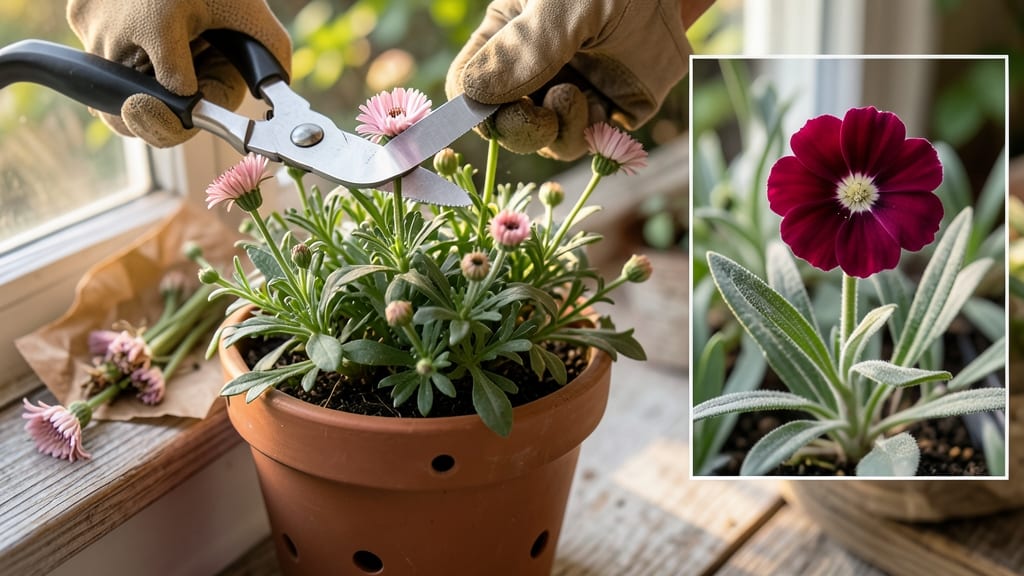
How to deadhead dianthus in pots keeps your plants blooming all summer. ✂️ I used to watch my potted dianthus fade after the first flush of flowers—until I learned this simple trick that extends blooms for months. The secret is timing and technique: pinch spent blooms right after they wilt, but before seed pods form. This redirects the plant’s energy from seed production back into new flowers. Most people overlook the "pinch at the base" rule—that’s where the magic happens for bushier growth. You’ll see fresh buds within 2-3 weeks, and your pots will stay vibrant instead of leggy. The best part? It takes less than 5 minutes per plant and works in any container size. Works for all dianthus varieties, from sweet williams to pinks. Here’s exactly how to do it without killing your plants—honestly, I’ve ruined enough cuttings to know what works!
📚 In This Guide
- What you need
- Instructions
- Tips and common mistakes
- Wrapping up and next steps
What you need
- ● Pruning shears or sharp scissors – Look for bypass pruners (clean cuts) or small garden scissors with a sharp, angled blade. Avoid dull tools that crush stems!
- ○ Gloves (optional but recommended) – Lightweight gardening gloves protect your hands from thorns and dirt.
- ● Small container or bucket – A 1–2 gallon bucket or bowl to collect spent blooms and debris.
- ● Rubbing alcohol or mild soap + water – For sterilizing tools between cuts (70% isopropyl alcohol or a 1:10 bleach-water mix works).
- ● Compost bin or bag – To recycle spent flowers into nutrient-rich compost.
- ● Hand lens or magnifying glass – Helps spot hidden stems or pests if your Dianthus looks stressed.
- ● Spray bottle with water – For a quick rinse if your hands get dirty or dusty.
- ● Balanced fertilizer (low-nitrogen, like 5-10-5) – Apply after deadheading to encourage new growth (¼ tsp per pot).
- ● Twine or plant ties – Useful if your Dianthus gets leggy and needs support after pruning.
Step-by-Step instructions for deadheading dianthus in pots
Reviving your potted dianthus is easier than you think—just a few strategic pinches keep those blooms coming.
✂️ Step 1: Wait for the Right Time to Deadhead
Deadhead when spent blooms begin to fade—usually after 3-5 days of full opening. You’ll know it’s time when petals start dropping or turning brown. Never cut healthy blooms; always wait until they’ve finished showing off their color. I like to check my pots in the morning light when colors are freshest.
Use clean, sharp scissors or fingernails to avoid damaging stems. If you pinch too early, you’ll cut off potential new buds forming at the base. Watch for small side buds forming near the spent bloom—these are your next flowers waiting to open.
✂️ Step 2: Pinch Above the Next Set of Leaves
Cut just above a set of healthy leaves or a new bud, not in the middle of a bare stem. This encourages the plant to focus energy on growing new shoots rather than trying to support dead flowers. I always look for the first leaf or bud below the faded bloom—that’s where new growth will emerge.
For clustered blooms, trim the entire stem down to a leaf or bud. Avoid leaving stubby stems—they won’t regrow. If your dianthus has multiple stems, you can trim each one individually. The goal is to remove all dead flowers while leaving the plant’s energy where it counts: new growth.
🌿 Step 3: Encourage New Blooms with Light and Water
After deadheading, give your dianthus bright light for at least 6 hours daily—they thrive in full sun. If your pots are in shade, move them to a sunnier spot immediately. You’ll see new buds forming in 7-10 days if conditions are right. Water lightly but regularly, keeping the soil evenly moist but not soggy—dianthus hate wet feet.
This is the moment that matters: new growth signals success. If you see leggy stems or sparse blooms, your plant might need more sun or fertilizer. A light application of balanced 10-10-10 fertilizer after deadheading can boost flowering, but don’t overdo it—too much nitrogen makes leaves grow at the expense of blooms.
⏰ Step 4: Repeat Weekly for Continuous Blooms
Dianthus bloom continuously if you deadhead every 7-10 days. Set a reminder or check your pots weekly—consistency is key. Real talk: I used to skip deadheading in summer heat, and my dianthus would fade fast. Now I treat it like a weekly chore, and the blooms never stop.
In late summer, reduce deadheading slightly to let some flowers set seed—this ensures next year’s blooms. But if you want nonstop color, keep pinching until frost. The more you deadhead, the more your dianthus rewards you with bold, cheerful flowers all season long.
Tips & tricks for perfect dianthus deadheading
Here's what nobody tells you about keeping those dianthus blooms coming back stronger than ever.
The Timing Secret: In Step 1, those 3-5 days of full bloom aren't just a suggestion—they're crucial. I learned this the hard way after snipping too early and watching my plants go dormant. Look for the first hint of brown at the petal edges or petals that drop when you gently tug. This is your plant's way of saying "I'm done showing off, now it's your turn to help me grow more!"
Precision Pinching: When you reach Step 2, resist the urge to trim too close to the stem. Cutting just above that first healthy leaf or bud (not in the middle of bare stem!) is where the magic happens. I always make a tiny diagonal cut to prevent water from pooling on the cut surface. This simple technique keeps your dianthus from developing fungal issues while encouraging new growth exactly where you want it.
Light and Water Strategy: After deadheading in Step 3, move your pots to their sunniest spot immediately—dianthus need that 6 hours of direct sunlight to reward you with new buds in 7-10 days. I've found that morning sun works best for my plants, and I water lightly in the morning so the soil has time to dry slightly between waterings. This prevents the "wet feet" that dianthus absolutely hate.
Pro Tips for Deadhead Dianthus In Pots
- Here's what nobody tells you about keeping those dianthus blooms coming back stronger than ever.
- The Timing Secret: In Step 1, those 3-5 days of full bloom aren't just a suggestion—they're crucial.
- Precision Pinching: When you reach Step 2, resist the urge to trim too close to the stem.
Frequently asked questions
Got questions about deadheading dianthus in pots? You’re not alone—this simple task can feel tricky at first! Below, we’ve rounded up the most common concerns and broken them down so you can keep your dianthus thriving with confidence.
When is the best time of day to deadhead dianthus?
Deadhead your dianthus early in the morning when the blooms are fully open but still fresh. This gives flowers time to dry out before evening moisture sets in, reducing the risk of fungal issues. Avoid midday heat, which can stress the plant.
How often should I deadhead dianthus in pots?
Check your plants weekly during peak bloom (spring to fall) and remove spent flowers as soon as they fade. Consistent deadheading encourages nonstop blooms! If you’re busy, aim for at least every 2–3 weeks to keep the plant productive.
What if I skip deadheading—will my dianthus still bloom?
Yes, but expect fewer and shorter-lived flowers. Deadheading redirects the plant’s energy toward new blooms instead of seed production. Without it, you’ll see leggy growth and a decline in vibrant flowers—so it’s worth the 2-minute pinch!
Can I use scissors instead of pinching off dead blooms?
If you prefer precision, sterilized scissors or pruners work great for cutting just above a leaf node. Just avoid crushing stems, and always clean your tools with rubbing alcohol between cuts to prevent disease spread.
What should I do if my dianthus looks sad after deadheading?
Don’t worry—it’s normal for plants to pause briefly after pruning. Give yours a light drink of water and place it in bright, indirect light. Within days, you’ll see fresh buds forming! If yellowing leaves appear, check for overwatering or poor drainage.
Still stumped? Drop your question in the comments—we’re happy to help your dianthus bounce back!
Wrapping up and next steps
Deadheading your dianthus in pots is a simple yet rewarding task that keeps your blooms vibrant and encourages more flowers all season long! 🌸 With just a few strategic pinches and the right timing, you’ll transform sparse pots into lush, colorful displays.
Now that you’re armed with the how-to, grab those shears and enjoy the process—your plants will thank you with bold, healthy growth!
Ready to take it further? Try experimenting with fertilizing after deadheading to boost even more blooms—or share your progress with fellow gardeners! 🌱