
Pruning
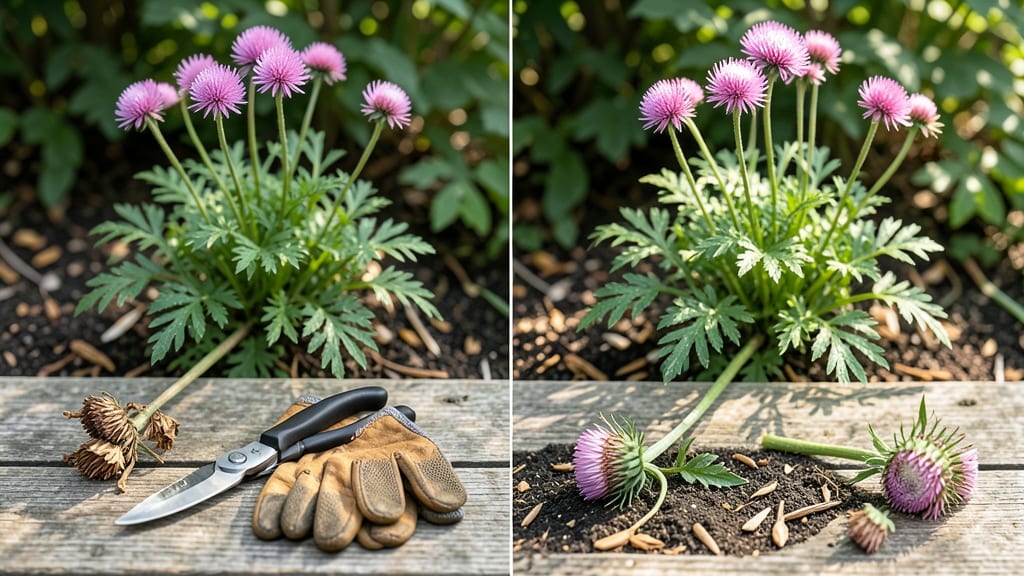
Deadheading scabiosa turns one season of blooms into three. ✨ The pincushion flowers you love so much—those velvety, globe-shaped blooms—keep coming back if you give them a little help. My first season with scabiosa, I skipped this step and got one glorious flush of flowers before the plant fizzled.
Now? My plants look like they're in perpetual summer, with fresh blooms appearing every 2-3 weeks.
You only need two things: sharp pruners (or clean scissors) and a sunny morning. The goal is simple—snip off the spent flower heads just above the next set of leaves or buds. No fancy techniques, no guesswork.
Scabiosa is forgiving, but timing matters: do this right after blooms fade, before seeds form. That's when the plant redirects energy to new growth instead of seed production.
The payoff is immediate: your plants stay compact, bushier, and produce more flowers than you'd expect from a single season. The scent of fresh growth fills the air, and your garden becomes a magnet for pollinators.
Even my blackest thumbs can't mess this up—it's that simple. Just don't wait too long, or you'll end up with a plant full of seed heads instead of blooms.
Works for both garden beds and containers, and the same method applies to scabiosa varieties like 'Butterfly Blue' or 'Pink Pincushion'. Here's how to do it without overcomplicating things—your plants will thank you with nonstop color.
📚 In This Guide
- What you need
- Instructions
- Tips and common mistakes
- Wrapping up and next steps
What you need
- ● Pruning shears or sharp scissors – Opt for bypass pruners (clean cuts!) or small handheld scissors for precision. Must be sterilized (70% isopropyl alcohol or soapy water) to avoid disease.
- ○ Gloves (optional but recommended) – Lightweight gardening gloves protect hands from thorns (some varieties have them!) and dirt.
- ○ Garden twine or rubber bands (optional) – For bundling spent blooms before disposal.
- ● Compost bin or trash bag – Collect deadheaded flowers to recycle nutrients or dispose of them.
- ● Good weather – Choose a dry, overcast day to prevent stressing the plant (wet conditions can invite fungal issues).
- ● Freshly sharpened tools – Dull blades crush stems, inviting disease. Test your shears on a piece of paper—if it tears, sharpen them!
- ● Patience (and a keen eye!) – Scabiosa blooms fade from vibrant to dull; deadhead only fully spent flowers to avoid stunting new growth.
Step-by-Step instructions for deadheading Scabiosa
Here's the simple method I use to keep my Scabiosa blooming all season long—no fancy tools, just a few minutes of your time.
✂️ Step 1: Identify and Remove Spent Blooms
Wait until a flower head has fully opened but starts to fade—you'll notice the petals drooping slightly and the center turning brown. Grab the stem just below the faded bloom with your thumb and forefinger, and give it a gentle twist. The bloom should come away cleanly, leaving a small bump where it was attached.
If the stem resists, don’t force it—use clean, sharp pruners to snip just above the next set of leaves or side bud. This ensures you’re not cutting into old growth. I always check the stem afterward to make sure no sap is oozing, which could signal a tear. A clean cut means less stress for the plant.
✂️ Step 2: Prune for Bushier Growth
After removing the spent bloom, look for any side buds or new growth below it. These are your plant’s way of telling you where to focus. If you see a small bump or tiny leaf emerging, leave it—this is where new flowers will form. If there’s no new growth, you can trim back a bit further to encourage branching.
Here’s the thing—I never cut more than 1/3 of the plant’s height at once. Scabiosa is tough but not indestructible. If you see leggy stems with no new buds, it’s a sign the plant needs more light or a light trim to wake it up. A quick pinch of the top growth can redirect energy into bushier, flower-heavy growth.
🌿 Step 3: Encourage Continuous Blooming
After deadheading, give your Scabiosa a light watering if the soil feels dry to the touch. The plant will reward you with new buds forming within 7-10 days, especially if it’s getting at least 6 hours of sunlight daily. I’ve found that plants in partial shade still bloom, but the flowers are smaller and fewer.
If your Scabiosa starts slowing down in late summer, a light trim back to half its height can stimulate one last flush of blooms. Just avoid cutting into old wood—look for green growth. This works like a reset button, and you’ll often see fresh flowers within a couple of weeks.
⏰ Step 4: Maintain Through the Season
Deadhead every 3-5 days during peak bloom time to keep the plant producing flowers. I set a reminder on my phone because it’s easy to forget when the garden gets busy. The key is consistency—don’t let more than 10% of the blooms go to seed or the plant will shift its energy into seed production instead of new flowers.
In fall, when blooms naturally slow down, you can stop deadheading entirely. Let a few flowers go to seed to feed pollinators and collect seeds for next year if you’d like. Just give the plant a final trim back to 6-8 inches tall before winter to tidy it up and remove any diseased or damaged stems.
Tips & tricks for perfect Scabiosa maintenance
Keeping your Scabiosa blooming like clockwork takes just a few smart habits—here’s how to avoid common pitfalls and maximize those gorgeous flowers.
Timing is Everything: I learned this the hard way after skipping too many deadheading sessions—wait until blooms are fully open but starting to fade (petals drooping, center turning brown). Twisting the stem works best, but if it resists, use clean pruners just above the next set of leaves or side bud. Never cut into old growth—this stresses the plant and delays new blooms. A quick check for oozing sap confirms you’ve made a clean cut.
Pruning Strategy: When you see leggy stems with no new buds, it’s your plant’s way of saying, "I need a wake-up call!" A light trim back to 1/3 of the plant’s height (as mentioned in Step 2) redirects energy to bushier growth. For stubborn cases, pinch the top growth—this forces the plant to branch out instead of growing tall. I’ve seen Scabiosa go from sparse to lush in just two weeks after this trick!
Light and Water Balance: The 6 hours of sunlight daily mentioned in Step 3 is non-negotiable for peak blooms. If your plant is in partial shade, expect smaller flowers—it’s not failing, just adapting. After deadheading, give it a light watering only if the soil feels dry. Overwatering can cause root rot, which is a silent killer of blooms. I test soil moisture by sticking my finger an inch deep—if it’s dry, water; if damp, wait.
Seasonal Reset: That late-summer trim back to half its height (Step 3) is like hitting the reset button. Focus on green growth—anything woody is old and won’t respond. You’ll often see fresh buds within 2 weeks of this trim. In fall, when blooms slow down, let a few flowers go to seed (but no more than 10%) to feed pollinators. A final trim to 6-8 inches tidies up the plant for winter.
Pro Tips for Deadhead Scabiosa
- Keeping your Scabiosa blooming like clockwork takes just a few smart habits—here’s how to avoid common pitfalls and maximize those gorgeous flowers.
- Timing is Everything: I learned this the hard way after skipping too many deadheading sessions—wait until blooms are fully open but starting to fade (petals drooping, center turning brown).
- Pruning Strategy: When you see leggy stems with no new buds, it’s your plant’s way of saying, "I need a wake-up call!"
Frequently asked questions
Got questions about deadheading Scabiosa? You’re not alone! Here are answers to the most common queries to help you keep your pincushion flowers thriving with ease.
When is the best time to deadhead Scabiosa?
Deadhead Scabiosa as soon as blooms fade—ideally in the morning when flowers are dry. This prevents seed formation and redirects energy to new buds. For continuous blooms, repeat every 2–3 days during peak flowering (spring to fall).
Do I need special tools to deadhead Scabiosa?
Nope! Use clean, sharp hand pruners, scissors, or even your fingers (for small stems). Avoid dull tools—they crush stems and invite disease. A small pair of bypass pruners works best for precision.
What if I miss deadheading? Will my Scabiosa still bloom?
Yes! Scabiosa is forgiving—skipping a day won’t kill it. However, neglected blooms may self-seed aggressively, leading to fewer showy flowers. For maximum blooms, stay consistent, but don’t stress over occasional lapses!
Can I deadhead Scabiosa in rain or after heavy watering?
Avoid deadheading when stems are wet to prevent fungal issues (like powdery mildew). Wait until morning after dew dries or late afternoon. If you must prune damp plants, sterilize tools with rubbing alcohol first.
Are there alternatives if I don’t want to deadhead?
If deadheading feels tedious, try these low-maintenance options:
- Let it go wild: Enjoy the natural seed heads for winter interest (they’re adorable!).
- Shear lightly: Trim all faded blooms at once with hedge clippers for a quick reset.
- Multiply plants: Collect seeds from spent blooms to grow new Scabiosa in other spots!
Wrapping up and next steps
Deadheading your Scabiosa is a simple yet powerful way to keep your garden vibrant with nonstop blooms—and trust us, the effort is minimal! 🌸 With just a few snips and a little patience, you’ll reward yourself (and your pollinators) with a flourishing, long-lasting display all season long.
Now that you’re armed with the know-how, grab those shears and get pruning—your future blooms will thank you!
💡 Next step: Monitor your plants weekly for spent blooms and repeat the process. Before you know it, your Scabiosa will be the star of the show!