
Flowers
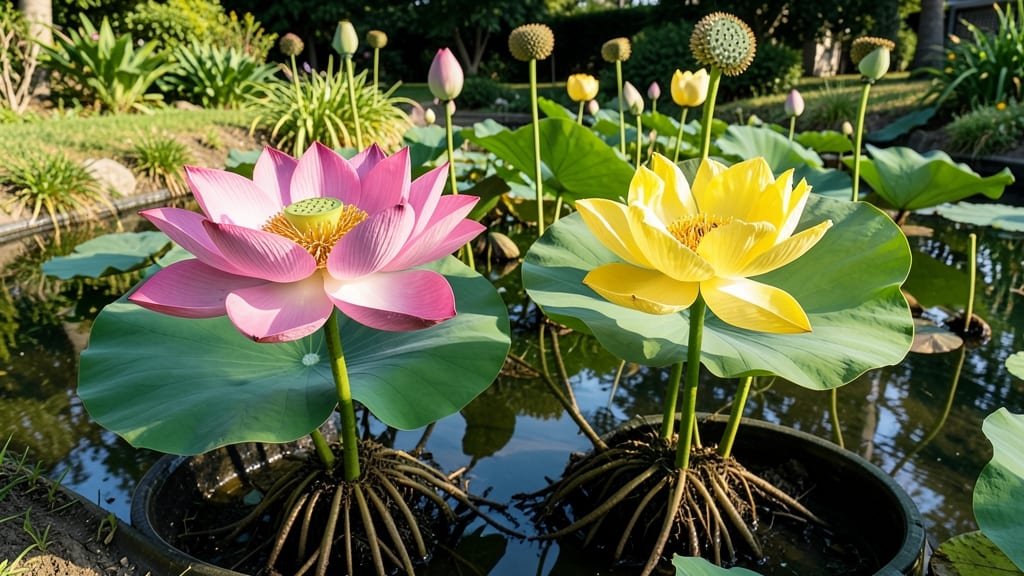
Lotus flowers rise from murky water like sacred offerings. 🌿 Their care isn't complicated—just patient. I've nurtured both aquatic and terrestrial varieties for years, and the secret lies in understanding their natural habitat: still, clean water for aquatic lotuses, and rich, damp soil for terrestrial ones.
Their needs are surprisingly simple: 6-8 hours of sunlight daily, water 12-18 inches deep for aquatic types, and well-draining soil mixed with compost for terrestrial. Overwatering drowns roots, while too little sun stunts growth. Most people struggle with algae—keep water moving gently with a small pump or fountain.
By summer, you'll see those iconic blooms unfurling at dawn, their petals closing by noon. The key is consistency: feed with balanced liquid fertilizer every 4-6 weeks, and trim dead foliage to encourage new growth. Even in winter, aquatic lotuses stay dormant but alive beneath the surface.
Works for ponds, large containers, or even bog gardens. The real magic happens when you let them grow undisturbed—they reward patience with months of blooms and that unmistakable, serene presence in your garden.
📚 In This Guide
- What you need
- Instructions
- Tips and common mistakes
- Wrapping up and next steps
What you need
- ● Lotus Tubers: 3–5 healthy, firm tubers (ensure they’re disease-free).
- ● Large Container or Pond: For containers: A minimum 12-inch-deep pot (18+ inches ideal) with drainage holes.
- ● For ponds: At least 18 inches of water depth (deeper for tropical varieties).
- ● High-Quality Pond Soil or Gravel: 2–3 inches (for containers) to anchor tubers.
- ● Pond Water or Well Water: Avoid tap water (chlorine can harm tubers). Let it sit for 24 hours if using tap.
- ● Fertilizer: Balanced Liquid Fertilizer: 5-10-5 or 10-10-10 (diluted to half-strength).
- ● Organic Option: Fish emulsion or compost tea (monthly).
- ● Long-Handled Net or Scoop: For harvesting or adjusting tubers in ponds.
- ● Water Testing Kit: To monitor pH (ideal: 6.0–7.5) and ammonia levels.
- ○ Pebbles or Aquatic Plants: Optional, for aesthetics or shading roots.
- ● Sunlight Meter or Timer: To track 6–8 hours of direct sun daily.
Step-by-step instructions for cultivating thriving lotus flowers
Lotus flowers reward patience with stunning blooms—here's how to keep them happy with minimal fuss.
🪴 Step 1: Select and Prepare the Right Container
Lotus roots thrive in 12-18 inch deep containers filled with 3-4 inches of clean, nutrient-rich pond muck or aquatic soil. I use unglazed ceramic pots because they allow water circulation while preventing root rot. Place a 2-3 inch layer of small gravel at the bottom for drainage—this mimics their natural muddy riverbed habitat.
Fill the container with water until it reaches 2-3 inches below the rim, then add your lotus rhizome. Position it horizontally, 1-2 inches below the surface, with the budding nodes facing upward. This orientation encourages strong root development and future bloom production. Press the rhizome gently into the soil to secure it without compacting.
☀️ Step 2: Position for Optimal Sunlight and Water
Lotus flowers demand full sun exposure (6-8 hours daily)—place your container in the southernmost part of your pond or water garden. Morning sun is ideal because it prevents afternoon heat stress. If you notice leaves turning yellow or stems elongating excessively, your lotus isn't getting enough light. Move it closer to the surface or to a sunnier location immediately.
Maintain 6-12 inches of water depth above the rhizome at all times. Use a submersible pond pump to keep water circulating gently—this prevents stagnation and algae buildup. In cooler climates, add a pond heater during winter to maintain water temperatures above 50°F, which prevents dormancy before the growing season.
🌿 Step 3: Fertilize and Monitor Growth Seasonally
Feed your lotus once in early spring with a slow-release aquatic fertilizer (like Osmocote Plus) mixed into the soil. I use 1 tablespoon per gallon of soil—this provides nutrients without causing algae blooms. Avoid liquid fertilizers; they can burn delicate rhizomes and cloud the water. After feeding, let the water settle for 24 hours before reintroducing fish or circulation.
Watch for new shoots emerging in late spring—these indicate healthy growth. Thin crowded stems to 3-4 per rhizome to prevent competition. If you see black spots or mushy rhizomes, your water isn't circulating properly or contains too much organic debris. Drain, rinse, and replant the rhizome in fresh, clean water immediately.
✂️ Step 4: Prune and Overwinter for Next Season
After blooming, cut back spent flower stems to 2 inches above the waterline using sterilized pruners. This redirects the plant's energy into root and rhizome growth for next year. I prune in early fall before temperatures drop below 60°F. Remove any yellowed or damaged leaves to prevent disease spread—healthy lotus leaves should be deep green and waxy.
In colder climates, lift rhizomes before frost and store them in a cool, dark place with 2 inches of moist sand. Check monthly to ensure they don't dry out. In warmer regions, lotuses remain dormant naturally in winter—just ensure water stays above 50°F. When you see new shoots in spring, replant and resume care as usual.
Tips & tricks for cultivating thriving lotus flowers
Between us, these little details make all the difference between a lotus that thrives and one that struggles. Here's what I've learned after years of growing these sacred blooms.
Container Material Matters: While ceramic pots work beautifully, you can also use fiberglass or heavy plastic containers—just ensure they have drainage holes. I've had success with large, unglazed terracotta pots too, though they may require more frequent water changes. The key is avoiding metal containers, which can leach harmful chemicals into the water over time.
Lighting Secret: If your lotus isn't getting enough natural sunlight (especially in northern climates), supplement with a full-spectrum grow light for 10-12 hours daily. Position it 12-18 inches above the water surface to mimic morning sun conditions. I've seen dramatic improvements in stem strength and bloom production with this simple addition.
Water Quality Watch: Lotus flowers are surprisingly sensitive to water chemistry. Test your pond water monthly for pH levels—ideal range is 6.0-7.5. If your water is hard (high mineral content), use rainwater or distilled water for filling. I also recommend partial water changes every 2-3 weeks to prevent nutrient buildup that can smother roots.
Rhizome Inspection: Before planting, inspect your rhizome for any soft spots or blackened areas—these indicate rot or disease. Trim away any damaged sections with sterilized pruners, then let the healthy portions dry for 10 minutes before replanting. This simple step prevents spreading problems to your entire plant.
Pro Tips for Care For Lotus Flower
- Between us, these little details make all the difference between a lotus that thrives and one that struggles.
- Container Material Matters: While ceramic pots work beautifully, you can also use fiberglass or heavy plastic containers—just ensure they have drainage holes.
- Lighting Secret: If your lotus isn't getting enough natural sunlight (especially in northern climates), supplement with a full-spectrum grow light for 10-12 hours daily.
Frequently asked questions
How often should I water my lotus flower?
Lotus flowers love water but hate soggy roots. Keep the soil consistently moist (like a damp sponge) but ensure the pot has drainage holes. In hot weather, water daily—morning or late afternoon is best to prevent fungal issues. If growing in a pond, ensure the plant has access to fresh water but isn’t submerged beyond its leaves.
When is the best time to plant lotus flowers?
Plant lotus tubers in early spring (after the last frost) or late summer (before fall temperatures drop). This gives roots time to establish before winter. If planting in a pond, wait until water temperatures are above 60°F (15°C)—lotuses are tropical and need warmth to thrive!
Can I grow lotus flowers in a small pot or just a pond?
Yes! While lotuses are often associated with ponds, they adapt well to large containers (at least 12 inches deep) with fresh water. Just ensure the pot has drainage and can hold enough water to keep roots hydrated. For small spaces, dwarf varieties like Lotus ‘Mini Me’ are perfect.
What should I do if my lotus leaves turn yellow or wilt?
Yellowing leaves often signal overwatering, poor drainage, or nutrient deficiency. Check for root rot (smelly, mushy roots) and adjust water levels. Brown edges? It might be too much sun—provide partial shade. Feed with a balanced aquatic fertilizer every 4–6 weeks to boost health. If pests like aphids appear, spray with neem oil.
Do lotus flowers survive winter?
In colder climates (below 20°F/-7°C), lotuses go dormant. Drain containers and store tubers in a cool, dark place (like a garage) with slightly moist peat moss. In ponds, let the plant die back naturally—it’ll regrow in spring! In mild winters, mulch the pond edges to protect roots.
Wrapping up and next steps
Caring for lotus flowers is a rewarding journey that blends simplicity with serenity—perfect for both beginners and seasoned plant lovers! 🌸 With the right balance of sunlight, water, and a little patience, you’ll witness their breathtaking blooms emerge like nature’s own masterpiece.
Remember, lotuses thrive in harmony with their environment, so embrace their low-maintenance charm and let them inspire your green space.
Ready to dive deeper? Start by experimenting with different soil mixes or exploring creative ways to display your lotuses in ponds or containers. Every gardener’s path is unique—your next step could be the one that unlocks even more beauty! 🌿