
Succulent
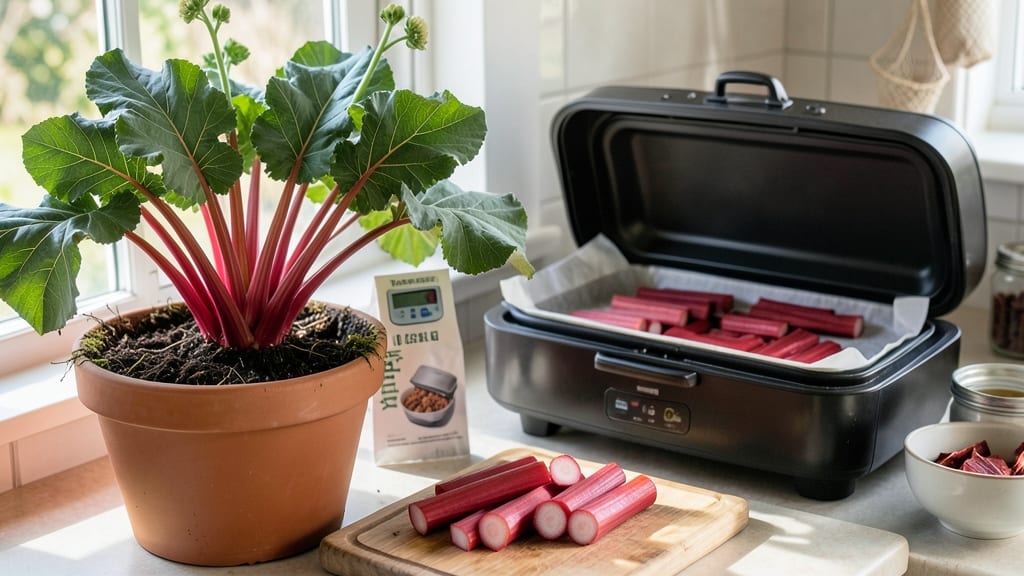
How to dry rhubarb transforms summer’s tart harvest into winter’s baking secret. ✨ That first crisp stalk in February—sweetened just right—makes the effort worth it. The key? Proper prep and drying to preserve both flavor and texture without turning it to mush. Start with fresh, firm stalks (discard leafy bases) and slice into ¼-inch sticks. A quick blanch in boiling water for 2 minutes removes bitterness and sets the color. For beginners, the dehydrator is foolproof—set to 135°F for 6-8 hours until leathery. Experienced gardeners might prefer the oven at 200°F for 3-4 hours with the door cracked. You'll end up with vibrant, chewy strips perfect for pies, compotes, or steeping in tea. Store in airtight containers for up to 6 months, though the flavor peaks within 3 months. The tartness mellows beautifully, making it ideal for baking when fresh rhubarb isn't available. Common pitfalls? Overcrowding trays causes uneven drying, and skipping blanching leaves a bitter edge. Test a piece—it should snap, not bend. Now go dry that harvest before the birds get to it!
📚 In This Guide
- What you need
- Instructions
- Tips and common mistakes
- Wrapping up and next steps
What you need
- ● Fresh rhubarb stalks: Choose organic or pesticide-free rhubarb for the best flavor and safety. Aim for 2–3 lbs (about 1–1.5 kg)—this yields roughly 1 cup (120g) of dried rhubarb.
- ● Sharp knife or kitchen shears: A serrated blade or chef’s knife works best for clean cuts.
- ● Cutting board: A sturdy, non-slip surface (preferably food-grade plastic or wood).
- ● Colander or large bowl: For rinsing and draining the rhubarb.
- ● Paper towels or clean kitchen towel: To pat the stalks thoroughly dry—excess moisture slows drying!
- ● Drying method of choice: Dehydrator: A food-grade dehydrator with adjustable temperature settings (ideal: 135°F/57°C).
- ● Oven: A low-heat setting (170°F/77°C) with the door propped open slightly for airflow.
- ○ Sun drying (optional, climate-dependent): A well-ventilated, shaded area with fine mesh screens or drying racks.
- ● Air-tight storage containers: Glass jars with lids (like mason jars) or food-grade plastic bags with oxygen absorbers (for long-term storage).
- ● Food dehydrator trays: If using a dehydrator, mesh screens or parchment paper to prevent sticking.
- ● Digital kitchen scale: For precise measurements if you’re scaling recipes.
- ● Vacuum sealer: Extends shelf life by up to 2 years if stored properly.
- ● Essential oils (e.g., lemon or vanilla): A few drops can infuse dried rhubarb with extra flavor (add after drying).
Step-by-step instructions for drying rhubarb
Preserving rhubarb this way keeps its vibrant tartness locked in for pies, compotes, and sauces all winter long.
🌱 Step 1: Harvest and Prepare the Stems
Pick firm, crisp stalks with no bruises or soft spots—they’ll dry best. Cut off the leafy tops (they’re toxic) and trim the bottoms to remove any woody ends. Rinse the stalks under cool water to remove dirt, then pat them dry with a clean towel. This step is critical: any moisture left behind will make drying uneven.
Slice the stalks into ¼-inch thick pieces—thinner slices dry faster but can over-dry at the edges. I like to cut them into 2-3 inch lengths for easy handling later. Spread them out on a clean kitchen towel to air-dry for 30 minutes before moving to the dehydrator or oven. This extra step prevents steam buildup during drying.
☀️ Step 2: Choose Your Drying Method
For best results, use a food dehydrator set to 135°F. Arrange the rhubarb slices in a single layer on the trays, leaving ¼ inch between each piece so air circulates. If you don’t have a dehydrator, a conventional oven works—place slices on a baking sheet lined with parchment paper and prop the oven door open 2 inches for airflow. Set the oven to 170°F.
Drying time varies: dehydrators take 6-8 hours until slices are leathery but still pliable. Oven-dried rhubarb needs 4-6 hours, checking every hour after the third. You’ll know it’s done when the edges curl slightly and the center feels dry to the touch but doesn’t crumble. Over-drying turns rhubarb brittle and bitter—test a piece early.
⏰ Step 3: Cool and Store Properly
Let the dried rhubarb cool completely on a wire rack before storing. This prevents condensation from forming inside your containers. Once cool, transfer it to airtight containers like glass jars or vacuum-sealed bags. I use 1-pint jars and fill them no more than halfway to allow for expansion if moisture returns.
Store in a cool, dark place like a pantry or root cellar. Properly dried rhubarb keeps for 6-12 months, though the flavor intensifies after 3 months. Check occasionally for signs of moisture—if you see condensation, the seal isn’t tight enough. Re-dry any damp pieces immediately to prevent mold.
💧 Step 4: Rehydrate for Use (Optional)
To use dried rhubarb in recipes, soak the slices in warm water for 15-20 minutes until pliable. Drain well before adding to pies, compotes, or sauces. The texture will be firmer than fresh rhubarb, but the tart-sweet balance remains perfect. For a quicker method, blend dried rhubarb into powder for baking—just 1 tablespoon of powder equals ¼ cup fresh rhubarb.
Here’s the thing—dried rhubarb works best in recipes where texture isn’t critical, like jams, sauces, or smoothies. Avoid using it in dishes where you’d normally eat the rhubarb in chunks, like a rhubarb crisp topping. The dried pieces will be too chewy and less satisfying. Instead, save them for cooking where they’ll break down and infuse flavor.
Tips & tricks for perfectly dried rhubarb
Common pitfalls—and how to sidestep every one—when preserving rhubarb for those winter baking projects.
Slice Uniformity: Cutting rhubarb into consistent ¼-inch thick pieces is key—thicker slices take longer to dry evenly, while thinner ones can over-dry at the edges. Use a sharp knife and measure against a ruler for precision. I like to cut them into 2-3 inch lengths too, which makes handling them easier during the drying process and prevents breakage.
Pre-Drying Air-Dry: That 30-minute air-dry on a clean kitchen towel before dehydrating or baking is non-negotiable. It removes surface moisture that would otherwise create steam during drying, leading to uneven results. Think of it like preheating your oven—it sets the stage for perfect drying.
Temperature Matters: The 135°F dehydrator setting or 170°F oven temperature is critical for preserving rhubarb's vibrant color and flavor. Too hot, and you'll end up with brittle, bitter pieces. Too cool, and you risk moisture retention. If your oven doesn't go below 170°F, consider using a dehydrator or placing the baking sheet on the middle rack for even heat distribution.
Testing for Doneness: The 6-8 hour dehydrator time or 4-6 hour oven time is just a guideline—always test for doneness by checking for that slight edge curl and dry center. I like to press a piece between my fingers: if it feels leathery but doesn't crumble, it's perfect. Remember, once it's dried, you can't rehydrate it—so better to under-dry slightly than overdo it.
Pro Tips for Dry Rhubarb
- Common pitfalls—and how to sidestep every one—when preserving rhubarb for those winter baking projects.
- Slice Uniformity: Cutting rhubarb into consistent ¼-inch thick pieces is key—thicker slices take longer to dry evenly, while thinner ones can over-dry at the edges.
- Pre-Drying Air-Dry: That 30-minute air-dry on a clean kitchen towel before dehydrating or baking is non-negotiable.
Frequently asked questions
Got questions about drying rhubarb?
Here are answers to the most common queries—so you can preserve that tart-sweet flavor with confidence!
How long does it take to dry rhubarb?
Drying time depends on your method. In a food dehydrator (135°F/57°C), it takes 6–12 hours until slices are leathery and brittle. For an oven (170°F/77°C), expect 4–6 hours. Air-drying on a rack can take 3–5 days in a warm, dry space. Test doneness by checking for no moisture—slices should snap when bent!
Can I dry rhubarb too fast?
Yes! Overdrying turns rhubarb crunchy and bitter, losing its natural sweetness. To avoid this, check frequently (every 1–2 hours in a dehydrator) and remove it when edges curl but centers stay pliable. Store properly in airtight containers to maintain freshness for up to 6 months.
What’s the best way to store dried rhubarb?
Keep dried rhubarb in a cool, dark place (like a pantry) in airtight containers or resealable bags with oxygen absorbers. For longer shelf life, freeze it in portions—just thaw before rehydrating. Avoid plastic bags without seals, as they trap moisture and speed up spoilage.
Can I freeze rhubarb instead of drying it?
Freezing is a great alternative if you don’t have drying equipment. Wash, trim, and slice rhubarb, then spread on a tray to freeze solid (prevents clumping). Transfer to freezer bags or containers for up to 10–12 months. Thaw in the fridge before using—it works perfectly in pies, compotes, or smoothies!
How do I use dried rhubarb in recipes?
Rehydrate dried rhubarb by soaking in warm water or juice (1:3 ratio) for 10–15 minutes until soft. Use it in baked goods (like crumbles or muffins), compotes, or tea blends. For a shortcut, blend into smoothies or sauces—just adjust liquid as needed. Pro tip: Pair with honey or sugar to balance tartness!
Wrapping up and next steps
Drying rhubarb is your golden ticket to savoring its tangy-sweet flavor long after harvest season fades! Whether you’re slicing stalks for homemade compotes, baking pies, or whipping up jam, mastering this preservation method ensures you’ll always have a pantry staple.
With just a few simple tools and patience, you’ve unlocked a year-round supply of rhubarb goodness—no frost required!
Ready to put your dried rhubarb to work? Start experimenting in the kitchen—try infusing it into syrups, blending it into smoothies, or using it as a natural tart additive in cocktails. Your future self (and taste buds) will thank you! 🌟