
Succulent
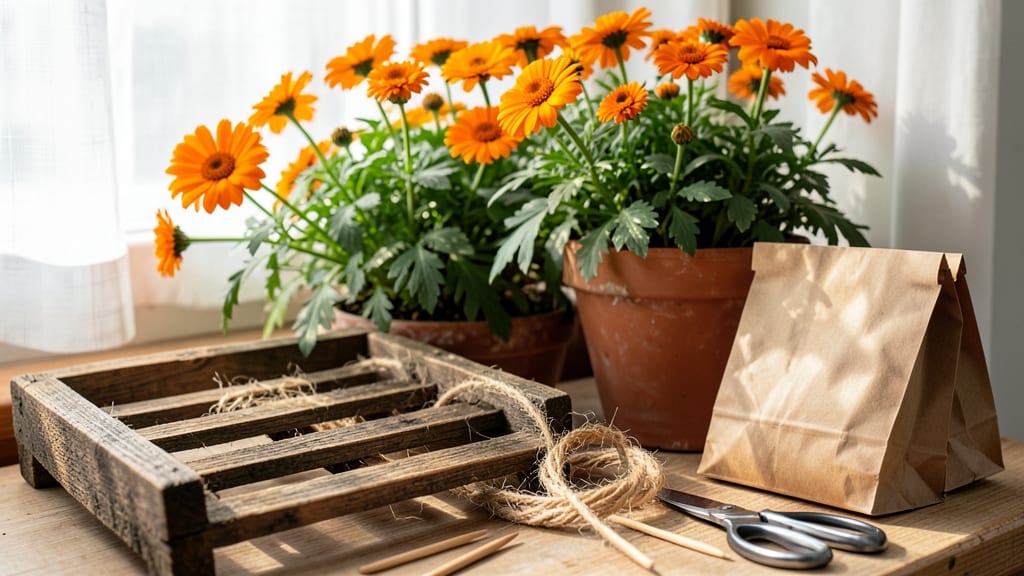
How to dry calendula petals unlocks their golden glow and healing power for years to come. ✨ The key is harvesting when petals are fully open but before they brown—usually late morning on sunny days. Too early, and they won’t dry properly; too late, and the color fades. You’ll need just three simple tools: sharp scissors (to avoid damaging stems), clean paper towels, and either a dry, dark space, a clothesline, or a dehydrator set to 95°F. The right method keeps petals vibrant and preserves their medicinal properties. Once dried, you’ll have petals that stay bright for 12+ months—perfect for salves, teas, or craft projects. The process takes about 3-5 days, but the effort pays off in versatile, natural remedies. For best results, store dried petals in airtight jars away from light. Avoid humidity, or they’ll lose potency faster. Now let’s get those petals ready for their second life!
📚 In This Guide
- What you need
- Instructions
- Tips and common mistakes
- Wrapping up and next steps
What you need
- ● Fresh calendula petals: Harvest petals when fully open (preferably in the morning) and free of pests. Aim for 1–2 cups (or about 100–200g) for a small batch.
- ● Clean, breathable fabric: Use a light-colored cotton or linen cloth (e.g., a kitchen towel or muslin bag) to lay out petals in a single layer.
- ● Drying surface: Option 1: Screen drying rack (with fine mesh for airflow).
- ● Option 2: Baking sheet lined with parchment paper.
- ● Option 3: Hanging bundle (twist petals into small clusters and hang with twine).
- ● Drying location: A warm, dark, and well-ventilated spot (e.g., a pantry, closet, or dehydrator set to 95–115°F (35–46°C)). Avoid direct sunlight to prevent fading.
- ● Dehydrator: Set to 95°F (35°C) for even, gentle drying (great for large batches!).
- ● Food processor or mortar & pestle: For crushing dried petals into powder later.
- ● Air-tight glass jars: With silicone lids (e.g., 4–8 oz size) for storage.
- ● Desiccant packets: Place one in jars to absorb moisture and extend shelf life.
Step-by-step instructions for drying calendula petals
Here's the easy method I use to preserve calendula's color and healing properties—no fancy equipment needed.
🌿 Step 1: Harvest Petals at Peak Freshness
Pick calendula flowers on a dry morning after the dew has evaporated. Choose fully open blooms with vibrant petals—these dry best. Use clean, sharp scissors or pinch the stem just above a leaf to avoid damaging the plant. I always harvest before the petals start curling at the edges, which signals they're past their prime.
Remove the petals carefully by sliding your fingernail between the petal and the center of the flower. Work quickly to avoid bruising—wet petals won't dry properly and may develop mold. If you're processing a large batch, lay petals on a clean kitchen towel to catch any moisture as you work. Aim for about 1 cup of fresh petals for each drying session.
💧 Step 2: Prepare Petals for Drying
Spread the petals in a single layer on a clean, dry surface. I use parchment paper or a wire rack lined with a thin towel—this allows air to circulate on all sides. Avoid overlapping petals, or they'll stick together and trap moisture. If your petals feel damp (like right after harvest), let them air out for 30-60 minutes before arranging them.
Here's the thing—calendula petals contain natural oils that can make them sticky during drying. To prevent this, lightly dust them with cornstarch or arrowroot powder (about 1 teaspoon per cup of petals). Gently shake the powder over the petals, then tap off any excess. This step keeps them loose and preserves their bright color.
☀️ Step 3: Choose Your Drying Method
For the fastest, most vibrant results, I dry calendula petals in a dehydrator. Set it to 95°F and arrange the petals on the trays in a single layer. Prop the trays slightly open with toothpicks if needed—this helps air flow underneath. Dry for 2-3 hours, checking occasionally. Petals are done when they're completely dry to the touch but still pliable (they'll crisp up later).
If you don’t have a dehydrator, use an oven on its lowest setting (usually 170°F or less). Place a wire rack on top of a baking sheet and prop the oven door open with a wooden spoon to allow moisture to escape. Dry for 4-6 hours, checking frequently. The goal is gentle, even drying—high heat will bleach the petals and destroy their healing properties.
⏰ Step 4: Store Dried Petals Properly
Once petals are completely dry, let them cool to room temperature. Transfer them to an airtight glass jar with a tight-sealing lid. Store in a cool, dark place—like a pantry or cupboard—to protect the color and potency. Label the jar with the date; properly stored, dried calendula petals will keep for 1-2 years.
Don’t skip this step: Exposure to light and air fades the color and reduces the petals' medicinal benefits. I like to add a silica gel packet to the jar for extra moisture control, especially in humid climates. When you're ready to use them, simply crush the petals between your fingers or blend them into powders for teas, salves, or infused oils.
Tips & tricks for perfectly preserved calendula petals
Here's what I've learned after drying hundreds of batches—these little tricks make all the difference for vibrant petals that last.
Harvest Timing: The morning after a dry night is ideal because dew can make petals too damp for proper drying. I harvest between 9 and 11 AM when the petals are fully open but haven't started curling at the edges—this is when their color and medicinal properties are at peak potency. If you must harvest later, choose flowers that are already fully open to ensure they'll dry properly.
Drying Surface Strategy: For best airflow, I use a combination of parchment paper for the dehydrator method and a wire rack lined with cheesecloth for oven drying. The cheesecloth creates tiny air pockets that help wick away moisture faster. If you don't have cheesecloth, a clean kitchen towel works too—just make sure it's completely dry before arranging petals.
Temperature Matters: The 95°F dehydrator setting is perfect because it's gentle enough to preserve color while still removing moisture quickly. For oven drying, never exceed 170°F—higher heat will bleach the vibrant orange and yellow hues. I've ruined batches by being impatient and cranking the oven too high, so resist the urge to speed things up with more heat!
Storage Wisdom: Once your petals are completely dry, let them cool completely before sealing them in jars. I wait at least 30 minutes to ensure all residual moisture has evaporated. For long-term storage, I use amber glass jars instead of clear ones—they block more light and help preserve that gorgeous color for years. The silica gel packet is optional but worth it if you live in a humid climate.
Pro Tips for Dry Calendula
- Here's what I've learned after drying hundreds of batches—these little tricks make all the difference for vibrant petals that last.
- Harvest Timing: The morning after a dry night is ideal because dew can make petals too damp for proper drying.
- Drying Surface Strategy: For best airflow, I use a combination of parchment paper for the dehydrator method and a wire rack lined with cheesecloth for oven drying.
Frequently asked questions
Got questions about drying calendula petals?
You’re not alone! Here are some of the most common queries—plus quick, practical answers to help you master the process like a pro.
How long does it take to dry calendula petals completely?
Drying times vary, but calendula petals typically take 1–3 weeks to dry thoroughly, depending on your method. Air-drying (hanging or laying flat) is the slowest but most gentle, while a dehydrator or low oven speed up the process to 12–24 hours. Test for doneness by checking for crispness—petals should crumble slightly when touched.
Can I dry calendula petals in the sun instead of indoors?
Yes, but with caution! Direct sunlight can bleach the petals and fade their vibrant color. For outdoor drying, choose a shady, well-ventilated spot (like a mesh screen or paper towel) and bring them indoors at night. If you’re in a hot, dry climate, this method works well—just monitor closely to avoid mold or wilting.
What’s the best way to store dried calendula petals?
Store them in an airtight container (glass jars or resealable bags work best) in a cool, dark place—like a pantry or cupboard—to preserve their color and medicinal properties. Add a silica gel packet if humidity is an issue, and label with the drying date (petals last 1–2 years at their peak potency).
Why are my dried calendula petals turning brown or moldy?
Brown spots or mold usually mean excess moisture or poor airflow. To fix it, remove any affected petals immediately and check your drying setup: ensure bundles or trays aren’t overcrowded, and avoid damp environments. If mold appears, try a dehydrator at 95°F (35°C) or a low oven with the door cracked open for better circulation.
Can I use dried calendula petals for cooking or just medicinal purposes?
While calendula is prized for its healing properties (think salves, teas, or wound care), it also adds a mild, slightly peppery flavor to dishes. Sprinkle dried petals into soups, salads, or infused oils for a earthy, floral twist. Just
Wrapping up and next steps
Drying calendula petals is a simple yet rewarding way to harness their vibrant color and healing powers for years to come! Whether you’re crafting herbal remedies, homemade salves, or decorative potpourri, proper drying techniques ensure potency and beauty.
Now that you’re equipped with the know-how, why not turn your dried calendula into something special? Try making a soothing calendula-infused oil, a healing salve, or even a fragrant sachet—your creativity (and skin!) will thank you. Ready to get started? 🌼✨