
Tools
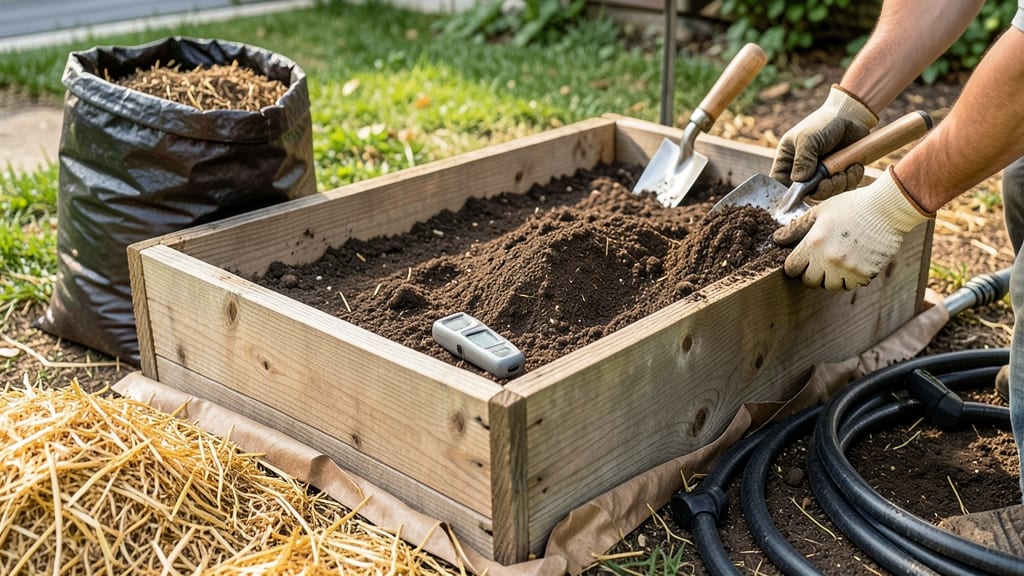
Filling a raised garden bed with the right soil blend transforms it from an empty box into a thriving ecosystem for your plants. 🌱 The key isn’t just dumping dirt—it’s creating layers that improve drainage, retain moisture, and provide nutrients roots crave.
My first attempt with cheap topsoil left my tomatoes stunted, but this method produces soil so rich, my herbs grow lush even in summer heat.
The foundation starts with cardboard (no tape or glossy paper) to block weeds, topped with 2-3 inches of compost for microbial life, then a mix of 60% topsoil, 30% compost, and 10% perlite or sand for structure.
This layered approach costs about $50 for a 4x8-foot bed and outperforms store-bought mixes by keeping roots oxygenated and preventing compaction.
You’ll end up with soil that holds moisture without drowning roots, supports deep growth, and stays fertile for years. The texture is light yet crumbly—like a forest floor after a rain—where vegetables thrive and flowers bloom abundantly.
For herbs, add extra perlite; for heavy feeders like tomatoes, boost the compost ratio.
Skip the clay-heavy soil or pure mulch—both suffocate roots—and avoid tilling after filling, which destroys the soil structure. With this method, even my black thumb can grow vegetables that outperform neighbors’ in-ground gardens. Ready to build your perfect growing medium?
📚 In This Guide
- What you need
- Instructions
- Tips and common mistakes
- Wrapping up and next steps
What you need
- ● Topsoil: 6–12 inches (15–30 cm) of high-quality, organic topsoil (check for compost or "garden soil" labels). Quantity: ~1 cubic yard per 4'x8' bed (adjust based on bed size).
- ● Compost: 2–4 inches (5–10 cm) of well-aged compost (homemade or store-bought). Quantity: ~1/3 of the total soil volume.
- ● Perlite or Vermiculite: 1–2 inches (2.5–5 cm) for aeration and moisture retention. Quantity: ~5–10 gallons (depends on bed size).
- ● Garden Gloves: A sturdy pair to protect your hands from sharp edges and soil.
- ● Wheelbarrow or Shovel: For efficient transport of heavy materials.
- ● Rake or Broadfork: To loosen and mix layers thoroughly.
- ● Level: Ensures your bed is evenly filled for proper drainage.
- ● Watering Can or Hose: To moisten soil layers before planting.
- ● Sand: 1–2 inches (2.5–5 cm) of coarse sand (for sandy soil or clay-heavy areas).
- ● Cocoa Hulls or Peat Moss: For acid-loving plants (e.g., blueberries).
- ● Biochar: Improves water retention and microbial activity.
- ● Mulch: Straw or shredded leaves to lock in moisture after filling.
- ● Soil pH Test Kit: To check and adjust soil acidity if needed.
Tips & tricks for perfect raised garden bed soil blends
Building the ideal raised bed isn't rocket science, but these pro tips will help you avoid common pitfalls and create a thriving growing environment your plants will love.
Layer Depth Matters: The 6-inch minimum depth in Step 1 is non-negotiable for most vegetables, but for heavy feeders like tomatoes or squash, consider extending to 12 inches if possible. Deeper beds allow roots to explore more soil volume, especially during dry spells. I've seen tomato plants with roots growing 3 feet deep in my 12-inch beds—nature's way of telling you "more is better" for thirsty plants.
Drainage is Everything: In Step 2, don't skimp on that 2-3 inch drainage layer—it's the foundation of your bed's health. For areas with heavy clay soil, I triple the gravel to 3 inches and add a 1-inch layer of coarse sand on top. This prevents waterlogging that can suffocate roots and create anaerobic conditions where harmful bacteria thrive. Think of it as your bed's plumbing system.
Compost Quality Check: The 4-inch compost layer in Step 3 should look like dark, crumbly soil with earthy smells—not like fresh manure or sawdust. I always sift my compost through a ¼-inch mesh screen to remove large chunks that won't break down. For the best results, mix in a handful of worm castings—they're nature's nutrient powerhouse and improve soil structure dramatically.
Mulch Maintenance Secret: That 1-inch mulch layer in Step 4 isn't just for looks—it's a living ecosystem. Refresh it every 2-3 months, especially in hot climates where it breaks down quickly. I use a mix of straw and shredded leaves because straw holds moisture while leaves add organic matter as they decompose. Just avoid thick layers that can mat down and block oxygen from reaching the soil.
Pro Tips for Fill A Raised Garden Bed With Soil
- Building the ideal raised bed isn't rocket science, but these pro tips will help you avoid common pitfalls and create a thriving growing environment your plants will love.
- Layer Depth Matters: The 6-inch minimum depth in Step 1 is non-negotiable for most vegetables, but for heavy feeders like tomatoes or squash, consider extending to 12 inches if possible.
- Drainage is Everything: In Step 2, don't skimp on that 2-3 inch drainage layer—it's the foundation of your bed's health.
Frequently asked questions
Got questions about filling your raised garden bed? You’re not alone—here are the most common concerns and quick answers to get you growing with confidence!
What’s the best soil mix for a raised garden bed?
A balanced blend of 60% topsoil, 30% compost, and 10% perlite or coarse sand works best. Avoid pure garden soil—it compacts easily, while this mix drains well and retains nutrients. For heavy clay soil, add more perlite to improve aeration.
When is the best time to fill a raised garden bed?
Fill your bed 2–4 weeks before planting to let the soil settle and decompose. In cold climates, do it in early spring; in warm areas, late winter or early fall works too. Avoid filling right before a freeze—soil can shift and disrupt roots.
Can I use cheap fill dirt instead of garden soil?
Not ideal! Fill dirt is often clay-heavy, compacted, and low in nutrients. It drains poorly and suffocates roots. If you’re on a budget, mix it 50/50 with compost or aged manure, but prioritize quality soil blends for long-term success.
How deep should the soil be in a raised bed?
Aim for 6–12 inches of soil depth—enough for most root systems (like veggies and herbs). For deep-rooted plants (e.g., tomatoes, squash), go 12–18 inches. Shallow beds (<6") may work for strawberries or greens but limit plant choices.
Why is my soil sinking or collapsing after watering?
This usually means your mix is too sandy or lacks organic matter. Add compost or coconut coir to improve structure, and avoid over-watering. If the bed was filled too close to planting, let it settle for a week before adding plants.
Can I reuse soil from last year’s raised bed?
Yes! Sift out debris, top-dress with 2–3 inches of fresh compost, and mix in. Avoid reusing soil with pests, diseases, or weeds—sterilize it by baking in the sun for a month or adding 10% sand to refresh drainage.
Wrapping up and next steps
Filling your raised garden bed with the right soil blend is the foundation for a thriving garden—your plants will thank you with lush growth and bountiful harvests! 🌱 By layering organic matter, topsoil, and compost, you’ve created a nutrient-rich haven where roots can stretch and thrive.
Now that your bed is ready, it’s time to plant, nurture, and enjoy the fruits (or veggies!) of your labor.
Ready to take the next step? Start with your favorite seeds or seedlings—just