
How To
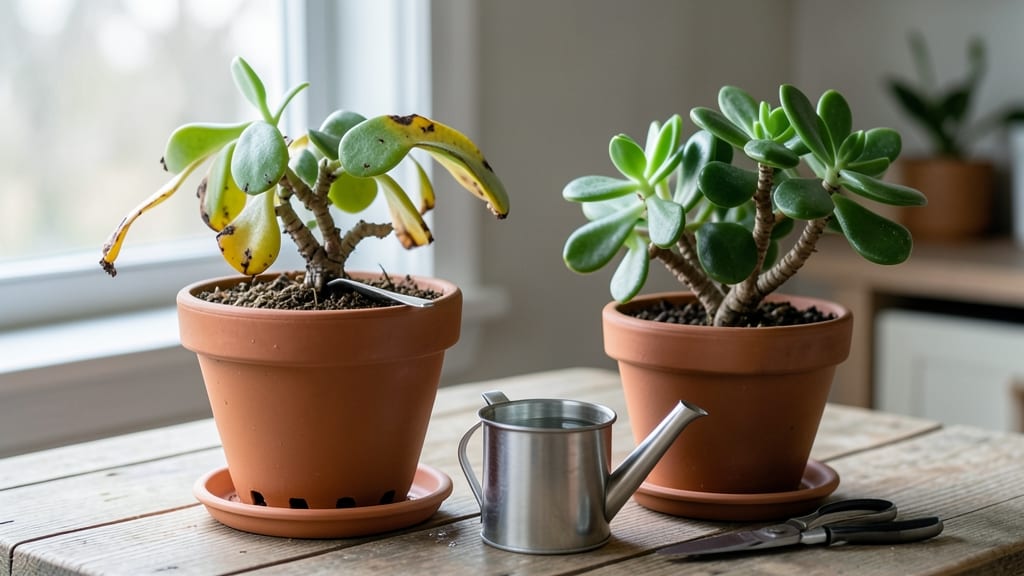
How to fix an overwatered jade plant—your droopy friend isn’t beyond saving, and this is the rescue plan. 🌱 I've nursed back more than a dozen jade plants from the brink of root rot, and the secret starts with stopping water immediately. Those yellow leaves and mushy stems? Classic overwatering SOS signals your plant is drowning, not thirsty.
The fix begins with air-drying the roots—yes, really. Remove the plant, trim any blackened roots with clean scissors, then let those cut ends dry out for 2-3 days before repotting.
Use a mix of cactus soil and perlite to ensure water drains like it should. Jade plants need infrequent watering—only when the soil is bone-dry.
Within 2-4 weeks, you'll see new growth pushing through, and those once-soggy stems will firm up again. The key is patience: jade plants store water in their leaves, so they bounce back slower than you'd expect.
Keep it in bright, indirect light and resist the urge to water too soon.
Here's the game-changer: after recovery, switch to a watering schedule that matches jade's desert roots. Once every 3-4 weeks in summer, even longer in winter, is normal. Your plant will thank you with thick, glossy leaves that store water like a tiny savings account.
📚 In This Guide
- What you need
- Instructions
- Tips and common mistakes
- Wrapping up and next steps
What you need
- ● Well-draining potting mix: 2–3 cups of a cactus/succulent blend (look for labels like "fast-draining" or "sandy soil"). Avoid regular potting soil—it’s too dense!
- ● Clean, sharp pruners or scissors: Sterilize with rubbing alcohol to prevent infection. A pair of bypass pruners (for precision) works best.
- ● Perforated pot or container: Slightly larger than the current pot (1–2 inches wider) with drainage holes. Terracotta or plastic with holes both work!
- ● Paper towels or a clean cloth: For gently patting roots dry (no paper towels with ink—it’s toxic to plants!).
- ○ Hydrogen peroxide (3% solution): 1/4 cup to disinfect roots and encourage healing. Optional but highly recommended for preventing rot.
- ● Small hand trowel or spoon: For loosening soil and handling roots without crushing them.
- ● Spray bottle with water: Filled with room-temperature, distilled water (chlorine-free) for light misting.
- ● Rooting hormone: A powder or gel to boost recovery (e.g., fast-acting rooting hormone like Clonex).
- ● Charcoal granules: 1–2 tablespoons mixed into the soil to prevent bacterial growth.
- ● Humidity dome or plastic bag: To create a mini greenhouse effect while roots recover (remove after 3–5 days).
- ● Moisture meter: A soil probe type to check moisture levels post-replanting.
- ● New pot saucer: With drainage holes to catch excess water (or use a tray lined with pebbles).
Step-by-Step instructions for reviving an overwatered jade plant
Here's how I've rescued countless soggy jades—this method works even when roots look mushy.
🌱 Step 1: Remove the Plant and Assess Root Damage
Gently slide the jade plant from its pot, supporting the stem to avoid breaking brittle leaves. You'll see two types of roots: healthy white or pale ones and mushy, dark brown or black ones. The healthy roots should feel firm when touched, while damaged roots will collapse like overcooked pasta.
Use clean, sterilized scissors to snip away all the black, mushy roots—don't leave any behind, even if they look questionable. I like to dip the scissors in rubbing alcohol between cuts to prevent spreading any potential rot. Keep only the firm, white roots attached to the plant.
💧 Step 2: Let the Roots Air-Dry Completely
Place the pruned plant on a clean, dry surface in a well-ventilated area. Avoid putting it back in soil immediately—this is where the magic happens. The air-drying process helps prevent further rot by allowing moisture to evaporate from the remaining roots.
Leave it for 24-48 hours, checking occasionally. You'll know it's ready when the cut surfaces look dry to the touch and no longer feel damp. This step is critical—skipping it often leads to the same problems recurring. If your home is humid, prop the plant on a wire rack to improve airflow.
☀️ Step 3: Repot in Fresh, Well-Draining Soil
Choose a pot with drainage holes—terracotta works best for jades because it breathes. Fill the bottom with a layer of perlite or pumice (about 1-2 inches) to improve drainage. This prevents water from pooling at the roots.
Add a fast-draining cactus/succulent mix to the pot, leaving about 1 inch of space at the top. Gently place the jade plant in the center, ensuring the base sits just above the soil line. The roots should spread naturally without being forced downward. Fill in around the roots with more soil, pressing lightly to secure the plant.
⏰ Step 4: Adjust Watering and Light Conditions
Wait 5-7 days before watering again—this gives the roots time to adjust to their new environment. When you do water, soak the soil until water runs freely from the drainage holes, then empty the saucer. This ensures excess moisture drains away completely.
Move the plant to a spot with bright, indirect light for the first week. Avoid direct sunlight until new growth appears, as the plant is still vulnerable. You'll see signs of recovery in 2-4 weeks: new leaves forming at the tips and a firmer stem. If yellow leaves persist, they'll eventually drop on their own—don't worry, it's part of the healing process.
✂️ Step 5: Monitor and Prevent Future Overwatering
Check the soil every 7-10 days by sticking your finger 1 inch deep. Water only when the soil feels completely dry. Jade plants thrive on neglect—underwatering is far less harmful than overwatering. I like to use the "soak and dry" method: water thoroughly, then wait until the soil is bone-dry before repeating.
Rotate the pot a quarter turn weekly to ensure even light exposure. You'll notice new growth starting at the tips of the stems—this is your sign the plant is back on track. If you see brown spots on leaves, it's a sign of stress, but don't panic. Just trim off the affected areas and keep the care consistent.
Tips & tricks for reviving an overwatered jade plant
Here's what nobody tells you about saving soggy jades—these tricks come from years of rescuing plants that looked beyond hope.
Root Assessment: In Step 1, when you're cutting away damaged roots, look for the color transition zone where healthy white roots meet blackened ones. This is often where the rot starts—don't stop cutting until you see solid white roots for at least 1-2 inches. I've seen people stop too soon and the plant rotted again within weeks. Trust your eyes, not just your instincts.
The Air-Drying Secret: The 24-48 hour drying period in Step 2 is non-negotiable for jades. I learned this the hard way after trying to rush the process and seeing plants develop fungal issues. Place your plant on a wire cooling rack over a tray to catch any excess moisture—this prevents the surface from staying damp while still allowing airflow. If your home is particularly humid, consider using a small fan on low setting nearby to speed up evaporation.
Soil Mix Matters: For Step 3, don't just grab any cactus mix from the store. Look for blends with at least 50% perlite or pumice—this is what gives jades their signature drought tolerance. I've had great success with pre-mixed succulent soils that contain chicken grit or coarse sand, as these improve drainage even more. The 1-2 inch layer of perlite at the bottom isn't just decoration—it creates a physical barrier that prevents water from sitting against the roots.
Light Transition Strategy: When moving your revived plant to bright indirect light in Step 4, start with morning sun exposure only. Jade plants are adapted to harsh desert conditions, but their recovery phase needs gradual adjustment. I've seen plants get sunburnt when moved directly to afternoon sun too soon—look for slight reddening on leaves as a warning sign. After 2-3 weeks of this gradual transition, you can safely move to full sun conditions.
Pro Tips for Fix Overwatered Jade Plant
- Here's what nobody tells you about saving soggy jades—these tricks come from years of rescuing plants that looked beyond hope.
- Root Assessment: In Step 1, when you're cutting away damaged roots, look for the color transition zone where healthy white roots meet blackened ones.
- The Air-Drying Secret: The 24-48 hour drying period in Step 2 is non-negotiable for jades.
Frequently asked questions
Got more questions about saving your soggy jade plant? You’re not alone—overwatering strikes fear in even the greenest thumbs! Here are the answers to the most common concerns, so you can get your Crassula ovata back to its plump, happy self.
How long should I let my jade plant air-dry after overwatering?
For mild cases, 3–5 days of air-drying is usually enough. If the soil is severely waterlogged (think mushy roots), extend it to 7–10 days. Place the plant in a bright, indirect spot (no direct sun) and avoid watering until the top 2–3 inches of soil feel bone-dry. Patience is key—rushing can worsen root rot!
Can I fix an overwatered jade plant if the leaves are already yellow and mushy?
Yes, but act fast! Trim the soft, mushy leaves (use clean scissors) to prevent rot from spreading. Focus on reviving the healthy stems—they’re your plant’s lifeline. If roots are black/slimy, prune them too. With proper air-drying and care, new growth should emerge in 4–6 weeks. Don’t give up—jades are tough!
What if my jade plant smells bad after overwatering?
A foul, sour odor means root rot is in full swing. Drain the pot, remove all soil, and rinse the roots with hydrogen peroxide (3%) to kill bacteria/fungi. Repot in fresh, gritty soil (cactus mix + perlite) and skip watering for 10–14 days. If the stench persists, your plant may be beyond saving—start fresh with a cutting!
Should I use a fan to dry my jade plant faster?
A gentle fan (on low!) can help increase airflow and speed up drying, but avoid blasting it—this can stress the plant. Place the fan 6–12 inches away and run it for 1–2 hours daily. Monitor closely: if leaves crisp or dry out too fast, reduce airflow. Think of it as a desert breeze, not a hurricane!
Can I save my jade plant by repotting it immediately?
Not ideal! Repotting too soon can damage already-compromised roots. First, air-dry the plant for 3–5 days, then gently remove old soil and inspect roots. Only repot if you’re removing rotten roots or the soil is hopelessly compacted. Use a terracotta pot (breathable!) and well-draining soil to prevent future disasters.
Wrapping up and next steps
Reviving an overwatered jade plant is totally doable—just remember, patience and proper care are your best tools! 🌱 By following these steps, you’ve already given your plant a fighting chance.
Now, keep an eye on its progress, adjust your watering habits, and soon, you’ll see those plump, happy leaves bouncing back.
Ready to level up your green thumb skills? Next, explore our guide on perfecting jade plant care to keep your succulent thriving long-term! 🌟