
How To
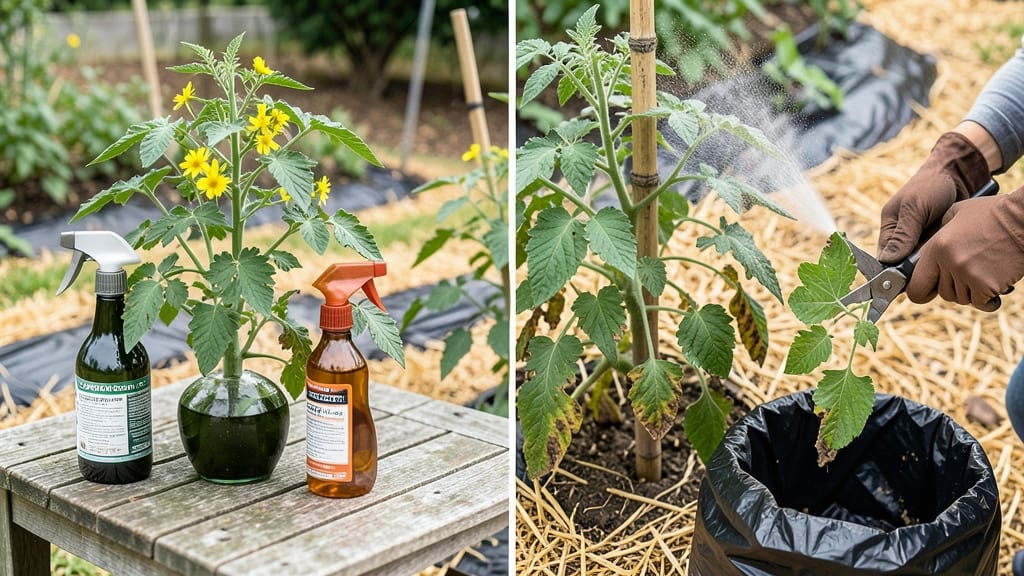
How to fix tomato blight—that fungal menace that can turn thriving plants into spotted shadows in days—has cost me entire harvests. But a simple boil-and-pour barrier changed everything. The key? A homemade solution that smothers spores before they spread, saving your tomatoes when store-bought sprays fail.
Most people panic when they see those telltale brown spots and yellow leaves. But blight thrives on wet, crowded conditions—so proper spacing, resistant varieties, and copper-based sprays are your first line of defense. My go-to fix?
Boiling a mix of copper sulfate, baking soda, and dish soap, then pouring it around plant bases to create a protective shield. It’s not just about treating the symptoms; it’s about breaking the fungal cycle.
Within 7-10 days, you’ll see new growth pushing through, free of those ugly lesions. The plants stay strong, the fruit ripens, and next season’s tomatoes get a fighting chance.
This method works for both early blight (on leaves) and late blight (on fruit), and it’s safer for pollinators than chemical sprays. No more throwing in the trowel mid-season!
Here’s the catch: you’ve got to act fast. The moment you spot those first spots, grab your spray bottle and get to work. Crop rotation and removing infected debris are non-negotiable for long-term success. Let’s turn your blighted mess into a thriving tomato patch—without losing another harvest to fungus.
Root Causes of Tomato Blight
Tomato blight—whether the dreaded Phytophthora infestans (late blight) or Alternaria solani (early blight)—isn’t just a random attack on your plants. It thrives because of specific conditions that create the perfect storm for fungal spores to multiply and infect.
Understanding these triggers is the first step to stopping them in their tracks. Let’s break down the real culprits behind blight outbreaks, so you can outsmart them before they ruin your harvest.
Blight fungi love water—too much of it. These pathogens spread via water droplets, splashing spores from infected leaves onto healthy ones. Here’s why moisture sets the stage:
- Overnight Dew or Rain: When humidity stays high (above 75-90%) for 10+ hours, spores germinate and infect leaves. Phytophthora thrives in cool, wet conditions (50–77°F), while Alternaria prefers warm, damp weather (70–85°F). - Poor Soil Drainage: Waterlogged soil doesn’t just drown roots—it keeps fungal spores constantly active.
If your garden sits in a low spot or has compacted clay, excess moisture lingers, creating a breeding ground. - Irrigation Mistakes: Overhead watering (especially in the evening) turns leaves into spore launchpads.
Drip irrigation or soaker hoses keep foliage dry, but even these can fail if soil stays soggy.
Actionable Insight: Test your soil’s drainage by digging a hole, filling it with water, and timing how long it takes to drain. If it’s slower than 4–6 hours, amend with compost or sand.
Blight spreads like wildfire in tight quarters. When tomato plants are packed too closely or allowed to sprawl uncontrollably, airflow stalls—and fungi move in.
- Limited Air Circulation: Stagnant air traps moisture on leaves, giving spores a 24/7 buffet. Fungal hyphae (thread-like structures) spread 3–5x faster in humid, still air. - Wet Foliage: Overhead branches or vines touching the ground create bridges for spores.
Even a single infected leaf can contaminate an entire plant in 48 hours. - Succession Planting Risks: Planting new tomatoes in the same spot without a 3–4 year rotation leaves behind fungal spores in the soil, ready to reinfect.
Pro Tip: Stake or cage tomatoes 6–12 inches apart and prune lower leaves to keep foliage off the ground. If you’re growing in containers, ensure they have drainage holes and elevate them on saucers.
Blight isn’t just a summer nuisance—it’s a seasonal opportunist. Each type of blight has its own temperature sweet spot:
| Blight Type | Ideal Temp Range | Why It Matters |
|---|---|---|
| Late Blight | 50–77°F (10–25°C) | Thrives in cool, damp springs/autumns. A sudden drop below 60°F signals spores to release zoospores (swimming fungal cells). |
| Early Blight | 70–85°F (21–29°C) | Peaks in hot, humid summers. High temps weaken plants, making them more susceptible to infection. |
| Both Types | Nighttime temps >70°F | Condensation buildup on leaves at dawn = free fungal buffet. |
Key Takeaway: Monitor your local 7-day forecast. If temps dip into the 60s at night after a warm day, expect blight within 3–5 days.
Even the healthiest plants can’t escape blight if the soil or garden tools are already infected.
- Lingering Spores: Fungal spores can survive in soil for years, especially in organic matter (like old mulch or compost). Phytophthora can even hibernate in waterlogged garden beds. - Tool Transmission: Pruners, trellises, or stakes used on infected plants can carry spores to healthy ones.
A single cut with a contaminated blade can introduce blight to a new plant. - Infected Plant Debris: Leaving behind blighted leaves or stems (even composted) risks reinfection. Spores can blow or wash back onto new plants.
Critical Step: Sterilize tools with 70% rubbing alcohol or a 10% bleach solution between uses. Remove all plant debris after harvest—burn or bag it, don’t compost.
Stressed tomatoes are blight magnets. When plants are already struggling, they can’t fight off fungal attacks.
- Nutrient Deficiencies: Lack of potassium (K) or phosphorus (P) weakens cell walls, making them easier targets for fungal invasion. A soil test can reveal imbalances. - Over-Fertilization with Nitrogen: Too much nitrogen = soft, lush growth with thin cell walls.
Blight spores burst through like a hot knife through butter. - Pests or Diseases: Aphids, whiteflies, or even early signs of bacterial spot create entry points for blight. A single wound is all a spore needs to gain access.
Boost Defenses: Side-dress with potassium-rich compost (like banana peels or wood ash) and avoid high-nitrogen fertilizers mid-season. Neem oil can also help repel pests that stress plants.
Blight doesn’t just spread from plant to plant—it hitchhikes on the environment.
- Wind-Dispersed Spores: Alternaria spores are lightweight and can travel miles on wind currents. If a neighbor’s tomatoes are blighted, your garden is at risk. - Water Movement: Rain, irrigation splash, or even shoes tracking from infected areas can spread spores.
A single garden hose used on infected plants can contaminate an entire bed. - Wild Hosts: Weeds like nightshade or volunteer potatoes can harbor blight spores, acting as reservoirs for your tomatoes.
Defense Strategy: Isolate new tomato plants from old beds for at least 20 feet. Use row covers in early season to block windborne spores, and avoid overhead watering.
Stop Blight in Its Tracks
Now that you know what’s causing your tomato plants to wilt and rot, it’s time to act! The good news? With the right strategies, you can save your harvest and keep future crops blight-free. Below, we’ll break down targeted fixes for each cause—plus prevention tips to protect your garden long-term.
Fix: Prune, Spray, and Shield Early blight thrives in dry, hot conditions, but you can starve it out with these steps:
- 🔪 Remove Infected Leaves Snip off yellow or brown leaves (especially the lowest ones) and dispose of them in the trash (not compost!). This prevents spores from spreading to soil or new growth.
- 🌡️ Boost Airflow Space plants 18–24 inches apart and stake or cage them to improve circulation. Wet leaves = blight’s favorite breeding ground.
- 💦 Copper Fungicide Spray (Organic Option) Mix 1 tsp copper sulfate per gallon of water and spray every 7–10 days at dawn or dusk. Pro tip: Add a 1% hydrogen peroxide solution (3% food-grade H₂O₂ diluted) for extra fungal kill.
- 🌱 Mulch Smartly Use straw or grass clippings (not wood chips) to keep soil moist but prevent leaf contact. A 3-inch layer blocks spores from splashing up.
Fix: Emergency Quarantine + Barrier Defense Late blight is aggressive and contagious—act fast to contain it!
- 🚨 Isolate Infected Plants Remove and destroy (burn or bag) all infected foliage and fruit immediately. Late blight spreads via water and wind, so don’t compost anything suspicious.
- 🛡️ Boil-and-Pour Barrier (Your Secret Weapon) This old-school trick creates a fungal-smothering shield around your garden: 1. Boil 1 gallon of water with 1 tbsp baking soda + 1 tsp dish soap.
- Cool slightly, then pour directly over soil around plants (not leaves).
- Repeat every 5–7 days for 3 weeks. The alkaline solution disrupts spores while the soapy film blocks reinfection.
- 🌧️ Water at the Roots Avoid overhead watering—use drip irrigation or soaker hoses to keep leaves dry. Water early in the morning so foliage has time to dry.
- 🌿 Copper or Serenade ASO Spray For organic control, spray copper fungicide (same as early blight) or Serenade ASO (a bacterial fungicide) every 5–7 days until the threat passes.
Fix: *Open Up the Garden Blight loves tight, humid spaces. Give your plants room to breathe!
- 📏 Re-space Plants If tomatoes are too close, transplant them 12–18 inches apart (for determinate varieties) or 24–36 inches apart (for indeterminate vines).
- 🪵 Use Trellises or Cages Vertical growth = less leaf contact. Install sturdy supports and prune suckers to focus energy upward.
- 🌬️ Fan It Out (Literally) Place a small oscillating fan on low near plants for 10–15 minutes daily to reduce humidity. (Works great in greenhouses too!)
Fix: *Strengthen Their Defenses Healthy plants fight blight better. Boost their resilience with:
- 💧 Consistent Watering Deep water 1–2 inches per week (let soil dry slightly between waterings). Drought stress = blight magnet.
- 🌿 Balanced Fertilizer Avoid too much nitrogen (leads to soft, blight-prone growth). Use a 5-10-10 or 3-4-6 fertilizer instead.
- 🍄 Compost Tea or Seaweed Extract Spray foliar feeds (like fish emulsion or seaweed extract) every 2 weeks to boost natural resistance.
Stop blight before it starts with these year-round habits:
| Task | When | How |
|---|---|---|
| Rotate crops | Planting season | Never grow tomatoes (or nightshades) in the same spot two years in a row. |
| Clean up debris | Fall & spring | Rake and remove all plant residue from beds. |
| Test soil pH | Early spring | Aim for 6.0–6.8 (blight thrives in acidic soil). |
| Plant resistant varieties | Seed selection | Choose ‘Mountain Merit,’ ‘Defiant PhR,’ or ‘Bush Early Girl’ (phytophthora-resistant). |
| Solarize soil | Late summer/fall | Cover beds with clear plastic for 4–6 weeks to kill fungal spores. |
- 🌡️ Heat Tolerant Varieties: If your climate is hot and humid, pick heat-resistant tomatoes like ‘Heatmaster’ or ‘Solar Fire.’
- 🍄 Beneficial Fungi: Sprinkle mycorrhizal fungi on roots at planting to strengthen plant immunity.
- 🚫 Avoid Wet Mulch: Wood chips can hold moisture—stick to straw or shredded leaves instead.
- 🔍 Scout Daily: Check undersides of leaves for tiny purple-brown spots (early blight) or dark, greasy patches (late blight).
Remember: The key to beating blight is speed + prevention. Once you remove infected plants, improve airflow, and use barriers, your tomatoes will bounce back—and next season, they’ll be blight-proof! 🚀🌱
Frequently asked questions about tomato blight
How can I tell if my tomato plants have early blight vs. late blight?
Early blight shows up as concentric brown rings on leaves, starting at the edges and working inward. Late blight, however, creates dark, greasy-looking spots that spread rapidly—often within 48 hours. Check the undersides of leaves first, as spores love cool, damp conditions there.
Is it safe to compost tomato leaves with blight?
Never compost blighted leaves—they’ll just spread spores back into your soil! Instead, bag them in sealed plastic and throw them in the trash. If you’re dealing with late blight, burn infected material to be extra safe. The goal is to eliminate the fungus entirely.
How often should I apply the boil-and-pour barrier treatment?
Apply the boil-and-pour barrier (baking soda + dish soap solution) every 5–7 days for 3 weeks to break the fungal cycle. Focus on the soil around plants—not the leaves—to create a protective shield. For severe cases, add copper sulfate to the mix for extra strength.
Can I still save tomatoes if the fruit already has blight spots?
If only the skin is spotted, the fruit may still be safe to eat—just peel and cook it thoroughly. But if the flesh is mushy or discolored, toss it. The real risk is spores spreading to other plants, so remove infected fruit immediately and sterilize your hands and tools.
What’s the best time of day to spray copper fungicide for blight?
Spray copper fungicide in the early morning (before 9 AM) so the leaves have time to dry. Wet foliage at night creates the perfect environment for spores to thrive. Avoid spraying when temps exceed 85°F, as it can burn leaves.