
Propagation
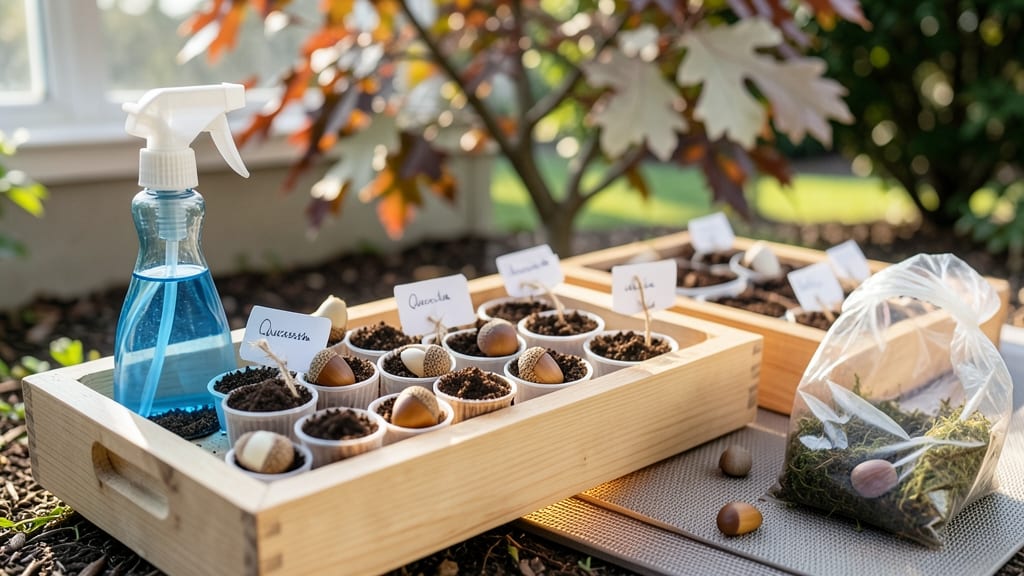
Germinating oak seeds feels like waiting for a century-old oak tree to cooperate. 🌱 The secret isn't forcing them—it's mimicking nature's slow, cold preparation that breaks their stubborn dormancy.
I've struggled with this myself, but after years of trial and error, I've cracked the code for reliable sprouts without shortcuts or chemicals.
Oak seeds need three critical things: freshness (they lose viability fast), cold stratification (60-90 days in damp sand or peat), and patience—these aren't impatient annuals. The process mimics winter's natural chilling period, tricking the seed into thinking spring has arrived.
Most gardeners rush this step and give up when nothing happens in weeks.
By the time you see those first pale green cotyledons—often 6-12 months after planting—you'll understand why oak trees live for centuries. The seedlings grow slowly at first, but with proper care, they'll develop into sturdy saplings ready for transplanting. This method works for red, white, or pin oak varieties equally.
Fair warning: oak seedlings are delicate in their early years, but the payoff—a mature tree in your yard—makes every cold winter month worth it. Let's get those acorns planted right this fall before they forget how to grow.
📚 In This Guide
- What you need
- Instructions
- Tips and common mistakes
- Wrapping up and next steps
What you need
- ● Fresh oak acorns: 10–20 mature, plump acorns (avoid shriveled or wormy ones). Harvest them in fall when they’re fully ripe but still firm.
- ● Cold stratification container: Option 1: A ziplock bag (quart-sized) or resealable plastic container with a tight seal.
- ● Option 2: A perforated plastic tray (to allow airflow) with a lid or damp paper towels.
- ● Moisture source: Paper towels or coir mats (2–3 sheets per batch). Keep them damp (not soggy!).
- ○ Sphagnum moss (optional but ideal for airflow; use 2–3 inches in a tray).
- ● Refrigerator: A standard fridge set to 34–40°F (1–4°C) for stratification (avoid freezer sections!).
- ● Planting medium (post-stratification): Seed starting mix or sand-perlite blend (50/50 ratio) in 4–6 inch pots or a seed tray.
- ● Grow lights or a sunny windowsill (south-facing) for warmth (70–75°F or 21–24°C).
- ● Spray bottle: For gently misting acorns during stratification.
- ● Patience: Oak seeds take 3–6 months to germinate—don’t rush it!
- ● Hormone rooting gel: Dab a tiny amount on acorns to boost root growth (use sparingly!).
- ● Humidity dome: A clear plastic lid or cloche to retain moisture during germination.
- ● pH test kit: Ensure your planting mix is slightly acidic (pH 5.5–6.5)—oaks prefer it!
- ● Label & marker: Track planting dates and varieties (oaks like Quercus robur vs. Quercus alba have different needs).
- ● Heat mat: For speeding up germination after stratification (if your home stays cool).
Step-by-Step instructions for germinating oak seeds
Oak trees are patient—just like their seeds. Here's how to break dormancy the right way.
🌱 Step 1: Collect and Prepare Fresh Acorns
Gather acorns in late fall when they've fallen naturally—they'll have the highest germination potential. Avoid any that show signs of insect damage or mold. Store them in a cool, dry place (around 40°F) for 2-3 months before starting stratification. This mimics winter conditions and helps break dormancy.
Before stratification, soak the acorns in lukewarm water for 24 hours. This softens the hard shell slightly and ensures they're fully hydrated. After soaking, let them dry out completely—this prevents rot during the cold stratification phase. You'll know they're ready when the shells feel dry to the touch but still retain their shape.
❄️ Step 2: Perform Cold Stratification for 3 Months
Place the dried acorns in a sealed plastic bag with a damp (not soggy) mix of sphagnum moss or sand. I like to use a 50/50 blend—it drains well while retaining enough moisture. The goal is to keep the mix consistently damp, like a wrung-out sponge. Store the bag in your refrigerator's crisp drawer (around 35-40°F) for 90 days.
Check the bag every 2-3 weeks—if the moss feels dry, mist it lightly with water. If it's too wet, open the bag for 1 hour to air it out. You'll see the acorns begin to sprout tiny roots after about 6-8 weeks, but don't rush to plant them yet. The full 3-month period ensures maximum germination rates.
🌱 Step 3: Plant Stratified Acorns in a Germination Medium
Fill small pots (around 4 inches deep) with a lightweight mix of 50% potting soil and 50% perlite. This combination drains well while providing enough aeration for tender roots. Plant each acorn 1 inch deep, with the pointed end facing upward. I like to use individual pots because oak seedlings are sensitive to disturbance.
Water gently until the soil is evenly moist but not saturated. Place the pots in a warm, bright spot (around 70°F) with indirect light. You'll see sprouts emerge within 2-4 weeks, though some may take longer. Be patient—oaks are slow starters, but once they begin, they grow steadily.
☀️ Step 4: Provide Ideal Growing Conditions for Seedlings
Once sprouts appear, move the pots to a location with bright, indirect light for the first 2 weeks. Direct sunlight can scorch young leaves. After that, gradually introduce them to morning sun only, increasing exposure over 1-2 weeks. Full sun is ideal for mature oaks, but seedlings need time to acclimate.
Water when the top ½ inch of soil feels dry—oaks dislike soggy roots but also can't tolerate drought. Mist the leaves occasionally to maintain humidity, especially in dry indoor environments. You'll notice the first true leaves (not the initial seed leaves) emerge after 4-6 weeks. These will be larger and more complex in shape.
🌿 Step 5: Transplant Seedlings to the Ground
Wait until seedlings have 4-6 true leaves and are at least 6 inches tall before transplanting outdoors. Choose a location with partial shade for the first year—young oaks are sensitive to intense sunlight. Dig a hole twice as wide as the root ball but only as deep as the pot.
Gently remove the seedling, keeping the root ball intact, and place it in the hole. Backfill with soil, firming it lightly around the base. Water deeply to settle the soil and remove the pot. Mulch the area with 2-3 inches of wood chips to retain moisture and protect the roots. Over the next few years, gradually move the tree to full sun as it matures.
Tips & tricks for germinating oak seeds
Here's what I've learned from years of working with stubborn oak seeds—these tricks make all the difference between success and frustration.
Acorn Selection Matters: Don't just grab any acorns! Look for ones that are plump, round, and have a thick, unblemished shell. Tap two together—if they sound solid (not hollow), they're good candidates. I've found that acorns from white oak trees tend to germinate more reliably than red oak acorns, though both can work with patience. The 10-minute warm water soak in Step 1 is crucial—it helps soften the shell just enough to allow moisture penetration during stratification.
Stratification Environment: While the instructions specify 35-40°F in the refrigerator's crispier drawer, I've had success using a seed stratification mat set to 40°F for more consistent temperature control. The key is maintaining that damp-but-not-soggy paper towel—think of it like a wrung-out sponge. If you notice condensation inside the bag during the 60-90 day period, that's actually a good sign! Just make sure to check for mold every 2 weeks as instructed, and refresh the paper towel if needed. The white root emergence you're looking for in Step 2 is your green light to move to planting.
Growing Medium Hack: For Step 3, while the 50% peat moss/50% perlite mix works well, I've found that adding a handful of coarse sand to the mix improves drainage dramatically. Oak seedlings are particularly sensitive to root rot, so this small adjustment prevents soggy bottoms. When planting, make sure to position the acorn with the flat side down—this is where the root will emerge. The 1-inch depth recommendation is perfect because it keeps the acorn stable while allowing room for the root to develop downward pressure.
Hardening Off Strategy: The gradual 2-3 hour daily exposure in Step 4 is critical, but I've found that using a small shade cloth (like the kind used for seedlings) during the first few days of hardening off helps prevent sunburn on delicate leaves. Start with just 1 hour on the first day, then increase by 30 minutes each subsequent day. This slow transition mimics natural spring conditions and gives your seedlings the best chance to adapt without shock.
Pro Tips for Germinate Oak Seeds
- Here's what I've learned from years of working with stubborn oak seeds—these tricks make all the difference between success and frustration.
- Acorn Selection Matters: Don't just grab any acorns!
- Stratification Environment: While the instructions specify 35-40°F in the refrigerator's crispier drawer, I've had success using a seed stratification mat set to 40°F for more consistent temperature control.
Frequently asked questions
Got questions about germinating oak seeds? You’re not alone—oak seed germination can be tricky! Here are answers to the most common questions to help you succeed.
How long does oak seed stratification take?
Cold stratification for oak seeds typically requires 60–90 days in moist, cold conditions (33–41°F). Some species, like white oak, may need up to 120 days—patience is key! Monitor moisture levels to avoid mold or drying out.
Can I speed up oak seed germination?
No shortcuts exist for oak seeds—they require cold stratification to break dormancy. However, you can prep faster by scarifying seeds (lightly nicking the shell) or using a refrigerator (not a freezer) for stratification. Avoid heat or soaking!
What if my oak seeds won’t sprout after stratification?
If seeds remain dormant after stratification, try soaking in warm water for 24 hours before replanting. Check for rot (black/mushy seeds)—discard those. Some oak seeds need 2+ years of stratification; don’t give up too soon!
Can I grow oak trees from acorns I find on the ground?
Yes! Acorns from healthy trees are viable, but avoid those with holes (squirrel damage) or mold. Fresh acorns (current year) germinate best. If stored, dry them slightly before stratification to prevent spoilage.
When is the best time to plant stratified oak seeds?
Plant stratified seeds in early spring (March–April) or fall (October) for natural outdoor conditions. If starting indoors, use a seedling tray with drainage and keep soil moist but not soggy until sprouts appear (weeks to months!).
Wrapping up and next steps
Germinating oak seeds may seem challenging, but with the right cold stratification technique and patience, you can unlock the potential of these majestic trees! Remember, timing, moisture, and consistency are your best friends—so don’t rush the process.
Once your seeds sprout, you’ll be well on your way to nurturing a future forest or landscape gem.
Ready to take the next step? Plant those sprouts in well-draining soil and give them the love they deserve. Happy growing! 🌱🌳