
Blooming
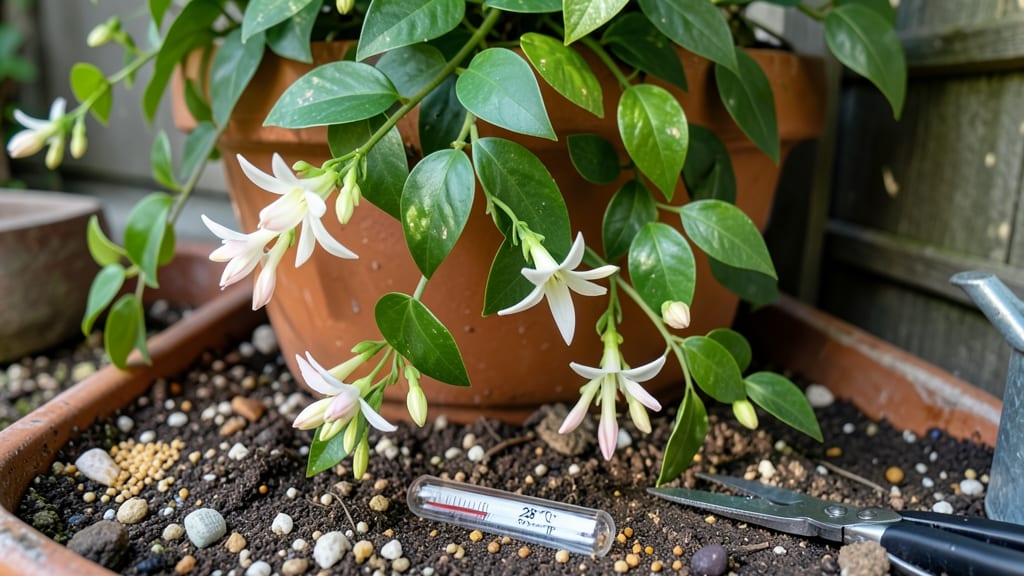
How to get your jasmine plant to bloom—it’s not about laziness, but stubbornness. 🌿 I’ve seen these fragrant vines transform from leafy green walls into flowering powerhouses by fixing just three things: light, pruning, and patience. The secret isn’t magic; it’s understanding what jasmine actually needs to open those intoxicating blossoms.
Most people overlook sunlight—jasmine craves 6+ hours of direct light daily, preferably morning sun. Mine sat in a shady corner for years, producing leaves but no flowers. Then I moved it to a south-facing window, and within 8 weeks, buds appeared.
Pruning also matters: trim leggy growth after blooming to encourage bushier, flower-heavy growth next season.
By adjusting care, you’ll see buds forming in 4-6 weeks. The first flowers might be small, but each one releases that signature jasmine scent—like a little reward for your effort. The key is consistency: light, pruning, and a balanced fertilizer (like 10-10-10) applied every 4-6 weeks during growing season.
This works for both star jasmine and Arabian jasmine, though timing varies by variety. If you’re in a cooler climate, wait until spring to prune—jasmine blooms on old wood, so cutting too early can mean fewer flowers. Now, let’s get those buds popping!
📚 In This Guide
- What you need
- Instructions
- Tips and common mistakes
- Wrapping up and next steps
What you need
- ● Jasmine plant (varieties like Jasminum officinale, Jasminum sambac, or Jasminum polyanthum—choose based on your climate)
- ● Well-draining potting mix (1–2 gallons, depending on pot size; blend with perlite or sand for aeration)
- ● 6–10 inch pot (with drainage holes; terracotta or ceramic works best)
- ● Balanced liquid fertilizer (10-10-10 or 20-20-20, diluted to half-strength)
- ● Pruning shears (sterilized, sharp, and clean to avoid disease)
- ○ Gloves (optional but helpful for thorny varieties like Jasminum grandiflorum)
- ● Bright, indirect sunlight (6–8 hours daily; avoid harsh midday sun in hot climates)
- ● Humidity tray or humidifier (for indoor plants; jasmine loves 50–70% humidity)
- ● Warmth (ideal temps: 60–80°F; protect from drafts or cold snaps)
- ● Grow lights (LED or fluorescent for indoor setups, 12–14 hours/day)
- ● Epsom salt (1 tbsp/month in water for magnesium boost)
- ● Mulch (organic, like bark chips, to retain moisture)
- ● Support trellis or stakes (for climbing varieties to encourage airflow)
Step-by-Step instructions for encouraging jasmine blooms
Here's how I coaxed fragrant blooms from my jasmine vines—same tricks work for you.
☀️ Step 1: Provide the Right Light Conditions
Jasmine thrives in full sun to partial shade, ideally 6-8 hours of direct sunlight daily. Place your plant near a south-facing window or move it outdoors during spring and summer. If indoors, supplement with a grow light for 12-14 hours daily—jasmine needs consistent light to trigger blooming.
Watch for these clues: leaves turning pale or stretching toward light mean it needs more sun. If leaves yellow or crisp at the edges, it's getting too much direct afternoon sun—move it to a slightly shadier spot. The key is bright, indirect light for most of the day.
✂️ Step 2: Prune for Airflow and Shape
Prune your jasmine after blooming to encourage new growth and more flowers. Use clean, sharp pruning shears to trim back one-third of the plant, focusing on leggy stems and crossing branches. This opens up the plant for better airflow, which reduces disease and stress.
Shape the plant by cutting just above a leaf node—this is where new growth will emerge. Avoid cutting into old wood, as jasmine blooms on new growth. I like to prune in early spring before new shoots appear, giving the plant time to recover before summer heat.
💧 Step 3: Water and Feed for Optimal Growth
Water your jasmine when the top 1-2 inches of soil feel dry—overwatering is the fastest way to kill blooms. Let the soil dry out slightly between waterings, especially in winter when growth slows. Use well-draining soil to prevent root rot, and ensure the pot has drainage holes.
Feed your jasmine with a balanced, water-soluble fertilizer every 2-4 weeks during spring and summer. I switch to a low-nitrogen, high-phosphorus fertilizer in late summer to encourage flowering. Stop fertilizing in fall and winter, as the plant enters dormancy.
🌿 Step 4: Encourage Blooming with Temperature and Humidity
Jasmine blooms best in warmth, ideally between 60-80°F. If your plant is indoors, keep it away from drafts, air conditioners, or heat vents. A sudden drop in temperature can shock the plant and delay blooming—watch for wilting or leaf drop as warning signs.
Humidity matters too. If your home is dry, mist the leaves occasionally or place the pot on a tray of pebbles and water. Jasmine also responds well to a warm shower every few weeks to clean leaves and boost humidity. The more comfortable the plant, the more likely it is to reward you with fragrant blooms.
⏰ Step 5: Be Patient and Watch for Blooming Cues
Jasmine can take 2-3 years to mature and bloom, especially if grown from a cutting. Don’t rush it—focus on healthy growth first. You’ll know it’s ready to bloom when you see new green shoots in spring and buds forming along the stems.
Once buds appear, avoid moving the plant or changing its care routine. Jasmine blooms are sensitive to stress, so consistency is key. With the right light, pruning, and care, your jasmine will reward you with fragrant, star-shaped flowers that open at night for the best scent.
Tips & tricks for encouraging jasmine blooms
Took me years to figure out these tricks—here’s how to turn your jasmine into a fragrant blooming machine.
Light Optimization: The 6-8 hours of sunlight in Step 1 is non-negotiable, but here’s the secret: rotate your plant quarter-turns every few days. This ensures all sides get equal light exposure, preventing lopsided growth that can stress the plant. For indoor jasmine, place it on a rotating turntable under your grow lights—just 4-6 inches above—so every side receives those crucial 12-14 hours of light evenly. Uneven light leads to weak stems that won’t support flower buds.
Pruning Precision: When you’re cutting back one-third of the plant in Step 2, focus on removing the oldest, thickest stems first. These are the ones that produce fewer flowers and compete with new growth. I like to make my cuts just above a leaf node where new shoots will emerge—this is where your future blooms will form. Pro tip: Use a magnifying glass to spot tiny flower buds forming on new growth; these are your reward for proper pruning.
Watering Wisdom: The "top 2 inches dry" rule in Step 3 is perfect, but here’s how to take it further: water in the morning so excess moisture evaporates by evening. This prevents fungal issues that can stress the plant and inhibit blooming. For container plants, I’ve found using a moisture meter (inserted into the soil) is more reliable than finger tests—especially if you’re prone to overwatering. The meter gives you an exact reading of soil moisture levels.
Fertilizer Timing: The 10-10-10 or 5-10-5 fertilizer recommendation in Step 4 works wonders, but here’s the key: apply it in the early morning when the plant can absorb nutrients immediately. Avoid evening feedings—the plant won’t have time to process nutrients before nightfall. Also, if you notice new leaf growth but no flower buds after 6 weeks, your plant might need a phosphorus boost. You can increase the phosphorus ratio to 7-7-7 temporarily, then return to balanced formula.
Pro Tips for Get Jasmine Plant To Bloom
- Took me years to figure out these tricks—here’s how to turn your jasmine into a fragrant blooming machine.
- Light Optimization: The 6-8 hours of sunlight in Step 1 is non-negotiable, but here’s the secret: rotate your plant quarter-turns every few days.
- Pruning Precision: When you’re cutting back one-third of the plant in Step 2, focus on removing the oldest, thickest stems first.
Frequently asked questions
Got questions about coaxing those dreamy jasmine blooms? You’re not alone! Here are answers to the most common queries—so you can troubleshoot, plan ahead, and enjoy your fragrant garden sooner.
Why isn’t my jasmine blooming even after giving it plenty of sunlight?
Jasmine thrives on bright, indirect light (6+ hours daily), but too much direct sun can stress it. If your plant is in a hot, harsh spot, try moving it to a morning sun/afternoon shade location. Overcrowded roots or lack of pruning can also delay blooms—check for root-bound pots or leggy growth and adjust!
How long does it take for a jasmine plant to bloom after planting?
Patience is key! Mature jasmine plants (1–3 years old) typically bloom in spring or early summer, but new plants may take 6–12 months to establish roots and produce flowers. For faster results, choose a pre-blooming variety like Jasminum officinale or Jasminum polyanthum, which are known for quicker flowering.
Does pruning really help jasmine bloom, or is it just for shaping?
Pruning is a game-changer! Light trimming after blooming (or in late winter) encourages new growth and more flowers. Cut back 1/3 of the plant to promote bushiness, and remove dead/diseased branches. Pro tip: Prune in the morning to let wounds heal faster!
Can jasmine bloom indoors, or is it strictly an outdoor plant?
Indoor jasmine (Jasminum officinale) can bloom with the right care! Place it near a sunny window (south or west-facing), use a grow light if needed, and maintain 60–70% humidity (mist leaves or use a pebble tray). However, outdoor jasmines (like star jasmine) often bloom more prolifically due to seasonal changes.
My jasmine has leaves but no flowers—what’s wrong?
No blooms usually mean one of these issues:
- Too much nitrogen: Use a balanced fertilizer (10-10-10) or one low in nitrogen to encourage flowering.
- Lack of dormancy: Jasmines need a cool winter rest (50–60°F) to trigger blooms.
- Overwatering: Let soil dry slightly between waterings to avoid root stress.
Wrapping up and next steps
Getting your jasmine plant to bloom is all about patience, consistency, and a little extra care! With the right balance of sunlight, pruning, and seasonal adjustments, you’ll soon be rewarded with intoxicating fragrance and stunning blooms. 🌸
Now that you’re armed with these tips, take action—monitor your plant’s progress, tweak as needed, and enjoy the journey! Next, consider exploring fertilizer options or companion plants to further boost your jasmine’s health and beauty. Happy gardening! 🌱