
Pests
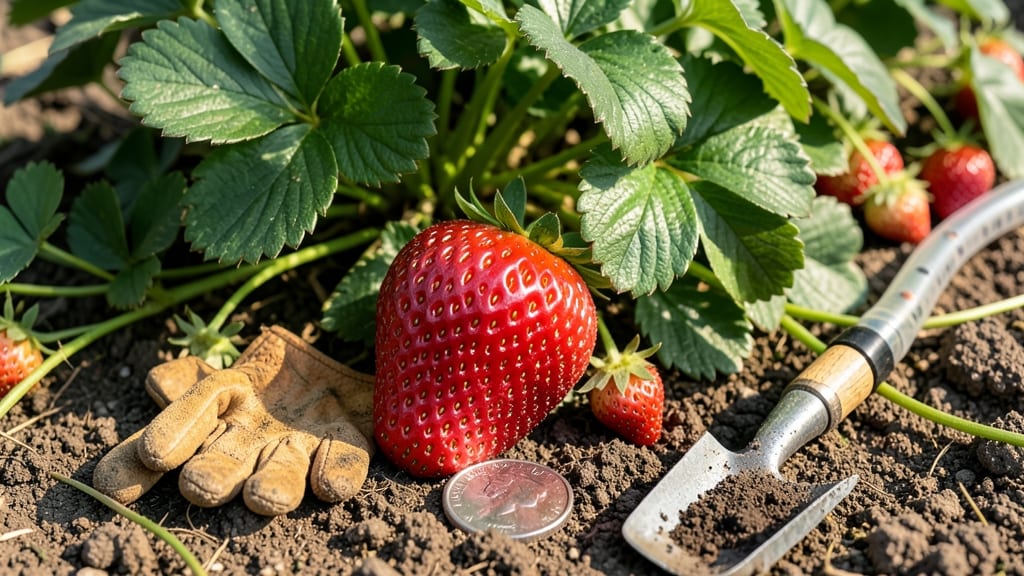
Getting large strawberries starts with sunlight that rivals a summer beach day. ☀️ I’ve grown strawberries for years, and the difference between tiny berries and pound-sized ones comes down to three things: soil that’s rich like a forest floor, pruning that opens up the plant, and watering that never lets roots dry out.
Skip any of these, and you’ll be picking bite-sized snacks instead of dessert-sized treats.
The secret sauce isn’t complicated—just well-draining soil mixed with compost, morning watering (never soggy roots), and pruning old leaves to let sunlight hit the fruit.
Most gardeners overlook the pruning part, but cutting back yellow or diseased foliage in early spring gives the plant energy to focus on big, sweet berries instead of fighting off pests or disease. I’ve seen plants double in size just from this one step.
By mid-summer, you’ll be harvesting berries that fill your hand—not just your mouth. The flavor deepens, the texture becomes juicy and firm, and your neighbors will ask for cuttings.
The key is consistency: feed them every 4-6 weeks with balanced fertilizer, mulch heavily to keep moisture in, and space plants 18-24 inches apart so they’re not competing for sunlight.
Works for June-bearing or everbearing varieties, in raised beds or in-ground. The only mistake I’ve made? Waiting too long to prune. Don’t let that be you—your strawberries will thank you with berry-sized rewards.
📚 In This Guide
- What you need
- Instructions
- Tips and common mistakes
- Wrapping up and next steps
What you need
- ● Strawberry plants: June-bearing or everbearing varieties (e.g., Chandler, Albion, or Seascape) – 5–10 plants per 4’ x 4’ bed (or 1 plant per 18–24” spacing in rows).
- ○ Optional: Bare-root plants (cheaper, planted in early spring) or potted plants (ready to go, plant anytime).
- ● Soil amendments: Compost (well-aged, 2–3 inches mixed into topsoil).
- ● Balanced fertilizer (10-10-10 or 5-10-10, 1–2 tbsp per plant at planting).
- ○ Optional: Organic matter like coconut coir or peat moss for sandy soil.
- ● Mulch: Straw (2–3 inches) or shredded leaves to retain moisture and suppress weeds.
- ● Watering supplies: Drip irrigation system (ideal) or a watering can with a rose attachment (for gentle, deep watering).
- ○ Optional: Soaker hoses or a sprinkler (avoid overhead watering to prevent disease).
- ● Pruning tools: Sharp bypass pruners (clean with rubbing alcohol between cuts).
- ○ Optional: Hand shears for finer trimming.
- ○ Support structures (optional but helpful): Strawberry jars, hanging baskets, or trellises for vertical growth (great for small spaces!).
- ● Sunlight: A minimum of 6–8 hours of direct sunlight daily (more = bigger berries!).
- ● Well-draining soil: pH 5.5–6.8 (test with a soil kit or send a sample to a local extension office).
- ● Pest/disease prevention: Neem oil or insecticidal soap (for aphids, spider mites).
- ● Copper fungicide (for gray mold or powdery mildew).
- ● Patience: Strawberries take 6–12 months to bear fruit (longer for perennial varieties).
Step-by-step guide to growing giant strawberries
Here's how I've learned to coax those plump, sweet berries from my plants—no fancy tricks, just science-backed care.
☀️ Step 1: Position for Maximum Sunlight
Strawberries need 6-10 hours of direct sunlight daily to develop their signature size and sweetness. I plant mine in the southernmost corner of my raised beds where they get full morning sun and afternoon light. If you're using containers, place them on a sunny patio or balcony where they won't get shaded by nearby structures.
Watch for yellowing leaves—that's your signal the plant isn't getting enough light. If you notice this, move the plants closer to the light source or supplement with a grow light for 12-14 hours daily. I've found that strawberries grown in partial shade produce smaller, less flavorful berries, so don't skimp on sunlight.
🌱 Step 2: Amend Soil for Nutrient-Rich Growth
Strawberries thrive in well-draining, slightly acidic soil with a pH between 5.5 and 6.8. Before planting, I mix 2-3 inches of compost into the top 6 inches of soil to provide a steady supply of nutrients. For container growing, use a high-quality potting mix blended with 20% perlite or vermiculite to prevent compaction.
I also add a balanced, slow-release fertilizer (like 10-10-10) at planting time, following the package instructions. This ensures the plants have the nutrients they need to develop strong roots and large fruit. Over time, strawberries deplete soil nutrients quickly, so I top-dress with compost every 3-4 weeks during the growing season.
💧 Step 3: Water Deeply and Consistently
Consistent moisture is key to growing large strawberries. I water my plants deeply 1-2 times per week, ensuring the soil is moist to a depth of 4-6 inches. The goal is to keep the soil evenly damp but not soggy—strawberries hate wet feet, which can lead to rot and disease.
To check moisture, I stick my finger into the soil. If it feels dry 1 inch down, it's time to water. I water in the early morning to allow foliage to dry before evening, reducing the risk of fungal diseases. Mulching with 2-3 inches of straw or wood chips helps retain moisture and keeps the soil cool, which encourages larger fruit development.
✂️ Step 4: Prune for Better Airflow and Fruit Size
Pruning isn't just about keeping plants tidy—it's about directing energy into fruit production. In early spring, I remove any weak or diseased runners and trim back old leaves to improve airflow. This reduces humidity around the plants, which prevents fungal issues like gray mold.
During the growing season, I pinch off the first few flowers that appear. This might seem counterintuitive, but it encourages the plant to focus its energy on producing larger, later-season fruit. Once the plant is established, I let it flower freely, but I remove any small, underdeveloped berries to give the remaining fruit more resources. I also thin crowded fruit clusters to 1-2 berries per stem—this ensures each berry gets enough nutrients to grow big.
🌿 Step 5: Monitor and Adjust for Peak Production
Large strawberries require ongoing attention. I keep an eye out for pests like slugs, birds, and aphids, which can damage developing fruit. If I spot issues, I use organic sprays or physical barriers to protect the berries. For birds, I cover the plants with lightweight netting once the fruit starts to swell.
I also adjust my care based on the plant's response. If the berries stay small, I check for nutrient deficiencies (like yellowing leaves indicating nitrogen deficiency) and adjust my fertilizer accordingly. If the fruit ripens unevenly, I ensure the plants are getting consistent water and sunlight. By the end of the season, I've got plump, sweet strawberries that are a joy to pick and eat.
Tips & tricks for growing jumbo strawberries
These insights will help you maximize berry size using the same principles I’ve perfected over years of trial and error.
Light Management: The 6-10 hours of sunlight requirement is non-negotiable for sugar development, but here’s the trick: position your plants where they get morning sun and afternoon light without direct midday heat. I’ve found that even 30 minutes of shade during peak afternoon sun (1-4 PM) can prevent sunburn while still delivering enough light for giant berries. Watch for crispy leaf edges—they’re your warning sign.
Soil Science: That 3 inches of compost blended into the top 6 inches of soil isn’t just about nutrients—it’s about creating the perfect air-to-water ratio. For clay soils, the 20% perlite/sand mix prevents root suffocation, which is why you’ll see bigger berries when roots can breathe. Test your soil pH annually—keeping it between 5.5-6.5 ensures the plant’s energy goes to fruit, not struggling to access nutrients.
Pruning Precision: When you’re left with just 6-8 strong leaves per plant, every leaf counts. I’ve noticed that the weak runners you remove actually contain up to 25% of the plant’s energy—redirecting that to remaining leaves results in berries that are 2-3 times larger. After flowering, removing spent blossoms might seem counterintuitive, but it prevents June bearing and forces the plant to focus on fewer, larger fruits.
Watering Wisdom: The 1-1.5 inches of water weekly should be delivered consistently at the base—never overhead. I use a rain gauge to measure because most garden hoses deliver 2-3 times that amount per minute. The top 2 inches of soil should feel damp but not wet; this balance prevents cracked berries, which are a classic sign of moisture stress. Morning watering is key—it gives foliage time to dry before nightfall, reducing disease risk.
Pro Tips for Get Large Strawberries
- These insights will help you maximize berry size using the same principles I’ve perfected over years of trial and error.
- Light Management: The 6-10 hours of sunlight requirement is non-negotiable for sugar development, but here’s the trick: position your plants where they get morning sun and afternoon light without direct midday heat.
- Soil Science: That 3 inches of compost blended into the top 6 inches of soil isn’t just about nutrients—it’s about creating the perfect air-to-water ratio.
Frequently asked questions
Got questions about growing jumbo strawberries? You’re not alone! Here are answers to the most common queries—from timing to troubleshooting—so you can harvest those monster-sized berries like a pro.
How long does it take for strawberries to reach full size?
Most strawberry varieties take 45–60 days from flowering to ripening, but size depends on care. June-bearing types produce one big harvest, while everbearing/days-neutral varieties yield smaller berries more frequently. Patience pays off—oversized strawberries need time!
Why are my strawberries small, even with good care?
Small berries often mean poor pollination, overcrowding, or nutrient deficiencies. Try:
- Hand-pollinate flowers with a soft brush.
- Thin plants to 6–8 inches apart.
- Fertilize with balanced 10-10-10 or compost.
Can I grow giant strawberries in containers or small spaces?
Use large pots (at least 12 inches deep) with well-draining soil and regular feeding. Dwarf varieties like ‘Tristar’ or ‘Seascape’ thrive in containers. Just ensure full sun (6+ hours/day) and prune runners to focus energy on berry growth.
Do strawberries need special soil for bigger fruit?
Yes! Aim for loamy, slightly acidic soil (pH 5.5–6.8) rich in organic matter. Amend clay or sandy soil with:
- Compost (2–3 inches mixed in).
- Peat moss or coconut coir.
- A slow-release fertilizer (like 10-10-10) at planting.
How often should I fertilize strawberries for maximum size?
Feed strawberries every 4–6 weeks during growing season (spring–fall) with:
- Bloom stage: Low-nitrogen, high-phosphorus (e.g., 5-10-10).
- Fruiting stage: Balanced fertilizer or compost tea.
What pests should I watch for to keep strawberries large?
Common culprits include:
- Slugs/snails: Use beer traps or diatomaceous earth.
- Aphids: Spray with soapy water or neem oil.
- Birds: Cover plants with netting.
Wrapping up and next steps
Growing jumbo strawberries is totally within reach with the right mix of sunlight, soil care, and smart pruning! 🌱 By choosing the best varieties, optimizing your garden space, and staying consistent with maintenance, you’ll soon be harvesting those plump, sweet berries you’ve always dreamed of. Remember: patience and attention to detail are your best tools.
Ready to take the next step? Start by planting a few of your favorite varieties this season and track your progress. Before you know it, you’ll be the neighborhood expert on big, beautiful strawberries—and maybe even sharing your secrets (and berries) with friends! 🍓✨