
Pests
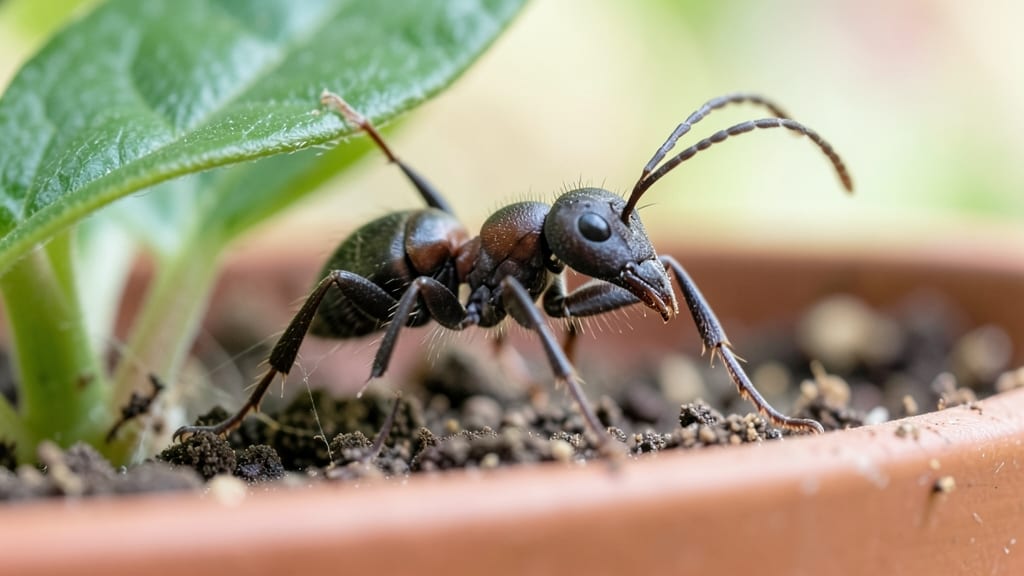
How to get rid of ants in my plant pots—it’s not just about the annoyance of watching them march through your soil, but also about protecting your plants from nutrient theft and keeping them out of your kitchen. 🌱 I’ve battled these tiny invaders for years, and the vinegar soak method finally worked where everything else failed. It’s not just about killing ants; it’s about breaking their scent trails so they never return.
The secret lies in a simple, non-toxic solution that disrupts their pheromone paths. You’ll need just vinegar, water, and a spray bottle—no harsh chemicals that could harm your plants.
This method works within 24 hours for light infestations and prevents future visits by making your pots smell like a no-go zone to ants.
By the end of this, your pots will be ant-free, your soil healthier, and your plants thriving without unwanted visitors. The best part? This technique works for indoor and outdoor pots, from tiny herbs to large container gardens. No more waking up to ant highways on your windowsill.
Fair warning: ants are persistent, so consistency is key. After treatment, keep an eye out for new trails—this method doesn’t just kill them, it rewrites their navigation system. Let’s make your pots their last stop.
Root Causes of Ant Infestations
Ants don’t just randomly invade your plant pots—they’re drawn by specific triggers, often linked to your plants’ health, soil conditions, or even your home’s ecosystem. Understanding these causes is the first step to outsmarting them. Let’s break down why these tiny troublemakers show up in the first place.
Ants are attracted to phloem sap, the sugary liquid that flows through your plants. Many common houseplants—like pothos, spider plants, and ferns—produce this sweet nectar as a natural byproduct. When ants feed on it, they leave behind trail pheromones, signaling their colony to follow.
- Why it matters: A single ant on your plant can lead to a full invasion within hours.
- Actionable clue: If you spot ants crawling upward on stems or leaves, they’re likely following a sap trail.
Ants thrive in moist, decomposing material, which is often found in:
- Overwatered soil (anaerobic conditions create fungal growth)
- Dead roots or fallen leaves trapped in pots
- Old mulch or compost left near drainage holes
Worker ants scavenge for protein and moisture in decaying matter, making your plant pots an all-you-can-eat buffet.
- Red flag: Musty smells or slimy soil mean ants have a food source.
- Pro tip: Aerate your soil regularly—ants avoid well-draining, oxygen-rich environments.
If your plant pots sit near windowsills, doorways, or outdoor ant trails, they’re essentially highway on-ramps for invaders. Ants follow chemical scent trails left by foragers, and once one scout finds your pot’s resources, the rest follow.
- Tell-tale sign: Ants marching in a straight line (even indoors) means they’re following a pre-laid trail.
- Science fact: Some species (like odorous house ants) can recruit thousands of workers in minutes.
Ants don’t just visit—they build nests in:
- Loose, sandy soil (easy to dig)
- Cracks in terracotta pots
- Drainage holes (hidden entry points)
Once established, they farm aphids (plant pests that excrete honeydew) and protect their colony, making removal harder.
- Hidden danger: Fire ants or carpenter ants can nest underground, requiring deeper intervention.
- Quick check: Gently tap the pot—if you hear rustling, they’re already inside.
Even small crumbs or spills near your plants can accidentally feed ants, luring them toward your pots. Common culprits:
- Coffee grounds (left as "fertilizer")
- Fruit peels or juice spills
- Pet food or treats near indoor plants
Ants associate human food with easy meals, and your plant pots become collateral damage.
- Prevention tip: Wipe surfaces near pots daily—ants won’t risk crossing clean zones.
Ants are more active during:
- Warm, humid weather (they seek moisture)
- Early spring/summer (queens lay eggs, increasing scouts)
- After rain (soil softens, making nesting easier)
If you suddenly see ants, check the forecast—they might be seasonal visitors.
- Key insight: Harvester ants (common in dry climates) raid pots for seeds, while argile ants target sugary plants.
Ants often team up with other pests like:
- Aphids (ants "farm" them for honeydew)
- Mealybugs (ants protect them from predators)
- Fungus gnats (ants eat their larvae)
If you’ve dealt with plant pests before, ants may have already moved in as uninvited guests.
- Break the cycle: Treat pests first—ants will leave once their "livestock" is gone.
Quick Fixes for Ant Infestations
Ants in your plant pots aren’t just a nuisance—they can harm your plants and even invite other pests to the party. 🐜 The good news? You don’t need harsh chemicals to kick them out.
Below, we’ve broken down the most common reasons ants invade your pots and the easiest, most effective ways to tackle them. Plus, we’ll share some pro tips to keep them from crashing your garden party again.
If your pots are overwatered or have soggy soil, ants see them as an all-you-can-eat buffet. These tiny critters love moisture, and damp soil is like a five-star hotel for them.
How to Fix It:
- 🍳 Reduce Watering: Let the top inch of soil dry out between waterings. Ants thrive in damp conditions, so cutting back forces them to leave.
- 👨🍳 Add Dry Mulch: Sprinkle a layer of coarse sand, gravel, or dry mulch on top of the soil. This creates a barrier that ants dislike crossing.
- ⏰ Drain Excess Water: Ensure your pots have drainage holes. If not, poke a few with a nail or drill them—ants won’t stick around if their home is flooding.
💡 Prevention Tip:
Use terracotta pots instead of plastic. Terracotta wicks away moisture faster, making it less appealing to ants. Plus, it’s eco-friendly and stylish!
Ants are drawn to sweet or greasy substances, whether it’s honeydew from aphids, spilled soda, or even your morning coffee crumbs near the pots. If your plants are hosting aphids or mealybugs, ants will farm them like a tiny, creepy cattle ranch.
How to Fix It:
- 🔪 Eliminate the Food Source: Spray your plants with a mix of 1 part dish soap + 1 quart of water to kill aphids or mealybugs. Ants will lose interest once their “livestock” is gone.
- 🥘 Clean Up Spills: Wipe down surfaces near your pots—crumbs, syrup, or grease act like neon signs for ants.
- 🌡️ Use Ant Baits: Place small amounts of borax sugar bait (1 part borax to 3 parts sugar + water) near the pots. Ants will take it back to the colony, and it’ll wipe them out from within.
💡 Prevention Tip:
If you notice ants trailing toward your house, check for food sources inside first. A sealed trash can or wiping sticky spills can stop them before they reach your plants.
If you’ve spotted ant hills or tunnels in your pots, they’ve already set up shop. These guys are persistent, so you’ll need to outsmart them.
How to Fix It:
- 🌡️ Boiling Water Blast: Pour boiling water directly into the ant tunnels or hills. This kills the queen and workers on contact. (Do this early in the morning for best results.)
- 🔥 Diatomaceous Earth Barrier: Sprinkle food-grade diatomaceous earth (DE) around the base of the pot and on top of the soil. It’s like tiny glass shards to ants—they dehydrate and die. Reapply after rain.
- 🎯 Vinegar Soak (Your Secret Weapon): Mix equal parts white vinegar and water, then soak the soil for 10 minutes. The strong smell repels ants, and the acidity disrupts their scent trails. Do this weekly for a month to ensure they don’t return.
💡 Prevention Tip:
Plant mint, lemon balm, or lavender near your pots. Ants hate these scents and will avoid them like the plague. Bonus: Your garden will smell amazing!
Ants are tiny but strategic—they’ll find the smallest cracks or gaps to invade. Seal them off, and you’ll cut off their access.
How to Fix It:
- 🔪 Caulk Gaps: Check where your pots meet surfaces (like a deck or table). Use silicone caulk to seal any cracks.
- 🍳 Create a Barrier: Draw a line of chalk, cinnamon, or coffee grounds around the pot’s base. Ants won’t cross these natural repellents.
- 🌡️ Use Copper Tape: Wrap copper tape around the pot’s rim. Ants dislike the metal and won’t climb over it.
💡 Prevention Tip:
Keep your pots elevated on brick stands or pot feet. This prevents ants from marching up from the ground and makes it harder for them to build bridges to your plants.
Ants in your plant pots don’t have to be a losing battle. With these targeted solutions, you’ll send them packing—and keep your greenery thriving. 🌿 Start with one or two methods, monitor the situation, and adjust as needed. Soon, your pots will be ant-free zones!
Frequently asked questions
Why do ants keep coming back even after I treat my plant pots?
Ants have powerful scent trails that mark their paths. Even if you kill them, the pheromones remain. Reapply your treatment (like vinegar soak) every 3-5 days for 2 weeks to break their trails completely. Also check nearby food sources—they’ll keep returning if they find crumbs or spills.
Is vinegar safe for all types of plants?
Yes, but use it carefully! Dilute vinegar (1:1 with water) is safe for most plants, but avoid spraying leaves directly—focus on soil and pot surfaces. For sensitive plants like succulents or orchids, reduce to 1 part vinegar to 3 parts water to prevent acid damage.
What's the fastest way to deal with a severe ant infestation?
For heavy invasions, combine methods:
- Boil water into tunnels,
- Apply diatomaceous earth around the pot, and
- Set borax sugar baits nearby. This 3-step attack kills current ants while preventing new ones from following scent trails. Repeat daily for 3 days for best results.
Can I use essential oils to repel ants?
Mix 10 drops of peppermint or citrus oil with 1 cup water in a spray bottle. Lightly mist around pot edges (not leaves) every 2-3 days. Reapply after rain. Essential oils disrupt ant communication and create a natural barrier they avoid.
Will ants harm my plants if they're just crawling on them?
Not directly, but they can cause indirect damage. Ants protect pests like aphids and mealybugs, which drain nutrients from your plants. They also create tunnels that disrupt root systems. Remove them quickly to prevent these secondary problems from developing.