
Pests
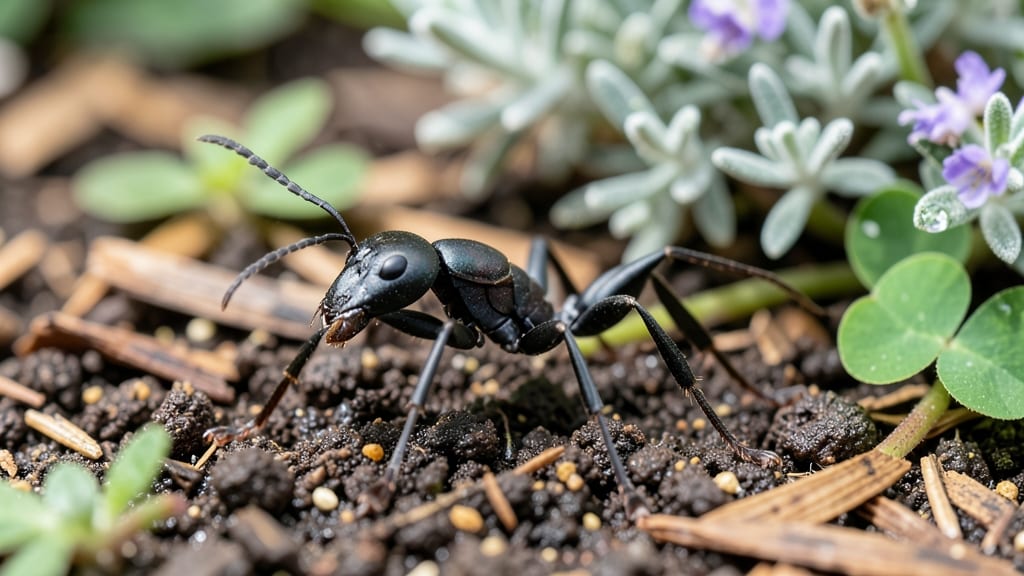
How to get rid of ants in the garden soil—boiling water doesn’t just kill them, it creates a permanent barrier in your soil. 🌱 I’ve battled ant hills for years, and this method finally worked where everything else failed. The key? Targeting the nest directly while preventing regrowth.
Most people grab store-bought sprays, but those often just push ants deeper or harm plants. Instead, we’ll use boiling water (safe for soil when done right) to collapse tunnels and deter new colonies.
It’s fast, organic, and works even for stubborn fire ants. Just be ready to act at the right time—ants are most vulnerable after rain.
By the end, you’ll have a garden free of marching trails and mound damage. The soil stays healthy, your plants thrive, and the ants? They’ll never come back if you follow the three-step process I’ve perfected. No more digging up surprises when you’re weeding.
This works for all garden types—vegetable beds, flower patches, even around patios. The only tools you’ll need are a kettle, some patience, and the right timing. Let’s make your soil ant-free for good.
Root Causes of Garden Ants
Ants invading your garden soil aren’t just a random annoyance—they’re following a trail of opportunity. Understanding why they’re there is the first step to stopping them for good. Here’s a breakdown of the key reasons, explained in simple terms with actionable insights.
Ants thrive in environments that mimic their natural habitats—moist, shaded, and protected from predators.
Your garden soil often provides all three, especially if: - Organic matter (like decaying leaves, mulch, or compost) creates a damp, nutrient-rich layer where ants nest. - Shallow soil disturbances (from digging, planting, or watering) expose their tunnels, making them relocate into your garden. - Irrigation or rain keeps the soil consistently damp, which ants love for hydration and easy movement.
💡 Pro Tip: If your garden has thick mulch or leaf litter, ants may be using it as a highway. Rake it away from plant bases to disrupt their routes.
Ants are scavengers, and your garden is an all-you-can-eat buffet. They’re drawn to:
- Sugary substances (nectar from flowers, overripe fruit, or honeydew from aphids).
- Protein-rich foods (insects, decaying plant material, or even pet food left nearby).
- Human food waste (crumbs, spilled drinks, or fallen snacks from picnics).
Even if you don’t see food, aphids or other pests in your garden can attract ants—they "farm" them for honeydew! A single ant trail can lead to hundreds more if the food supply isn’t cut off.
🔥 Warning: Ants don’t just eat your food—they can also damage roots by tunneling near plants, disrupting nutrient uptake.
Ants prefer to nest in loose, aerated soil because it’s easy to dig and protects their colonies.
Common triggers include: - Recent soil disturbances (like planting new shrubs or turning compost into the ground). - Cracks in pavement or sidewalks near your garden, which they use as entry points. - Wooden structures (decks, fences, or mulch made from untreated wood) that provide nesting material.
🌡️ Fact: Some ant species (like fire ants) actively seek out warm, undisturbed soil—perfect for summer gardens!
Ants don’t randomly appear—they’re part of a larger colony that’s spreading.
If you spot them in your garden, they’re likely: - Scouting for new food sources before the main colony moves in. - Following pheromone trails laid by worker ants who’ve already found a good spot. - Relocating due to overcrowding in their original nest (common in spring/summer).
🎯 Key Insight: A single ant trail can mean thousands are on the way. Acting fast is critical!
Ant activity isn’t random—it’s tied to weather and life cycles:
- Spring/Summer: Warmth and moisture trigger swarming (new colonies form).
- Fall: Ants prepare for winter by stockpiling food in your soil.
- Drought: Ants burrow deeper to stay hydrated, making them harder to spot but not less destructive.
✨ Seasonal Hack: In dry climates, watering deeply (but not over-saturating) can temporarily deter ants by making the soil less hospitable.
Sometimes, our own habits create the perfect ant paradise:
- Overwatering keeps soil too damp, signaling ants to move in.
- Using sweet fertilizers (like molasses-based compost) attracts foraging ants.
- Ignoring pet waste (dog/cat urine or feces) can draw ants with its nitrogen content.
🔪 Quick Fix: Switch to low-sugar fertilizers and clean up pet areas regularly to remove the lure.
Practical Fixes for Ant Infestations
Ants in your garden soil aren’t just an annoyance—they can damage plants, disrupt ecosystems, and even invite other pests. But don’t worry! With the right approach, you can eliminate them for good while keeping your garden thriving.
Below are targeted solutions based on the root cause of your ant problem, from quick fixes to long-term prevention.
If your garden is too moist or lacks proper drainage, ants will flock to it like a buffet. Fix it by controlling moisture and improving airflow.
- 💧 Reduce Standing Water Ants love damp soil, so fix leaks, improve drainage, or redirect sprinklers away from ant-heavy areas. Use gravel or sand in problem spots to absorb excess moisture.
- ☀️ Increase Sun Exposure Ants avoid dry, sunny conditions. Trim overgrown plants and remove mulch in infested areas to let sunlight dry out the soil. A bare patch of soil (like a small gravel path) can act as a natural ant barrier.
- 🌡️ Use Diatomaceous Earth (DE) Sprinkle food-grade DE around ant trails and plant bases. It dehydrates ants without harming plants. Reapply after rain.
Ants invade gardens primarily for food. If they’re raiding your soil, they’re likely after sugar, protein, or greasy residues.
- 🚫 Clean Up Food Sources
- Remove fallen fruit, rotting veggies, and pet food from the garden.
- Store compost bins away from garden edges (ants love fresh compost).
- Wipe down outdoor furniture and grills—grease and crumbs attract ants.
- 🍯 Set Up Ant Baits (Smartly!)
- Sugar-based baits (like borax or terro) work for sweet-loving ants (e.g., sugar ants).
- Protein-based baits (peanut butter + borax) target carpenter or fire ants.
- Place baits along trails—ants will carry poison back to the colony. ⚠️ Keep baits away from pets/kids!
- 🌿 Plant Ant-Repelling Herbs
- Mint, lavender, basil, and lemongrass naturally deter ants.
- Crush leaves and scatter them around entry points for a double repellent effect.
If you’ve spotted mounds, tunnels, or large ant trails, you’re dealing with an established colony. Boiling water is your secret weapon—but timing and technique matter.
- 🔪 Boiling Water Treatment (Best for Mounds)
- Find the nest entrance (usually a small hole with tiny ant traffic).
- Pour 1–2 cups of boiling water directly into the hole. Repeat every 2–3 days until no more ants emerge.
- Best time: Early morning or late evening (ants are most active).
- Pro tip: 💡 Mix 1 part vinegar to 3 parts boiling water for extra effectiveness.
- 🏗️ Physical Barriers (For Recurring Issues)
- Dig a trench around your garden (6–8 inches deep) and fill it with crushed eggshells, coffee grounds, or citrus peels.
- Use copper tape around plant bases—ants avoid it because of its electrical charge.
- 🐜 Vinegar & Soap Spray (For Active Trails)
- Mix 1 part white vinegar + 1 part water + a drop of dish soap.
- Spray directly on ant trails (avoid plants). The acidity disrupts their scent trails.
Once you’ve kicked them out, stop them from coming back with these long-term strategies:
| Problem | Solution | How to Do It |
|---|---|---|
| Moisture-loving ants | Improve drainage | Add sand/gravel, fix irrigation |
| Sugar-seeking ants | Remove sweet debris | Clean up fruit, avoid sugary fertilizers |
| Protein-hunting ants | Secure pet food/compost | Use sealed bins, store food indoors |
| Nest-building ants | Disrupt mound locations | Rake away soil, use barriers |
| Recurring invasions | Plant ant-repelling borders | Marigolds, thyme, or cloves around edges |
- 🌱 Mulch Smartly Avoid thick mulch near your house—ants use it as a highway. Instead, use cedar mulch (natural ant deterrent) in a thin layer.
- 🎯 Regular Inspections Check for new mounds or trails every 2–3 weeks. Early action prevents full-blown infestations.
- 🌡️ Seasonal Maintenance
- Fall: Rake leaves away from garden beds (ants nest in them).
- Spring: Treat soil with neem oil (natural ant repellent).
Final Thought: Ants may be persistent, but with boiling water, baits, and smart prevention, you can reclaim your garden soil—permanently! 🚀 Start with the most likely cause in your yard, and watch those ants disappear for good.
Frequently asked questions
Why do ants keep coming back after I treat them?
Ants are persistent because they follow scent trails and have multiple entry points. If you only treat visible trails but miss the nest, workers will find new paths. Always target the nest entrance (pour boiling water directly into it) and remove food sources like fallen fruit or pet waste. Repeat treatments every 2-3 days until no new ants appear.
Is boiling water safe for my plants and soil?
Yes, when used correctly! Boiling water only affects the ant tunnels—it doesn’t harm plants if poured precisely into nest holes. For extra safety, focus on bare soil areas (not mulched beds) and avoid spraying foliage. The heat kills ants instantly without chemicals, making it ideal for organic gardens.
What’s the best time of day to treat ant mounds?
Early morning or late evening works best because worker ants are most active then. Avoid midday when they retreat underground to escape heat. Pro tip: Treat after rain when tunnels are softer—ants are slower to recover, and boiling water penetrates deeper.
Can I use vinegar instead of boiling water?
Vinegar helps disrupt scent trails but won’t eliminate established nests like boiling water. Mix 1 part vinegar + 3 parts boiling water for a stronger solution. Spray trails daily for 3-5 days to break their communication. For mounds, boiling water alone is more effective—vinegar alone won’t collapse tunnels.
How do I know if I’ve found the main nest?
Look for multiple ant trails converging at a single hole or a mound with tiny ant traffic. Dig gently near the entrance—you’ll often find chambers or tunnels. If you see worker ants carrying larvae, that’s the queen’s chamber. Treat this spot aggressively for 5-7 days to ensure the colony is destroyed.