
Aphids
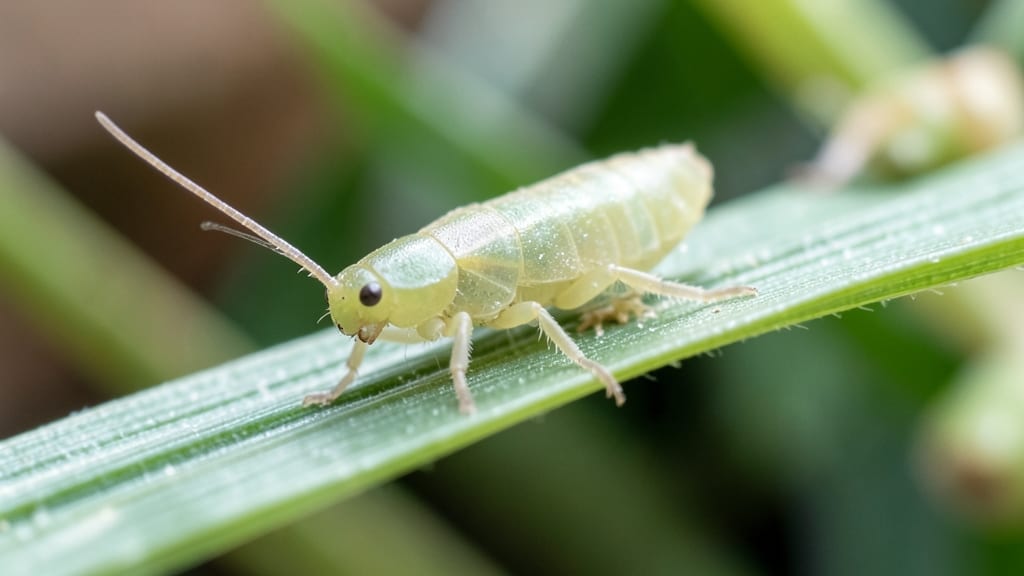
How to get rid of aphids on bamboo—boiling water kills them instantly without harming the plant. 🌱 I’ve battled these sap-sucking pests for years, and this method works every time—no harsh chemicals needed. The trick is precision: pour the water directly on the colonies where they cluster thickest. Most people spray randomly, but aphids hide in the crevices of bamboo canes and new growth. Target those spots first, and you’ll see them drop within minutes. The steam suffocates them instantly, while the plant recovers quickly—unlike chemical sprays that can leave residue. You’ll notice fresh, sticky honeydew (aphid poop) disappear within days, and new shoots emerge cleaner than before. The best part? This method works on both clumping and running bamboo varieties without scorching the foliage. For stubborn infestations, repeat weekly until no more aphids appear. It’s faster than neem oil and safer than insecticides—just be ready with a pot of freshly boiled water!
Root Causes of Aphid Infestations
Aphids don’t just randomly appear on your bamboo—they’re drawn by specific conditions that make your plants a buffet. Understanding these triggers is the first step to breaking their cycle. Here’s why these tiny pests target your bamboo and how they exploit its weaknesses.
Aphids thrive where bamboo is stressed, as weakened plants produce less saponins (natural insect-repelling compounds) and volatile organic compounds (VOCs) that normally deter pests. When bamboo struggles—whether from poor soil, drought, or overwatering—its defenses drop, making it an easy target.
- Nutrient Deficiency: Low nitrogen or phosphorus levels stunt growth, reducing the plant’s ability to produce secondary metabolites that repel aphids.
- Water Stress: Both overwatering (leading to root rot) and drought weaken bamboo, making it easier for aphids to pierce stems with their stylets (mouthparts) to feed on sap.
- Pests & Diseases: Prior infestations (e.g., spider mites, fungal infections) create entry points for aphids, which often follow other pests to exploit damaged tissue.
💡 Pro Tip: Healthy bamboo is resilient. Conduct a soil test every 2–3 years to ensure proper nutrient balance—aphids hate a plant that’s firing on all cylinders.
Bamboo isn’t just a food source for aphids—it’s an ideal habitat.
These pests are drawn to: - Soft, New Growth: Young bamboo shoots are rich in sugars and amino acids, making them a high-calorie snack for aphids. - High Sap Flow: Some bamboo species (like Phyllostachys) produce abundant phloem sap, which aphids love.
Their salivary enzymes break down cellulose, making it easier to suck up nutrients. - Clustered Leaves: Dense foliage provides shade and shelter, protecting aphids from predators (like ladybugs) and harsh sunlight.
🔥 Did You Know? Aphids can reproduce asexually—a single female can give birth to 50–100 nymphs in a week if conditions are perfect. That’s why infestations explode so fast!
Aphids are opportunistic hitchhikers that rely on external factors to spread. These conditions create the perfect storm:
| Trigger | How It Helps Aphids | Solution |
|---|---|---|
| Warm Temperatures (60–80°F) | Speeds up reproduction; aphids enter diapause (dormancy) in cold weather. | Monitor temps; use row covers in early spring if outbreaks are common. |
| Humidity | High moisture keeps aphids hydrated and deters natural predators (e.g., lacewings). | Improve airflow with pruning or spacers between plants. |
| Wind Patterns | Light breezes carry alates (winged aphids) from nearby infested plants. | Isolate new bamboo; check neighboring plants for early signs. |
| Ant Farms | Ants farm aphids for honeydew, protecting colonies in exchange for sugar. | Apply diatomaceous earth near ant trails to disrupt their relationship. |
✨ Fun Fact: Some ant species (Lasius niger) even herd aphids like cattle, stroking them with their antennae to boost honeydew production!
Aphids don’t just appear—they’re often introduced by human actions:
- Contaminated Tools: Pruners or stakes from infested plants can transfer aphids to healthy bamboo.
- Nursery Plants: Buying bamboo with hidden aphid eggs (especially in root balls) is a common mistake.
- Traveling Pests: Birds, wind, or even your shoes can carry aphids from one garden to another.
🔪 Prevention Hack: Disinfect tools with 70% isopropyl alcohol between uses, and quarantine new plants for 2 weeks before planting.
Sometimes, aphids follow other pests or diseases that alter bamboo’s chemistry:
- Fungal Infections (e.g., bamboo rust) weaken cell walls, making sap easier to access.
- Scale Insects: These pests damage vascular tissue, creating ideal feeding spots for aphids.
- Viral Spread: Aphids can transmit plant viruses (like bamboo mosaic virus), further stressing the plant and making it more susceptible.
🌡️ Warning Sign: If your bamboo shows yellowing leaves, stunted growth, or black sooty mold (a fungus fed by aphid honeydew), the infestation may already be systemic.
Aphids don’t choose bamboo randomly—they’re strategic invaders that exploit weakness, abundance, and opportunity. By addressing these root causes—strengthening plant health, disrupting environmental triggers, and preventing spread—you can make your bamboo unappealing to these pests before they even arrive. 🚀
Quick Fixes for Aphid-Infested Bamboo
If your bamboo plants are under siege by aphids, don’t panic—there are effective, natural, and easy-to-follow solutions to reclaim your garden. Below, we’ve mapped the most common causes of aphid infestations to the best fixes, along with prevention tips to keep those pesky bugs away for good.
Aphids thrive where plants are stressed or packed too tightly. Weak stems and dense foliage create the perfect hiding spot for them to multiply.
How to Fix It:
- 🍳 Prune Aggressively – Trim back overgrown or crowded bamboo stems to improve airflow. Focus on removing yellowing, wilted, or heavily infested leaves first.
- 👨🍳 Thin Out Clumps – If your bamboo is growing in dense patches, space out the canes by 1-2 feet to reduce aphid shelter.
- 🥘 Fertilize Smartly – Use a balanced, organic fertilizer (like fish emulsion or compost tea) to strengthen stems. Avoid over-fertilizing with nitrogen, which attracts aphids.
💡 Prevention Tip: Regularly check bamboo joints and new growth—aphids love tender shoots! A quick inspection every 2-3 weeks can catch infestations before they spread.
Aphids are a buffet for ladybugs, lacewings, and parasitic wasps—but if these predators aren’t around, the aphids take over.
How to Fix It:
- 🔥 Invite Beneficial Bugs – Plant dill, fennel, or yarrow nearby to attract ladybugs and lacewings. These predators devour aphids in days!
- 🥘 Release Predatory Wasps – Purchase aphid-specific parasitic wasps (like Aphidius colemani) from garden centers. They lay eggs inside aphids, killing them naturally.
- 🌡️ DIY Soap Spray (Emergency Fix) – Mix 1 tsp mild castile soap + 1 quart water in a spray bottle. Lightly coat infested areas (avoid overspraying—it can harm beneficial insects too).
💡 Prevention Tip: Skip broad-spectrum pesticides—they kill helpful bugs along with pests. Instead, use neem oil or insecticidal soap sparingly to avoid disrupting the ecosystem.
Aphids love moist, nutrient-rich soil and weak plants. Poor drainage or overwatering can make bamboo a prime target.
How to Fix It:
- ⏰ Adjust Watering Habits – Let the top 1-2 inches of soil dry out between waterings. Aphids thrive in damp, soggy conditions, so well-draining soil is key.
- 🔪 Improve Soil Drainage – Amend heavy clay soil with perlite, sand, or compost to prevent waterlogging.
- 🌡️ Boost Plant Resilience – Water at the base (not overhead) to reduce humidity on leaves, making them less appealing to aphids.
💡 Prevention Tip: Mulch with gravel or coarse bark instead of organic mulch—it reduces soil moisture while keeping weeds down.
If aphids have fully colonized your bamboo, a boiling water treatment can smother entire clusters in one go—no chemicals needed!
How to Fix It:
- 🔥 Identify the Worst Hotspots – Look for heavy aphid clusters (they often gather on new shoots, leaf undersides, or stem joints).
- 🍳 Boil Water & Pour Carefully – Fill a kettle or pot with 2-3 gallons of water, bring to a rolling boil, then slowly pour over infested areas.
- ⚠️ Safety First: Wear gloves and avoid windy days—steam can scald nearby plants or skin.
- 🥘 Repeat as Needed – For large clumps, treat in sections over 2-3 days. Aphids and their eggs will boil away instantly.
- 🌡️ Follow Up with Prevention – After treatment, spray neem oil (1 tbsp per gallon of water) to repel any survivors.
💡 Prevention Tip: After boiling, prune and dispose of heavily infested leaves in a sealed trash bag—don’t compost them!
The best way to keep aphids off bamboo for good? Combine these habits:
| Action | How to Do It | Frequency |
|---|---|---|
| Prune & Thin | Remove 1/3 of overgrown stems annually | Spring & Fall |
| Inspect Weekly | Check new growth & leaf undersides | Every 7-10 days |
| Encourage Predators | Plant dill, marigolds, or basil near bamboo | Once, then maintain |
| Water Wisely | Deep water at the base, not leaves | 2-3x per week |
| Boil Treatments | Use only when infestations peak | As needed (early detection = less work!) |
Final Thought: Aphids may be stubborn, but with targeted fixes and preventive care, your bamboo can bounce back stronger—without harsh chemicals. Start with one or two methods this week, and watch those pests disappear for good! 🚀
Frequently asked questions
Why does boiling water work better than soap sprays for bamboo?
Boiling water kills aphids instantly by suffocating their colonies, while soap sprays often miss hidden eggs or require multiple applications. The steam also sterilizes the area, preventing reinfestation from nearby plants. For bamboo, this method is safer as it doesn't harm the plant's natural defenses like some chemical treatments might.
How often should I check my bamboo for aphids?
Inspect your bamboo every 7-10 days, focusing on new shoots and leaf undersides where aphids hide. Early detection prevents small problems from becoming large infestations. A quick visual check during routine garden maintenance works best—no need for special tools.
Will boiling water harm beneficial insects like ladybugs?
Yes, boiling water will kill any insects in its path, including ladybugs and lacewings. That's why it's best used as a last resort for severe infestations. For lighter cases, use neem oil or insecticidal soap instead to protect your garden's natural pest control system.
Can I use this method on all bamboo species?
Yes, boiling water works on both clumping and running bamboo varieties. However, be extra careful with delicate species like Fargesia—test a small area first to ensure the plant tolerates the heat. Most mature bamboo canes handle the treatment without damage when applied carefully.
What's the best time of day to treat aphids with boiling water?
Early morning works best when temperatures are cooler and plants are less stressed. Avoid treating in direct sunlight or when windy—this prevents water from evaporating too quickly and reduces the risk of burning nearby foliage. The cooler conditions also make the treatment more effective against hiding aphids.