
Pests
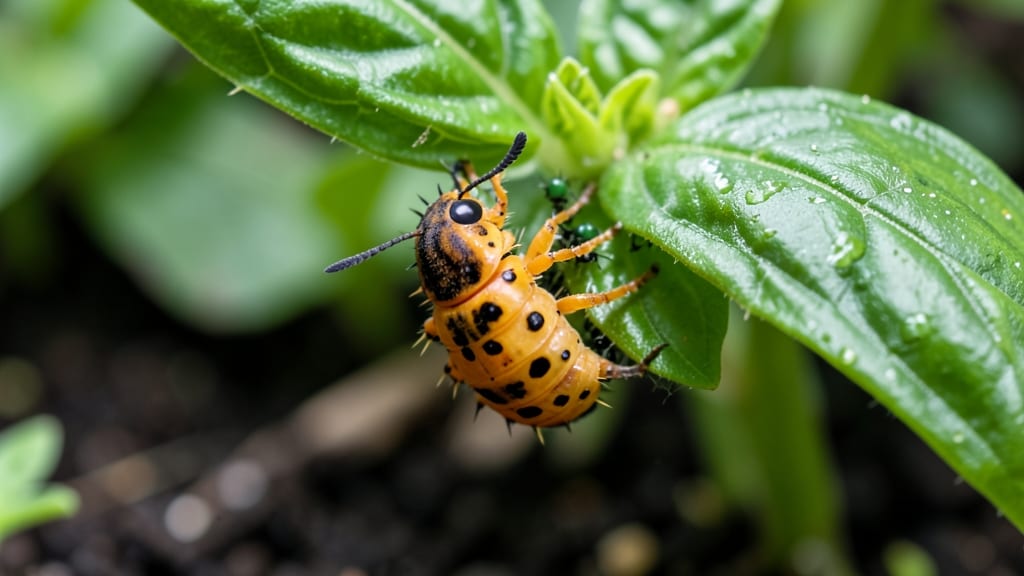
How to get rid of aphids on basil—turn your sticky, curled messes into healthy leaves in hours with this neem oil trick. No harsh chemicals, just fast results. I’ve battled these pests for years, and this mix stops them dead while keeping your basil safe to harvest within days.
The secret isn’t just the spray—it’s timing and technique. Apply when aphids are active (early morning or late afternoon), and spray under leaves where they hide.
Most people miss this step, letting the infestation creep back. A simple soapy water rinse beforehand clears the worst of them so neem oil works faster.
By tomorrow, you’ll see fewer aphids, and in 48 hours, your basil will bounce back—lush, fragrant, and ready for pesto. The key is consistency: repeat every 3-5 days until no new pests appear.
Your plants will stay aphid-free for weeks if you keep them healthy with proper watering and sunlight.
Works for indoor pots, balcony gardens, or full sunbeds—just adjust the spray volume. No more wilted, sticky leaves ruining your harvest. Let’s get your basil back to its best in no time.
Root Causes of Basil Aphids
Aphids on basil aren’t just random pests—they’re drawn to your plants for specific reasons. Understanding these triggers is the first step to stopping them before they take over. Below, we break down the biological, environmental, and plant-related factors that make your basil a buffet for these tiny sap-suckers.
Aphids have a knack for targeting plants that are already struggling. When basil is weak, it can’t defend itself effectively, making it an easy meal for these pests.
- Nutrient Deficiencies: Basil thrives on nitrogen, phosphorus, and potassium. If your soil lacks these, your plants become less resilient.
Aphids detect weakened plants through volatile organic compounds (VOCs)—chemical signals that scream, "I’m an easy snack!" - Overcrowding: When basil plants are too close together, airflow is restricted, leading to humidity buildup and fungal diseases (like powdery mildew).
Aphids love damp, crowded conditions because they provide protection from predators (like ladybugs) and easier access to sap. - Root Stress: Compacted or waterlogged soil cuts off oxygen to roots, starving the plant.
Stressed roots can’t support healthy growth, weakening the entire plant and making it more appealing to aphids.
💡 Pro Tip: Rotate crops annually and avoid planting basil in the same spot to prevent soil-borne stress.
Aphids aren’t picky—they’ll infest any plant, but they prefer specific environmental conditions that make your basil garden a five-star resort.
- Warm, Humid Climates: Aphids thrive in temperatures between 50°F and 80°F (10°C–27°C).
If your basil is growing in a greenhouse, conservatory, or shaded patio, you’ve created the perfect aphid paradise. - Soft, New Growth: Aphids adore tender, young leaves because they’re packed with high-sugar sap (their favorite meal).
If your basil is actively growing, it’s like a neon sign for these pests. - Lack of Natural Predators: In a balanced ecosystem, aphids are kept in check by ladybugs, lacewings, and parasitic wasps. But if your garden lacks biodiversity (or you’ve used broad-spectrum pesticides), aphids multiply unchecked.
✨ Quick Fix: Introduce beneficial nematodes or aphid-eating insects to restore balance naturally.
Aphids don’t just land on plants randomly—they’re drawn by chemical cues and physical traits that make basil irresistible.
- Sugar-Rich Sap: Basil leaves contain high levels of soluble sugars, which aphids detect using their long, sensory antennae.
It’s like a sweet scent that leads them straight to your plants. - Sticky Honeydew: Once aphids start feeding, they excrete honeydew—a sugary waste product that attracts ant colonies.
Ants "farm" aphids for this honeydew, creating a mutually beneficial relationship that protects the aphids from predators. - Pheromone Trails: Aphids release alarm pheromones when threatened, but they also use aggregation pheromones to signal other aphids when they’ve found a good food source. One aphid on your basil?
Soon, it’s an infestation.
🔥 Warning: If you see ants crawling on your basil, they’re likely herding aphids—break this cycle fast!
Sometimes, well-meaning gardening habits accidentally encourage aphids. Here’s how:
- Over-Fertilizing with Nitrogen: Too much nitrogen = soft, lush growth = aphid heaven. While basil needs nitrogen, synthetic fertilizers can create an imbalance, making plants more vulnerable. - Ignoring Weeds: Weeds like dandelions and clover often host aphids before they move to your basil.
These "aphid hotspots" act as breeding grounds that spill over into your garden. - Poor Watering Practices: Underwatering stresses plants, while overwatering creates damp conditions aphids love. Aim for consistent moisture—not soggy soil, not drought.
🎯 Prevention Tip: Use compost or organic matter for slow-release nutrients instead of quick-fix synthetic fertilizers.
Not all basil varieties are equally appealing to aphids. Some plants are naturally more resistant due to their genetics or leaf structure.
- Genetic Vulnerability: Some basil cultivars (like Genovese) are more prone to aphids because their thin leaves offer easy access to sap.
Others, like Sweet Basil, may be more resilient. - Succession Planting Risks: If you replant basil in the same spot year after year, aphids (and their eggs) can overwinter in the soil, leading to recurring infestations.
🌡️ Smart Swap: Try Thai Basil or Purple Basil—their stronger scent and tougher leaves can deter aphids naturally.
Aphids don’t choose basil out of spite—they’re simply following the science of survival. By addressing plant health, environmental conditions, and biological cues, you can make your garden less appealing to these pests.
The good news? Once you know their weaknesses, neem oil and other natural remedies become even more effective.
(Next up: How to Break the Aphid Cycle Fast—without harsh chemicals!)
Quick Fixes for Basil Aphids
Now that you know why aphids invade your basil, let’s tackle the problem head-on with fast, effective, and natural solutions—no harsh chemicals required! Below, we’ve mapped common causes to the best fixes, plus prevention tips to keep your basil thriving.
Aphids love weak, crowded basil because it’s easier to feed on. Thin out overgrown plants and give them space to breathe.
How to Fix It:
- 🔪 Trim infected leaves (especially the soft new growth where aphids cluster).
- 🌱 Space plants 8–12 inches apart to improve airflow.
- 💡 Pro Tip: Remove heavily infested leaves and drop them in soapy water (not compost!) to kill aphids.
If aphids are swarming, physical removal is your first line of defense—no waiting needed!
How to Fix It:
- 👨🍳 Spray with water (a strong stream from the hose dislodges them instantly).
- 🕷️ Use a damp cloth or sponge to wipe them off leaves.
- ⏰ Repeat every 2–3 days until they’re gone.
Stressed plants attract aphids. Revitalize your basil with proper care to make it less appealing.
How to Fix It:
- 💧 Water deeply at the base (avoid wetting leaves to prevent fungal issues).
- 🌿 Mulch around plants to retain moisture and cool roots.
- 🎯 Move pots to partial shade if growing in extreme heat.
For stubborn infestations, neem oil or insecticidal soap works wonders—safe for plants and pets!
How to Fix It:
- 🍯 Mix 1 tsp neem oil + 1 tsp mild soap in 1 quart water, spray directly on aphids (avoid blooms).
- 🌿 Reapply every 5–7 days until aphids disappear.
- ✨ Bonus: Add a few drops of garlic or peppermint oil for extra pest-repelling power.
Ants farm aphids for honeydew—disrupt their relationship to starve out the pests.
How to Fix It:
- 🐜 Set out sticky traps or diatomaceous earth near ant trails.
- 🍯 Apply cinnamon or vinegar barriers around plant bases (ants hate these scents!).
Once you’ve banished aphids, lock them out with these easy habits:
- 🌱 Plant basil in well-draining soil (aphids love soggy roots).
- 🌿 Introduce companion plants like marigolds or chives (they repel pests).
- 🔍 Inspect new plants before bringing them home (quarantine if needed).
- 🍃 Harvest regularly to encourage strong, healthy growth.
Remember: Consistency is key! Check your basil daily for early signs of aphids, and act fast—a few minutes of effort now saves hours of cleanup later. 🌿✨
Frequently asked questions
How often should I apply neem oil to kill aphids on basil?
Apply neem oil spray every 5-7 days until you see no new aphids. For severe infestations, use it twice weekly for 2 weeks, then switch to preventive maintenance every 10-14 days. Always spray in the early morning or late afternoon when aphids are most active.
Can I still harvest basil leaves after treating aphids with neem oil?
Yes, but wait 24-48 hours after application to let the oil dry completely. Avoid harvesting leaves that were directly sprayed, as they may taste slightly bitter. For maximum safety, use organic neem oil and harvest only the outer leaves that weren't treated.
Why do aphids keep coming back even after I've treated them?
This usually happens because you're missing hidden aphids on leaf undersides or stems, or ants are protecting them. Try these fixes: 1) Spray neem oil on both sides of leaves and 2) Set ant barriers with cinnamon or vinegar around plant bases. Also check nearby weeds that may be harboring aphids.
What's the best way to prevent aphids from returning to my basil?
Focus on plant health and ecosystem balance: 1) Space plants properly for airflow, 2) Introduce beneficial insects like ladybugs, 3) Use companion plants (marigolds or chives), and 4) Keep soil healthy with compost. Regularly inspect new growth where aphids first appear.
Is it safe to use dish soap to kill aphids on edible basil?
Yes, but only use mild, fragrance-free dish soap (like Castile soap) mixed with water (1 tsp per quart). Rinse leaves thoroughly after 1-2 hours to remove residue. Avoid using it more than once every 2 weeks, as soap can dry out leaves over time.