
Pests
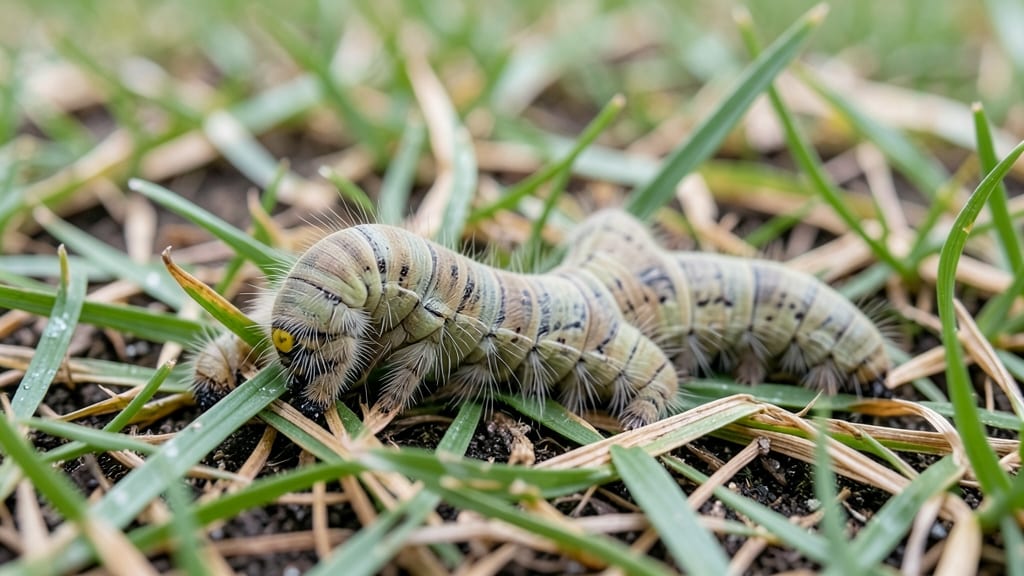
How to get rid of army worms in your yard—fast—before they turn your lush green lawn into a skeletonized mess overnight. 🌱 Army worms strike quickly, and if you spot chewed grass blades or brown patches that look like a golf course, you're dealing with these striped caterpillars. The good news? You can eliminate them fast—without harsh chemicals—using simple, organic traps that work within days.
These pests thrive in warm weather, hiding under grass blades during the day and emerging at night to devour roots and stems. Most people panic and reach for pesticides, but that’s overkill.
Instead, focus on fast-acting traps like soapy water buckets, beer traps, or even a simple flashlight hunt after dark. The key is acting before they skeletonize your lawn completely.
Within 24-48 hours, you’ll see a dramatic difference if you follow the right method. Your grass will stop looking like it’s been mowed by a lawnmower with a bad temper, and you’ll avoid the need for chemical treatments that harm beneficial insects.
The best part? These solutions work for both small patches and large yards.
Once you’ve eliminated the current infestation, prevention is easy: keep your lawn healthy with proper watering, mowing, and occasional nematode treatments. Army worms won’t stand a chance against thick, vigorous grass. Let’s get your lawn back to its full glory—fast.
The Hidden Triggers Behind Army Worms
Army worms may seem like a sudden, chaotic invasion, but their arrival is rarely random. These voracious caterpillars—larvae of the fall armyworm (Spodoptera frugiperda)—thrive when specific conditions align.
Understanding why they show up in your yard is the first step to stopping them before they strip your lawn bare. Below, we break down the science-backed reasons these pests target your grass, plants, and gardens.
Army worms are drawn to lush, tender grass—especially when it’s stressed or overgrown. Here’s why:
- Nutrient-rich food source: Healthy, rapidly growing grass is packed with proteins and sugars that army worms crave. Think of it like a buffet for caterpillars.
- Thatch buildup: A thick layer of thatch (dead grass and roots) creates a perfect hiding spot for egg-laying moths. The warmth and moisture trap eggs, accelerating hatching.
- Drought or disease stress: When grass is weakened by drought, fungal infections (like brown patch), or poor soil, it becomes easier for army worms to devour. Weakened blades can’t recover fast enough.
Actionable insight: Mow your lawn regularly (but not too short—keep it at 2.5–3.5 inches) to disrupt egg-laying sites and reduce hiding spots. Aerate compacted soil to improve grass resilience.
Army worms are weather-dependent. They don’t just appear—they wait for the perfect storm (literally). Key triggers include:
| Factor | Why It Matters |
|---|---|
| 🌡️ Warm nights (70°F+) | Army worms hatch and feed most actively when nighttime temps stay above 70°F. Cooler nights slow them down. |
| ☔ Recent rain or high humidity | Moisture softens grass, making it easier for worms to burrow and eat. Rain also washes eggs into the soil, where they hatch faster. |
| ☀️ Sudden heatwaves | Heat stress can kill off natural predators (like birds and parasitic wasps), leaving army worms unchecked. |
Actionable insight: Monitor your local weather forecasts during peak army worm season (spring to fall). If warm, humid nights are predicted, inspect your lawn for early signs (chewed patches, frass—worm poop—or tiny holes in leaves).
Army worms don’t just appear—they’re deliberately delivered by their moth parents. Here’s how:
- Nighttime fliers: Adult fall armyworm moths are powerful fliers that can travel up to 50 miles in a night. They’re drawn to bright lights (like porch lights) and CO₂ emissions (from cars or breathing plants), which mimic fertile laying sites.
- Targeting young, fresh growth: Moths use their sense of smell to locate grass that’s recovering from damage (e.g., after mowing or drought). Fresh growth is more nutritious for their larvae.
- Mass egg-laying: A single female can lay 1,000–2,000 eggs in batches of 100–200. She prefers to deposit them on lower grass blades or thatch, where warmth and moisture protect them.
Actionable insight:
- 💡 Reduce outdoor lighting at night to deter moths. Use yellow or red bug lights instead of white LEDs.
- 🌿 Avoid mowing before dusk—freshly cut grass attracts moths. If you must mow in the evening, bag the clippings to remove potential egg sites.
- 🕵️ Check for egg masses (tiny clusters of greenish or white ovals) on grass blades after warm, humid nights.
Army worms face a short list of natural enemies, and when these predators decline, the worms explode in numbers. Common predators include:
- Birds (e.g., robins, grackles, starlings) – They love to snack on army worms but may avoid treated lawns.
- Parasitic wasps (e.g., Cotesia marginiventris) – These wasps lay eggs inside army worm larvae, killing them from within.
- Ground beetles and spiders – They hunt army worms but struggle in chemical-treated lawns.
Why predators fail:
- 🔥 Pesticide use: Broad-spectrum insecticides kill beneficial insects faster than army worms, creating a vacuum effect where pests thrive.
- 🏡 Urban/suburban landscapes: Fewer hedgerows, wildflowers, or untreated areas limit predator habitats.
- 🌡️ Extreme weather: Freezes or droughts can decimate predator populations before army worms arrive.
Actionable insight: Foster a predator-friendly yard by:
- ✨ Avoiding synthetic pesticides—opt for organic controls like neem oil or Bacillus thuringiensis (Bt).
- 🌼 Planting native wildflowers (e.g., milkweed, clover) to attract beneficial insects.
- 💧 Leaving some "wild" areas (like leaf litter or untreated grass patches) for predators to thrive.
Army worms don’t choose your yard by accident—they’re responding to environmental cues you can influence. By addressing grass health, weather patterns, moth behavior, and predator support, you can disrupt their life cycle before they become a full-blown infestation.
Stay proactive, and your lawn will stay one step ahead of these hungry invaders.
How to Fix Army Worm Damage
Army worms may seem like a formidable foe, but with the right approach, you can reclaim your yard and prevent future invasions. Below are targeted solutions based on the root causes of infestations—from manual removal to organic repellents and long-term prevention.
Each method is designed to be effective, eco-friendly, and easy to implement, even for beginners.
If you’ve spotted small patches of army worms, physical removal is the fastest way to stop the spread.
🍳 Step 1: Scout and Locate
- When? Early morning or late evening (worms are sluggish and easier to spot).
- Where? Check grass blades, leaf litter, and under mulch.
Look for brown patches or chewed grass—a sure sign of feeding activity. - Tool: Grab a flashlight, gloves, and a bucket of soapy water (1 tbsp dish soap per gallon).
👨🍳 Step 2: Handpick or Shake Them Out
- For small areas: Use tongs or gloved hands to pluck worms off blades of grass.
- For larger areas: Walk through the yard and shake grass clumps over a bucket.
The worms will drop into the soapy water (they’ll drown instantly). - Pro Tip: 💡 Time it right—after rain, worms crawl upward to feed, making them easier to spot.
🥘 Step 3: Dispose Properly
- Never compost them (they’ll survive and reinfest).
- Drown in soapy water or bury deep in the soil (at least 10 inches down) where they can’t escape.
Army worms are attracted to moist, tender grass and specific scents. Use these non-toxic traps to lure and eliminate them.
🍎 Trap with Cornmeal or Flour
- How? Sprinkle fine cornmeal or flour over infested areas.
- Why? Army worms cannot digest these starches—they’ll eat it, bloat, and die within 24–48 hours.
- Bonus: Also works for cutworms and sod webworms.
🌡️ DIY Beer Trap (For Lawns)
- How? Bury a shallow container (like a tin can) in the soil, fill it with beer, and leave overnight.
- Why? Army worms are drawn to fermented scents and will drown in the liquid.
- Pro Tip: ✨ Place traps near brown patches for maximum effectiveness.
🎯 Diatomaceous Earth (DE) Barrier
- How? Lightly dust food-grade DE around the perimeter of your yard and on infested grass.
- Why? DE dehydrates worms by damaging their exoskeletons (safe for pets once settled).
- Caution: Reapply after rain—it loses potency when wet.
Encourage beneficial insects and animals that prey on army worms to reduce populations long-term.
🐦 Attract Birds
- How? Install birdhouses, feeders, or shallow water dishes.
- Best Birds: Robins, starlings, and grackles love eating army worms.
- Pro Tip: 💡 Plant native shrubs (like berry bushes) to attract more birds.
🐸 Encourage Toads and Frogs
- How? Create a small pond or shallow water feature in your yard.
- Why? Toads devour army worms—one toad can eat thousands per season!
🕷️ Promote Ground Beetles and Spiders
- How? Avoid broad-spectrum pesticides (they kill predators too).
- Why? These insects hunt army worms naturally.
The best defense is a healthy yard that army worms avoid. Implement these proactive strategies:
🌿 Maintain a Healthy Lawn
- Mow high (3–4 inches) to reduce egg-laying sites.
- Aerate soil in spring/fall to improve drainage (worms hate soggy conditions).
- Overseed thin patches with tall fescue or ryegrass (army worms prefer weak grass).
🌞 Use Army Worm-Resistant Grass
Some grasses are less appealing to army worms:
- Buffalo grass
- Zoysia grass
- Tall fescue
🚫 Remove Egg Masses Early
- When? Check grass blades weekly in spring/summer for white, cottony egg sacs.
- How? Scrape them off with a knife or drown in soapy water.
🌍 Rotate Organic Repellents
- Neem oil spray (disrupts feeding and egg-laying).
- Garlic or chili pepper spray (mix 1 tbsp each with 1 quart water + soap; spray at dusk).
- Duckweed or millet (plant as a trap crop to divert worms away from lawns).
If your yard is heavily infested (large brown patches, worms everywhere), consider:
- Hiring a local pest control service with organic army worm treatments.
- Contacting your county extension office for free inspections and localized advice.
Final Reminder: 🌟 Act fast—army worms multiply exponentially. Combine manual removal, traps, and prevention for the best results. With consistency, you’ll eliminate infestations and keep your yard worm-free for good!
Frequently asked questions
How do I know if I have army worms and not just regular grass damage?
Look for distinctive signs: army worms leave behind chewed grass blades with white frass (worm poop) and create brown patches that look like they’ve been mowed in strips. Unlike regular grass damage, you’ll often find striped caterpillars (about 1-2 inches long) hiding under blades when you lift them. Check at dawn or dusk when they’re most active.
Will beer traps really work for army worms?
Yes! Army worms are drawn to fermented scents—bury a shallow container filled with beer in infested areas overnight. The worms will crawl in and drown. For best results, place traps near brown patches and refresh the beer every 24 hours. This method is 100% organic and works within 3-5 days of consistent use, though you’ll need multiple traps for large yards.
Is diatomaceous earth safe for pets if I have army worms?
Food-grade diatomaceous earth (DE) is safe for pets once settled—just avoid direct contact. Sprinkle it lightly on infested grass and water lightly to help it stick. Pets should avoid the area until the DE has absorbed moisture (usually 1-2 hours24 hours as a precaution.
How often should I check my lawn for army worms?
During peak season (spring to fall), inspect your lawn weekly—especially after warm, humid nights or rain. Focus on areas with recent mowing or thin grass, as these attract egg-laying moths. Early detection is key: a single female moth can lay 1,000+ eggs, so catching them before they hatch prevents full-blown infestations.
Can I use neem oil on army worms, and how soon will it work?
Neem oil is effective against army worms—it disrupts their feeding and egg-laying. Mix 2 tbsp neem oil with 1 quart water and 1 tsp soap, then spray infested areas at dusk. Results appear in 3-5 days, but you’ll need 2-3 applications spaced 5-7 days apart for full control. It’s organic and safe for pets once dry, but avoid spraying when pets are nearby.