
How To
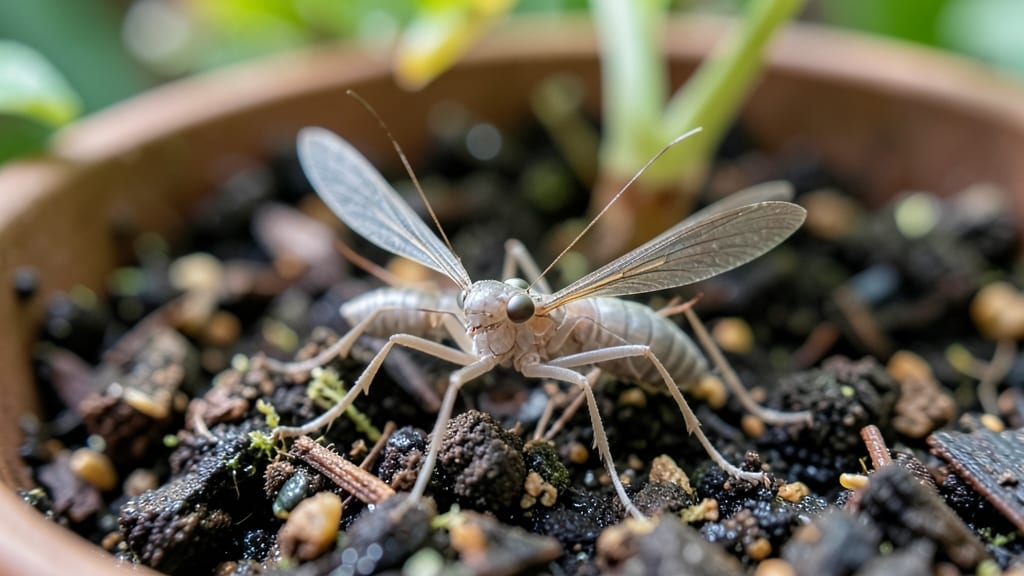
Fungus gnats outside? Here’s how to get rid of them in your garden soil before they turn it into a breeding ground. 🌱 I’ve seen them ruin seedlings in just days, and the key to stopping them starts with a simple heat trick that smothers their eggs before they hatch.
The problem isn’t just the gnats themselves—it’s the soggy, overwatered soil they love. These tiny black flies thrive in moist conditions, and once they’re in your garden, they’re nearly impossible to eradicate without changing how you water.
The heat barrier method works by creating a dry layer that blocks their access to the soil, cutting off their food and breeding source.
You’ll need black plastic sheeting or thick cardboard, a few rocks, and about 30 minutes to set it up. Lay the barrier over the infested area, weigh it down, and let the sun do the rest.
Within a week, you’ll see fewer gnats, healthier plants, and soil that stays dry enough to deter them long-term.
This works for vegetable beds, flower gardens, and even lawn edges where gnats gather. The best part? It’s a one-time fix that keeps coming back—no chemicals, no fuss, just a dry barrier that keeps your soil safe.
Root Causes Of Outdoor Fungus Gnats
Fungus gnats—those tiny, pesky flies—don’t just pop up randomly outside. Their presence is usually a sign of specific environmental conditions working in their favor. Understanding why they thrive outdoors helps you target the real problem and stop them before they become a full-blown infestation.
Let’s break down the science behind their outdoor takeover.
Fungus gnats are drawn to damp, organic-rich soil because their larvae feed on decaying plant matter and fungal growth. Here’s why moisture is their favorite breeding ground:
- Waterlogged soil creates the perfect anaerobic (low-oxygen) environment where fungal spores and decomposing organic material thrive—both key food sources for fungus gnat larvae.
- Poor drainage in garden beds, potted plants, or mulched areas traps excess moisture, signaling to adult gnats that it’s a prime spot to lay eggs.
- Frequent watering (especially overhead irrigation) keeps the top layer of soil perpetually damp, giving larvae an uninterrupted buffet of microbial life.
Actionable insight: If your garden or yard has areas that stay soggy after rain or watering, fungus gnats will see it as an all-you-can-eat buffet. 🌱💦
Fungus gnats love decomposing plant material because it’s a smorgasbord for their larvae. Common culprits include:
- Leaf litter that hasn’t been cleared, especially in shaded or damp areas where decomposition slows but doesn’t stop.
- Compost piles that are too wet or not turned regularly, creating a hotspot for fungal growth and gnat activity.
- Dead plant debris (like fallen leaves, twigs, or rotting roots) left in garden beds or mulch, which acts as a larval nursery.
Fun fact: A single compost pile with ideal moisture and heat can become a gnat breeding factory, releasing hundreds of adults to harass your outdoor space. ♻️🐜
Fungus gnats aren’t just named after fungi—they depend on it. Their larvae feed on fungal hyphae (thread-like structures) and spores, which flourish in:
- Over-mulched areas where mulch blocks sunlight, keeps soil cool, and promotes fungal dominance over beneficial bacteria.
- Shaded or poorly ventilated spots in the garden, where fungal growth outcompetes other microbes.
- Soil with high organic content (like peat moss or untreated wood chips) that hasn’t been balanced with compost or sand to improve aeration.
Pro tip: If you’ve noticed white, cottony fungal growth on soil surfaces or plant roots, fungus gnats are likely already feasting there. 🍄🚫
Fungus gnats are cold-sensitive and thrive in specific temperature and humidity ranges:
- Temperatures between 60–80°F (15–27°C) accelerate their life cycle, allowing eggs to hatch in just 3–5 days.
- High humidity (70%+) keeps soil moist longer, extending the larval feeding window and increasing adult survival rates.
- Protected areas like under decking, patio umbrellas, or dense shrubbery create microclimates where conditions stay ideal year-round.
Science alert: These flies are often more active in spring and fall when soil warms up but isn’t yet scorching—perfect for rapid reproduction. ☀️🌧️
Potted plants and garden containers are magnetically attractive to fungus gnats because:
- Saucer plates under pots trap excess water, creating a permanent damp zone at the soil surface.
- Compacted or heavy soils (like pure clay or peat) don’t allow water to drain quickly, leaving the root zone perpetually soggy.
- Overwatering habits (e.g., watering every day without checking moisture levels) turn containers into larval incubators.
Warning sign: If you see gnats hovering near potted plants, check the soil—if the top inch is damp, you’ve got a gnat nursery on your hands. 🏺💦
Fungus gnats don’t just appear—they’re responding to specific conditions you can control. By addressing moisture, organic debris, fungal growth, and microclimates, you’ll cut off their food and breeding sources faster than you can say “heat barrier trick.” 🔥🌿
Quick Fixes for Outdoor Fungus Gnat Havoc
Fungus gnats outside aren’t just a nuisance—they can wreak havoc on your garden, lawn, and outdoor plants. But don’t worry! With the right approach, you can smother their life cycle and reclaim your outdoor space.
Below, we’ve mapped out targeted solutions based on the root causes (like overwatering, decaying organic matter, or poor drainage) and paired them with prevention tips to keep gnats from staging a comeback.
Fungus gnats thrive in soggy soil where their larvae can feast on decomposing organic matter. If your garden or lawn feels perpetually damp, fix the moisture first.
✅ How to Fix It:
- 🔥 Reduce Watering Immediately – Let the top 1–2 inches of soil dry out between waterings. Use a moisture meter if needed.
- 👨🍳 Improve Drainage – Amend heavy clay soil with coarse sand, perlite, or compost to help water drain faster.
- 🥘 Create a Heat Barrier – Spread a thin layer of black plastic or landscape fabric over moist areas (like mulch piles or shaded spots) to bake out larvae in direct sunlight. Remove after 2–3 days to prevent overheating plants.
- ⏰ Water in the Morning – Avoid evening watering to let soil dry faster overnight.
💡 Prevention Tip: Install French drains or swales in low-lying areas to redirect excess water away from plant roots.
Piles of wet mulch, fallen leaves, or rotting wood create the perfect fungus gnat nursery. If you spot gnats swarming near these spots, clean up aggressively.
✅ How to Fix It:
- 🔪 Rake Up Organic Debris – Remove all leaf litter, grass clippings, and old mulch from garden beds. Compost it far from your plants (gnats will follow!).
- 🥘 Replace with Dry Mulch – Use cedar chips, pine straw, or gravel (which gnats avoid) instead of thick organic mulch.
- 🌡️ Solarize the Area – If gnats persist, cover the soil with clear plastic for 4–6 weeks in hot sun. The trapped heat will kill larvae and eggs (great for spring/summer).
- 🎯 Add Beneficial Nematodes – Sprinkle Steinernema feltiae nematodes (sold at garden centers) into moist soil—they hunt and devour gnat larvae naturally.
💡 Prevention Tip: Keep mulch no thicker than 2–3 inches and stay on top of yard waste—gnats can emerge from even small piles.
Potted plants, hanging baskets, and raised beds are gnat magnets if water pools at the bottom. If you’re seeing gnats in containers, redesign the setup.
✅ How to Fix It:
- 🍳 Add Drainage Holes & Trays – Ensure pots have multiple drainage holes and sit in saucers with pebbles (not water).
- 👨🍳 Use a "Gnat-Proof" Soil Mix – Replace regular potting soil with a fast-draining blend (50% peat/coir + 30% perlite + 20% sand).
- 🥘 Top-Dress with Sand or Kinetic Sand – A ¼-inch layer of coarse sand on top of soil blocks egg-laying and dries faster.
- 🔥 Move Pots to Sun – Gnats avoid hot, dry conditions. Place containers in full sun to discourage larvae.
💡 Prevention Tip: Repot plants every 6–12 months—old, compacted soil holds moisture longer, inviting gnats.
Gnats love dark, damp corners under decks, patios, or dense foliage. If your outdoor space has persistent shade or high humidity, disrupt their habitat.
✅ How to Fix It:
- 🌡️ Increase Airflow – Trim back overgrown plants and space them out to allow sunlight and breeze.
- 🔥 Install a Small Fan – A battery-operated USB fan on a patio or deck disrupts gnat flight patterns and dries moisture.
- 🍳 Use Reflective Mulch – Silver or gold landscape fabric under plants repels gnats with light reflection.
- ⏰ Prune for Sunlight – Thin out hostas, ferns, or ivy that block light—gnats thrive in these shaded microclimates.
💡 Prevention Tip: Plant gnat-repelling herbs like basil, mint, or lavender near problem areas—their strong scents deter adults.
If gnats are still overwhelming your space, deploy non-toxic traps and sprays for immediate relief.
✅ How to Fix It:
- 🍎 Apple Cider Vinegar Trap – Fill a shallow dish with ACV + a drop of dish soap. Gnats are drawn in and drowned (place near entry points).
- 🌿 Yellow Sticky Traps – Hang yellow cards coated in petroleum jelly to catch adult gnats before they lay eggs.
- 🌡️ Neem Oil Spray – Mix 1 tsp neem oil + 1 tsp soap per quart of water, spray early morning (avoids harming bees).
- 🎯 Diatomaceous Earth (DE) – Lightly dust food-grade DE around plant bases—it dehydrates larvae without chemicals.
⚠️ Warning: Avoid overusing pesticides—they can harm beneficial insects and contaminate soil.
Once you’ve killed the gnats, keep them away with these proactive steps: ✔ Water deeply but less often – Let soil dry between waterings. ✔ Inspect containers weekly – Remove any standing water or decaying matter. ✔ Aerate compacted soil – Use a garden fork to break up thatch in lawns. ✔ Rotate crops outdoors – Avoid planting the same gnat-loving plants (like tomatoes or peppers) in the same spot yearly. ✔ Encourage predators – Attract ground beetles, spiders, and birds with diverse plantings.
Final Thought: Fungus gnats outside are easy to outsmart—the key is drying out their breeding grounds and disrupting their life cycle early. Start with one or two fixes from above, then layer in prevention to keep your outdoor space gnat-free for good! 🚀
Frequently asked questions
Why do fungus gnats appear suddenly in my outdoor garden?
They appear suddenly because fungus gnats thrive in wet, organic-rich soil with poor drainage. Heavy rain, overwatering, or decomposing plant matter creates their perfect breeding ground. Once conditions are right, their life cycle accelerates—eggs hatch in just 3-5 days under ideal warmth and moisture.
Can I use the heat barrier trick on potted plants?
Yes, but modify it for containers! Instead of plastic, use a ¼-inch layer of coarse sand on top of potting soil—this blocks egg-laying and dries faster. For larger pots, cover with landscape fabric (secured with rocks) for 2-3 days in full sun. Just avoid overheating delicate plants.
Will beneficial nematodes work in my lawn?
Steinernema feltiae nematodes hunt fungus gnat larvae naturally in lawns. Apply them to moist soil in early morning or evening (they avoid direct sunlight). For best results, water lightly after application to help them move through the thatch. Repeat every 4-6 weeks during gnat season.
How long does it take to see results with the heat barrier?
You’ll typically see a 50-70% reduction in gnats within 5-7 days, but full eradication takes 2-3 weeks as it kills existing larvae. For stubborn infestations, repeat the process after 10 days. The key is maintaining dry soil afterward—gnats return if moisture returns.
Are there plants that naturally repel fungus gnats?
Yes! Plant basil, mint, lavender, or marigolds near problem areas—their strong scents deter adult gnats. You can also try chives or garlic as companion plants. For containers, add a few sprigs of fresh herbs to pots to create a natural barrier.