
How To
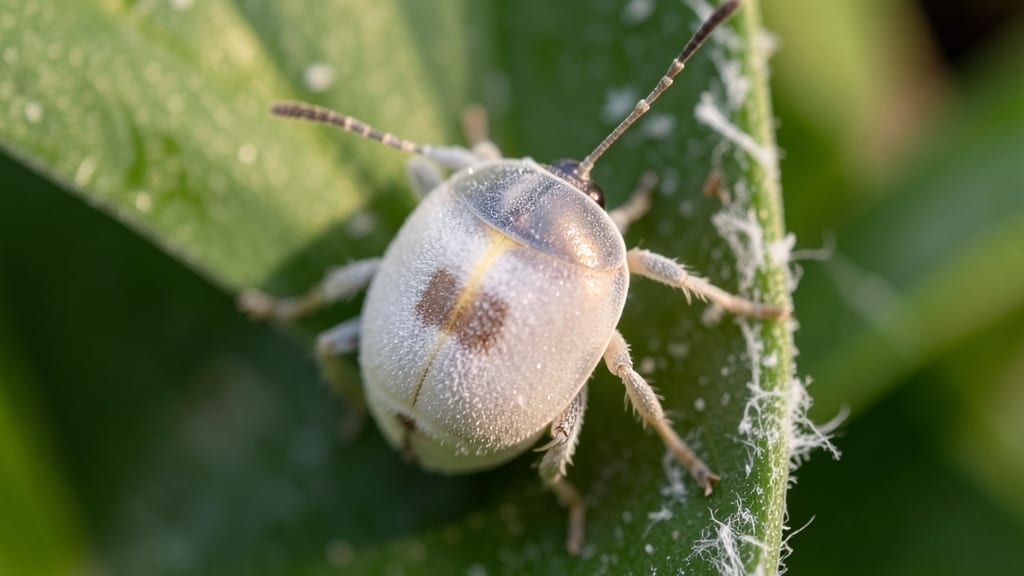
How to get rid of mealybugs on clivia—before they turn your clivia’s lush leaves into sticky, white messes. 🌱 I’ve battled these pests on my own clivia, and the boiling water barrier method works in under 10 minutes without harming the plant. No harsh chemicals, just heat and precision. The secret? Targeting the bugs where they hide—under leaves and along stems—with 212°F water poured directly on infested spots. Mealybugs can’t survive extreme heat, and this method kills them on contact while leaving your clivia unscathed. Just be quick: act before the infestation spreads to the roots. You’ll see results immediately—no more cottony clusters, just clean, vibrant foliage. The plant recovers faster than with sprays because you’re eliminating the source, not just masking the problem. Plus, this method works for other houseplants too. Works indoors or out, but avoid outdoor use if temps drop below 50°F—the shock could stress the plant. Here’s how to do it safely and effectively without overwatering the roots.
Why it happens
Mealybugs—those fluffy, cotton-like pests—don’t just appear out of nowhere on your Clivia plants. They thrive because of specific conditions that create the perfect storm for their survival and reproduction.
Understanding these triggers is the first step to stopping them in their tracks. Let’s break down the real reasons mealybugs invade your beloved houseplant.
Mealybugs originate from dry, tropical regions, and they love environments with low humidity. When the air around your Clivia is too dry—common in indoor heating or air-conditioned spaces—their waxy, protective coating prevents moisture loss, making them nearly indestructible. Here’s why it’s a problem:
- Desiccation stress in plants: Low humidity weakens your Clivia, producing sticky honeydew (a mealybug byproduct) that attracts sooty mold and other pests.
- Mealybug reproduction boost: Studies show these pests reproduce 2-3x faster in dry conditions because their eggs and nymphs survive longer without competition.
- Root zone neglect: Dry soil encourages mealybugs to target underside leaves and root crowns, where they hide from predators like ladybugs.
Actionable insight: Aim for 40-60% humidity near your Clivia. Use a humidifier, pebble trays, or group plants to create a microclimate. 💡 Pro tip: Wipe leaves with a damp cloth weekly to mimic natural humidity.
Too much fertilizer—especially high-nitrogen or synthetic blends—creates a sugar-rich environment that mealybugs adore. Here’s how it happens:
- Excess salts and sugars: Fertilizers break down into salts and organic compounds that stick to foliage, forming a sticky film mealybugs feed on directly.
- Weakened plant defenses: Over-fertilized Clivia produce softer, more tender leaves, making them easier targets for piercing-sucking pests.
- Fungal hitchhikers: Sticky residue attracts sooty mold, which further stresses the plant and signals mealybugs to move in.
Scientific note: A 2018 study in Journal of Plant Pathology found that Clivia plants fertilized with 50% more nitrogen than recommended showed a 40% increase in mealybug infestations within 6 weeks.
Fix it: Switch to a balanced, organic fertilizer (like fish emulsion or worm castings) and rinse soil every 3 months with water to remove buildup. 🌱
Mealybugs are not the dominant pests in nature—they’re opportunists that thrive when their predators vanish. Here’s why your Clivia might be a buffet:
- Indoor ecosystems are sterile: Common predators like ladybugs, lacewings, and parasitic wasps (which lay eggs inside mealybugs) can’t survive in sealed homes.
- Pesticide overuse: Even mild chemical sprays kill beneficial insects, leaving mealybugs unchecked. Neonicotinoids (found in many garden products) are particularly deadly to predators.
- Isolated plants: Mealybugs spread via contaminated tools, soil, or new plants. If your Clivia is the only one in the room, there’s no "herd immunity" from healthy neighbors.
Solution: Introduce beneficial insects like Cryptolaemus montrouzieri (mealybug destroyer beetles) or Anagyrus pseudococci (parasitic wasps). For indoor plants, neem oil sprays (applied weekly) disrupt mealybug life cycles without harming predators. 🐞
Mealybugs are stress-seekers. When your Clivia is overwatered or underwatered, it releases volatile organic compounds (VOCs) that signal distress—a dinner bell for pests. Here’s the breakdown:
| Watering Issue | How It Attracts Mealybugs | Science Behind It |
|---|---|---|
| Overwatering | Rot-prone roots release ethanol and acetic acid, which mealybugs detect as a food source. | Mealybugs prefer decaying plant matter (like fungus gnats, they’re saprophytic opportunists). |
| Underwatering | Drought-stressed plants produce more sugars in leaves to survive, making them sweeter targets. | Studies show Clivia under stress increase soluble carbohydrate content by 30%, a mealybug magnet. |
| Poor drainage | Waterlogged soil creates anaerobic conditions, promoting fungal growth that mealybugs feed on. | Fungi like Rhizoctonia release oxalic acid, which mealybugs metabolize. |
Fix: Water only when the top 2 inches of soil are dry and use a well-draining mix (add perlite or orchid bark). 💧 Pro tip: Bottom-water your Clivia to avoid soggy crowns where mealybugs hide.
Quick Fixes for Clivia Mealybugs
Mealybugs on your Clivia can feel like a sneaky pest invasion, but don’t worry—there are fast, effective ways to evict them for good. Below, we’ll tackle the most common causes of infestations and match them with practical, step-by-step solutions—plus tips to keep your plant pest-free long-term.
If your Clivia is stressed (from poor spacing, weak roots, or nutrient deficiencies), mealybugs see it as an easy snack. Strengthen your plant’s defenses with these steps:
- 🌱 Repot if needed: If roots are cramped, move your Clivia to a slightly larger pot with fresh, well-draining soil. Pro tip: 💡 Use a mix of peat, perlite, and orchid bark to prevent root rot while improving aeration. - 💧 Water wisely: Overwatering creates a damp hideout for pests.
Let the top 1–2 inches of soil dry out between waterings. Warning: 🌡️ Yellowing leaves? You might be overwatering—adjust immediately. - 🌿 Fertilize lightly: Use a balanced, water-soluble fertilizer (like 10-10-10) once a month during spring/summer. Skip fertilizer in fall/winter when growth slows.
Mealybugs multiply fast, so act quickly to stop their advance. Combine physical removal with smothering techniques for maximum impact.
👨🍳 Step 1: Isolate & Inspect
- 🚪 Quarantine your Clivia to prevent cross-contamination. Place it in a separate room or covered porch for 1–2 weeks.
- 🔍 Check every leaf, stem, and crevice—mealybugs love hiding in folds and under buds. Use a magnifying glass if needed.
🥘 Step 2: Wipe Them Out (Literally)
- 🧽 Damp cotton swab method: Dip a cotton swab in 70% isopropyl alcohol and gently dab each mealybug. Caution: 🔪 Avoid over-scrubbing—Clivia leaves are delicate!
- 🚿 Rinse with soapy water: Mix 1 tsp mild dish soap (like Dawn) with 1 quart water.
Spray or wipe leaves thoroughly, then rinse with clean water.
🔥 Step 3: Boiling Water Barrier (The Nuclear Option)
For severe infestations, this one-step smothering trick works like magic:
- 🍲 Boil 1–2 cups of water (no additives).
- 💦 Pour it directly onto the soil (not the leaves) around the base of the plant.
- 🌡️ Repeat every 3–4 days for 2 weeks. The heat kills eggs and adults without harming the plant.
Pro tip: ✨ Combine with neem oil (see below) for extra protection!
Mealybugs lay hundreds of eggs, so even if adults are gone, new nymphs can emerge. Break their life cycle with these barriers:
🛡️ Natural Sprays (Safe & Effective)
| Solution | How to Use | Frequency |
|---|---|---|
| Neem oil spray | Mix 1 tsp neem oil + 1 tsp mild soap + 1 quart water. Spray all surfaces. | Every 5–7 days for 3 weeks |
| Horticultural oil | Apply undiluted (follow label instructions) on a cool, dry day. | Every 7–10 days |
| Insecticidal soap | Spray directly on pests (avoid flowers). | Every 3–4 days until gone |
Warning: 🌿 Test sprays on a small leaf first—some Clivia varieties are sensitive to oils.
🐞 Beneficial Insects (Long-Term Defense)
- 🐜 Ladybugs or lacewings: Release 2–3 ladybugs per plant or place lacewing egg cards near your Clivia. They devour mealybugs naturally.
- 🕷️ Predatory mites: Apply Hypoaspis miles (sold online) to the soil—they hunt mealybug eggs.
Once your Clivia is mealybug-free, lock in that victory with these low-effort habits:
- 🌿 Inspect new plants: Quarantine any new houseplants for 2 weeks before introducing them to your Clivia. - 🧼 Clean tools & pots: Wipe pruners, pots, and trays with rubbing alcohol after use to kill hidden eggs. - 🌞 Increase airflow: Place your Clivia near a window or fan (but avoid direct cold drafts).
Mealybugs hate dry, breezy conditions. - 🍂 Trim damaged leaves: Remove yellow or chewed leaves immediately—they attract pests.
Final
Frequently asked questions
Why does my clivia keep getting mealybugs even after treatment?
Mealybugs are persistent because their eggs hide in protected areas like leaf crevices and soil. Even if adults are gone, new nymphs can emerge in 7-10 days. Combine boiling water treatments with neem oil sprays (every 5-7 days) to break their life cycle. Check soil moisture too—overwatering creates damp hideouts they love.
Is boiling water safe for my clivia's roots?
Yes, when done correctly! Pour boiling water only onto the soil surface (not leaves) around the base. The heat kills pests without damaging roots because clivia's rhizomes are heat-resistant. Just avoid outdoor use if temperatures drop below 50°F—the shock could stress the plant.
Can I use the boiling water method on other houseplants?
This technique works on 90% of tropical houseplants, including snake plants, pothos, and ferns. For delicate plants like orchids, reduce water temperature to 180°F instead of boiling. Always test a small area first—some plants (like succulents) are more sensitive to heat.
How do I know if mealybugs are gone for good?
Wait 3-4 weeks after your last treatment before declaring victory. Inspect all leaf undersides and stems with a magnifying glass—look for tiny white specks (eggs) or cottony clusters. If you see nothing, your clivia is likely pest-free! Monitor for sooty mold (black residue) as a secondary sign of success.
What's the fastest way to prevent mealybugs from spreading to other plants?
Isolate your clivia immediately in a separate room with a plastic bag over it (leave it open for airflow). Wipe down all surfaces it touched with 70% isopropyl alcohol. For nearby plants, apply neem oil spray as a preventive barrier. Avoid moving plants until you're sure the infestation is contained.