
Pests
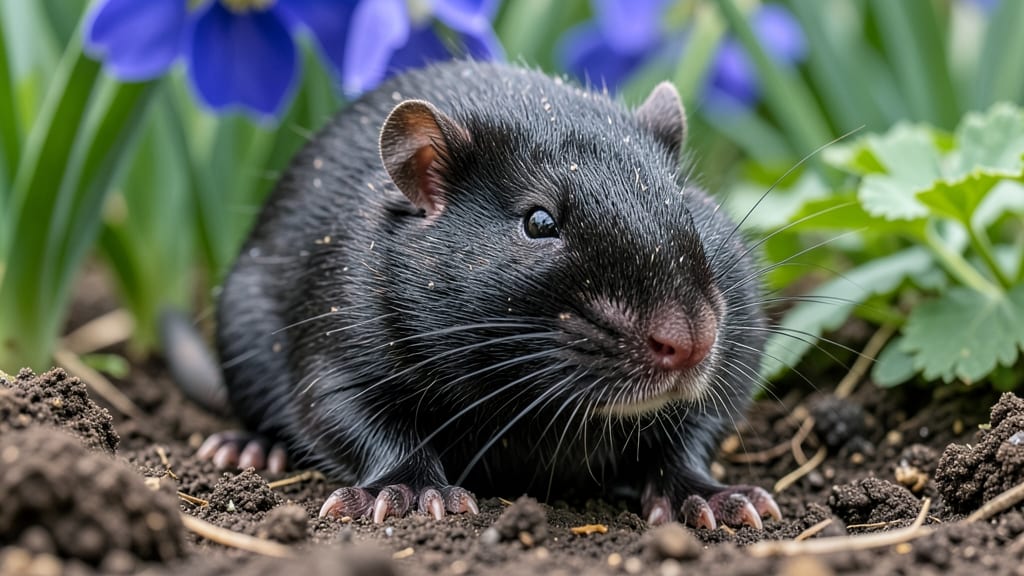
How to get rid of moles in your garden naturally—without toxic chemicals—started with a simple, boiling-water trick that saved my tomatoes last spring. 🌱 The good news? A boiling water barrier can smother their tunnels faster and safer than poisons, protecting your plants (and your sanity). Most people reach for harsh chemicals first, but I’ve found that boiling water works instantly and without harm. Pour it directly into active tunnels, and the heat collapses them on the spot. No fumes, no risk to pets or pollinators—just a clean, organic fix. You’ll see results within 24 hours: fewer mounds, fewer destroyed roots, and a garden that stays thriving. The method is cheap, reusable, and even effective against stubborn mole colonies. Works for organic gardens, vegetable plots, and lawns—no matter how severe the infestation. Let’s seal those tunnels for good.
Root Causes of Mole Invasion
Moles don’t just appear in your garden out of nowhere—they’re drawn by specific conditions that make your yard an irresistible buffet. Understanding these triggers is the first step to outsmarting them naturally.
Below, we break down the real reasons moles dig into your soil, tunnel through your lawn, and wreak havoc on your plants.
---
Moles are insectivores, meaning their diet consists almost entirely of grubs, worms, and other soil-dwelling pests. If your lawn is teeming with these critters, moles will see it as a five-star restaurant—and they’ll move in permanently.
- Grub infestations (from Japanese beetles, June bugs, or chafer beetles) are a mole’s favorite snack. A single mole can eat up to 70% of its body weight daily—mostly grubs.
If your lawn has soft spots, irregular mounds, or wilting grass, it’s likely grub central, and moles will follow. - Wet or poorly drained soil creates the perfect breeding ground for grubs and worms.
Moles thrive in moist, loose soil because it’s easier to dig—and because their prey thrives there too. - Overwatering or thick thatch layers (dead grass buildup) trap moisture, attracting grubs and, by extension, moles.
💡 Pro Tip: If you’ve noticed skunks or raccoons digging in your yard too, that’s a red flag—they’re after the same grubs that moles love. Fix the grub problem first!
---
Moles aren’t just after food—they need shelter, moisture, and undisturbed soil to build their tunnels. If your garden checks these boxes, you’ve essentially built them a luxury underground condo.
- Loose, aerated soil (like freshly tilled garden beds or compost-rich areas) is easy digging for moles. They avoid compacted or rocky soil because it’s too much work. - Shady, damp areas (under shrubs, mulch piles, or dense plantings) retain moisture, making them ideal mole real estate.
Moles pant heavily and need cool, humid environments to stay comfortable. - Undisturbed ground (like flower beds, vegetable patches, or areas you rarely walk on) gives moles peace and quiet. They avoid high-traffic areas because humans and pets can crush their tunnels.
🌡️ Warning Sign: If you see raised ridges or volcano-like mounds in your garden, moles have already claimed it as their territory. The sooner you act, the less damage they’ll do!
---
Moles don’t respect property lines—they roam freely in search of food and shelter. If your neighbor’s yard is a mole hotspot, yours will be next.
- Lack of barriers (like fences or deep trenches) allows moles to migrate effortlessly between properties.
A single mole can travel up to 15 feet underground in a night. - Shared grubs or moisture issues mean moles will spill over into your garden once your neighbor’s food source runs dry. - Seasonal shifts (like spring or fall, when grubs are most active) cause mole population surges.
If your neighbor had a mole problem last year, brace for a repeat.
✨ Neighborhood Strategy: Talk to nearby gardeners! If moles are a regional issue, you’ll need a community effort (like natural repellents or habitat changes) to keep them away.
--- Ironically, some well-intentioned pest control methods can attract moles by creating the perfect conditions for their prey.
- Overusing chemical pesticides (like broad-spectrum insecticides) can kill off mole predators (like birds, toads, and snakes), leaving grubs unchecked—and moles move in to feast. - Excessive fertilizer use (especially nitrogen-heavy fertilizers) boosts grub populations exponentially.
More food = more moles. - Poor lawn maintenance (like irregular mowing or thatch buildup) creates grub paradise, which moles can’t resist.
🎯 Fix It: Switch to organic, targeted pest control (like nematodes or milky spore bacteria) to reduce grubs without inviting moles.
--- Moles are highly sensitive to weather changes, and certain conditions make your garden irresistible to them.
- Warm, rainy springs trigger grub hatching, leading to a mole feeding frenzy.
If your area gets sudden downpours, expect mole activity to spike. - Mild winters (or early thaws) mean grubs survive longer, giving moles a year-round food source. - Drought followed by heavy rain creates grub superhighways in your soil—moles will dig like crazy to exploit this temporary buffet.
🔥 Seasonal Alert: April to June and September to October are peak mole months—be extra vigilant during these periods!
--- Sometimes, our own gardening habits create mole-friendly conditions without us realizing it.
- Overwatering (especially with sprinklers) softens soil and attracts grubs, which moles love. - Planting mole magnets (like hostas, irises, or daylilies) can draw grubs that then attract moles. - Leaving compost piles or mulch too thick creates moist, grub-rich zones—a mole’s dream. - Using slug baits or other pesticides can disrupt the ecosystem, leading to grub explosions and, consequently, moles.
👨🍳 **Garden
Natural Ways to Banish Garden Moles
Moles are relentless diggers, and their tunnels can wreak havoc on your garden’s roots, lawn, and even underground pipes. But before reaching for harsh chemicals, try these effective, eco-friendly solutions tailored to the root causes of their presence.
Below, we break down the most common reasons moles invade your yard—and how to outsmart them naturally.
---
Moles create tunnels for food (earthworms, grubs) and shelter. To discourage them, disrupt their habitat without harming them or the environment.
#### 🍳 Boiling Water Barrier (The Humane Smothering Method) This is the star of natural mole control—no poisons, just physics! Moles avoid steam and hot water, and this method collapses tunnels while keeping them alive (so they leave).
1. Locate active tunnels by stepping on the soil—fresh tunnels will give slightly. 2. Mark the path with flags or spray paint. 3. Heat up 2–3 gallons of water (almost to boiling, but not boiling—safety first!).
4. Pour slowly along the tunnel’s length (about 1–2 inches deep). 5. Repeat every 3–4 days until the mole moves on (usually 1–2 weeks).
✨ Pro Tip: Do this in early morning or late evening when moles are most active. Avoid pouring on plants or grass—direct the water into the tunnel openings.
---
Moles feast on grubs, worms, and insects—so reduce their buffet to starve them out.
#### 🥘 Reduce Grub Populations (The Long-Term Fix) 1. Aerate your lawn in spring/fall to expose grubs to predators (birds, toads). 2. Apply milky spore powder (a natural bacteria that targets Japanese beetle grubs—moles’ #1 snack).
3. Plant mole-resistant ground covers like clover, fescue, or ryegrass (they’re less attractive to grubs).
💡 Pro Tip: Overwatering creates a grub paradise. Water deeply but 2–3 times per week (not daily) to keep soil conditions less inviting.
#### 🔪 Use Castor Oil Spray (Non-Toxic Deterrent) Moles hate the taste and smell of castor oil. Mix: - 2 tbsp castor oil - 1 tsp dish soap (as an emulsifier) - 1 gallon of water
Spray along tunnel edges and molehills every 5–7 days. Reapply after rain.
---
Moles dig 2–3 feet deep, so shallow barriers won’t work. Try these deep-digging solutions:
| Barrier Type | How to Install | Effectiveness | |-------------------------|--------------------------------------------|-------------------| | Hardware Cloth (1/4" mesh) | Bury 2–3 feet deep in a U-shape around garden beds.
Extend 12" above ground to stop surface digging. | ⭐⭐⭐⭐⭐ (Best for high-value areas) | | Galvanized Metal Pipe | Drive 3-foot sections vertically into tunnels (moles will avoid the noise/vibration). | ⭐⭐⭐⭐ (Good for tunnels) | | Sharp Gravel or Lava Rock | Fill tunnels with coarse gravel (moles dislike the texture).
Cover with soil. | ⭐⭐⭐ (Temporary but works for small areas) |
🌡️ Pro Tip: Vibrations deter moles—place a wind chime or solar-powered stake near molehills to create noise.
---
Once moles leave, keep them from returning with these low-maintenance strategies:
- Keep grass short (moles prefer long, shady lawns). - Encourage natural predators: Install a birdhouse (robins and blue jays eat moles) or a toad abode (they snack on grubs). - Plant mole-repelling herbs like daffodils, marigolds, or alliums around garden edges. - Avoid over-fertilizing (rich soil = more grubs = more moles).
--- Final Note: Patience is key—moles may take 1–4 weeks to fully relocate. Combine boiling water + food removal + barriers for the fastest results. Once they’re gone, prevention keeps them away for good! 🚫🐭
Frequently asked questions
Will boiling water harm my plants if I pour it near the surface?
Not if you're careful! Always pour the water directly into the tunnel openings—never on top of plants or grass. The heat targets the tunnels where moles are active, so aim for the 1-2 inch deep tunnel paths. If you accidentally spill some, dilute it immediately with water to protect nearby vegetation.
How long does it take for castor oil spray to work?
You'll typically see results within 7-10 days of consistent application. The key is persistence—spray along tunnel edges and molehills every 5-7 days, especially after rain. Moles dislike the taste and smell, but they need repeated exposure to fully vacate the area. Combine it with other methods for faster results.
Can I use hardware cloth to protect my vegetable garden?
Hardware cloth is one of the most effective barriers for vegetable gardens. Bury it 2-3 feet deep in a U-shape around your garden beds, extending 12 inches above ground3-foot galvanized pipes vertically into them as an alternative.
Why do moles keep coming back after I've tried everything?
Persistent moles often mean you're still providing their food source—grubs and worms. Focus on reducing grub populations with milky spore powder or aerating your lawn. Also check for moisture issues (like overwatering) that attract their prey. If your neighbor has mole problems, they may be migrating from their yard—coordinate efforts for better results.
Is it safe to use these methods around pets and children?
Yes! All the methods mentioned are completely safe for pets and children. The boiling water method is the most effective when done properly (pouring directly into tunnels), and castor oil spray is non-toxic. Hardware cloth and gravel barriers pose no risks either. Just avoid using chemical pesticides, which can be harmful to both people and animals.