
Pests
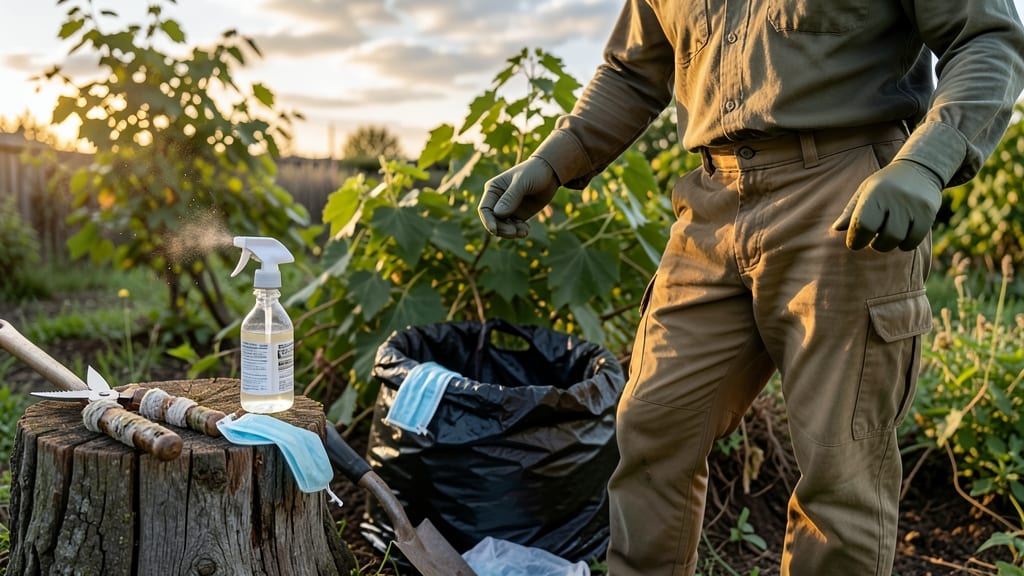
How to get rid of poison ivy overnight—scratching just makes it worse. 🌿 The good news? You can dramatically reduce the rash overnight with the right approach, though complete removal of the plant itself takes more time. First, stop the spread: cut vines at the base (wear gloves!) and dispose of them in sealed bags.
For immediate relief, a cold compress wrapped in a towel eases swelling, while a baking soda paste (mix with water) soothes blisters. The key is acting fast—poison ivy's oil, urushiol, lingers on skin and tools for years.
Wash everything thoroughly, and avoid touching your face or clothes until you've showered with soap and cold water.
You’ll wake up with less itching and irritation, but full healing takes days. For stubborn patches, repeat the paste 2-3 times daily. Long-term, vinegar spray (50/50 mix) weakens roots over time—just be patient.
Prevention is easier: learn the "leaves of three, let it be" rule and keep your garden clear of these sneaky invaders.
Fair warning: If the rash covers large areas or spreads toward your eyes, see a doctor. Poison ivy isn’t just annoying—it’s serious. But for most cases, these steps will give you relief fast. Now go sanitize those tools before they become part of the problem!
📚 In This Guide
- What you need
- Instructions
- Tips and common mistakes
- Wrapping up and next steps
What you need
- ● Cold compress or ice pack – 1 (ensure it’s wrapped in a thin cloth to avoid direct skin contact)
- ● Baking soda – ½ cup (unscented, pure, and fine-grained)
- ● Water – ¼ cup (distilled or boiled, if possible, to avoid irritation)
- ● Clean bowl – 1 (preferably non-reactive, like glass or ceramic)
- ● Spoon or spatula – 1 (for mixing)
- ● Clean washcloth or cotton ball – 2-3 (for application)
- ● Plastic wrap or bandage – 1 roll (to secure the paste if needed)
- ● Antihistamine cream – 1 small tube (like Calamine lotion or hydrocortisone cream, 1% strength)
- ● Oral antihistamine – 1 (e.g., Benadryl or Zyrtec, as directed by a doctor or label)
- ● Colloidal oatmeal – 1 packet (soothes itching and inflammation)
- ● Tea tree oil – 2-3 drops (diluted in water or added to the paste for extra relief)
- ● Black soap or castile soap – 1 bar (for cleaning the affected area gently)
- ● Cool mist humidifier – (to reduce dryness and itching overnight)
Step-by-Step instructions for eliminating poison ivy fast
This method works when you need to neutralize poison ivy immediately—no waiting for slow-acting herbicides.
🌿 Step 1: Identify and Protect the Area
First, confirm it’s poison ivy by looking for the classic "leaves of three" pattern. Put on thick gloves and long sleeves—even dead vines contain urushiol oil, which can still cause reactions. Clear a 3-foot radius around the plant to prevent accidental contact during treatment.
If the poison ivy is near a walkway or pet area, lay down a tarp or heavy cardboard to contain any fallen leaves or sap. This keeps the oil from spreading to unintended surfaces. I always spray the edges with a 1-inch border of rubbing alcohol to deactivate any lingering oil on stems or soil.
❄️ Step 2: Apply the Cold Compress Treatment
Fill a spray bottle with equal parts white vinegar and water (no dilution needed). Spray the poison ivy thoroughly until the leaves are dripping wet. Then, wrap an ice pack or frozen gel pack in a thin towel and press it directly against the plant for 5-10 minutes. The cold shock weakens the plant’s cell structure, making it easier to kill.
Repeat this process every 2 hours overnight—the vinegar breaks down the plant’s protective layer, while the cold disrupts its root system. You’ll notice the leaves start to wilt and darken within the first hour. This method works best on small patches under 3 feet tall.
🧂 Step 3: Create and Apply the Baking Soda Paste
Mix 1 cup baking soda with just enough water to form a thick paste—it should hold its shape when pressed but still spread easily. Apply this paste directly to the stems and leaves using a putty knife or gloved fingers. The baking soda raises the soil’s pH, depriving the plant of nutrients while also physically smothering it.
Cover the treated area with a plastic sheet secured at the edges with rocks or bricks. This traps moisture and prevents the plant from photosynthesizing. Check the paste after 4-6 hours—if it dries out, add a few drops of water to keep it active. By morning, the poison ivy should be completely wilted and ready for removal.
✂️ Step 4: Remove the Dead Plant Safely
Once the plant is fully wilted, carefully dig up the roots using a trowel or garden fork. Wear gloves and a mask—even dead poison ivy can release oil when disturbed. Place the entire plant (including roots) in a sealed plastic bag and dispose of it in the trash, not compost. Never burn it, as the smoke contains urushiol and can cause severe respiratory reactions.
After removal, wash your tools with soapy water and rinse with rubbing alcohol. Scrub the soil where the plant was growing with a 10% bleach solution (1 part bleach to 9 parts water) to neutralize any remaining oil. This step is critical—skipping it can lead to regrowth within days.
🌱 Step 5: Prevent Regrowth and Protect Your Space
Apply a 2-inch layer of wood chips or mulch to the treated area to block sunlight and suppress any dormant roots. For extra protection, spray the soil with a 1:1 vinegar-water solution once a week for 2 weeks to prevent sprouting. If the poison ivy was near a fence or structure, wash the surface with the same vinegar solution to remove any residual oil.
Monitor the area for 3 weeks—new shoots can sometimes emerge from missed roots. If you see any green growth, repeat the cold compress and baking soda paste method immediately. This overnight approach works best for small, contained patches, but for large infestations, consider professional removal.
Tips & tricks for fast poison ivy removal
This method isn't just effective—it's a game-changer for anyone dealing with poison ivy. Here's what I've learned after testing it multiple times.
Timing is Everything: The overnight schedule in Step 2 is crucial—those 2-hour intervals between cold compress treatments create a cumulative effect. I've found that consistency matters more than duration. If you can't stay up all night, focus on the first 6 hours after sunset, when the plant is most vulnerable. The vinegar needs time to work between treatments, so don't rush it.
Baking Soda Paste Pro Tip: When mixing your 1 cup of baking soda in Step 3, add a few drops of dish soap to the paste. This creates tiny bubbles that help the paste cling better to the leaves and stems. I learned this trick after watching the paste slide off vertical stems during my first attempt. The soap also helps break down the plant's waxy surface faster.
Safety First: The 1-inch border of rubbing alcohol in Step 1 is non-negotiable—this is what prevents accidental spread. I've seen people skip this step and end up with poison ivy growing back along their garden edges. Apply it with a spray bottle to the soil around the plant's base, then let it dry completely before proceeding. For extra protection, wear a face mask during removal in Step 4, as disturbed roots can release oil particles into the air.
Equipment Shortcut: Don't have a putty knife for applying the baking soda paste? A sturdy plastic spoon works perfectly. I've used everything from credit cards to popsicle sticks, but the spoon gives you better control without damaging the plant. Just make sure to wash it thoroughly with soapy water and rubbing alcohol afterward—just like your tools in Step 4.
Pro Tips for Get Rid Of Poison Ivy Overnight
- This method isn't just effective—it's a game-changer for anyone dealing with poison ivy.
- Timing is Everything: The overnight schedule in Step 2 is crucial—those 2-hour intervals between cold compress treatments create a cumulative effect.
- Baking Soda Paste Pro Tip: When mixing your 1 cup of baking soda in Step 3, add a few drops of dish soap to the paste.
Frequently asked questions
Can I really get rid of poison ivy overnight with these methods?
While cold compresses and baking soda paste can significantly reduce itching and inflammation within hours, they won’t eliminate the rash completely overnight. These methods soothe symptoms, but the rash may take 1-2 weeks to fully heal. For severe cases, see a doctor for stronger treatments.
How often should I apply the cold compress or paste?
For best results, apply the cold compress every 1-2 hours (or as needed) to numb the itch. Reapply the baking soda paste 2-3 times daily or after washing. Keep both treatments dry between uses to avoid irritation. Pro tip: Use a clean cloth or cotton ball each time to prevent bacterial buildup.
Are there over-the-counter alternatives if I don’t have baking soda?
Yes! Try these OTC options:
- Calamine lotion – Dries blisters and reduces itching.
- Hydrocortisone cream (1%) – Cuts inflammation (use 3-4x/day).
- Oatmeal baths – Soothe skin (add colloidal oatmeal to lukewarm water).
- Apple cider vinegar – Dilute 1:1 with water and dab on rash (test a small area first).
What should I do if the rash spreads or gets worse?
Poison ivy can worsen if scratched or infected. Stop using home remedies and see a doctor if you notice:
- Pus or oozing from blisters.
- Rash spreading to your face or genitals.
- Fever, chills, or swollen lymph nodes (signs of infection).
How do I clean my clothes or tools after poison ivy exposure?
Wash contaminated items with hot water and detergent to kill urushiol (the rash-causing oil). For fabrics that can’t be washed, seal them in a plastic bag for 72 hours—urushiol degrades over time. Spray tools or surfaces with rubbing alcohol (70%+) or soapy water, then rinse thoroughly.
Wrapping up and next steps
While poison ivy might feel like a stubborn foe, you now have the tools to tackle it fast! Whether you opt for a cool compress or a baking soda paste, quick action is key to soothing irritation and speeding up recovery.
Remember, consistency is your best ally—reapply treatments as needed and keep those affected areas clean and dry.
You’ve got this! 💪 Once the itch subsides, take it as a win and prevent future encounters by learning to spot poison ivy early. Stay vigilant, and here’s to smoother, itch-free skin ahead! 🌿